Benedict & the New NPC Economy
I’ve finished the first major NPC built around the new economy and relationship systems: Benedict, the merchant from the capital.
He visits the village only from the 1st to the 7th of each month, and he absolutely hates coming here. The shard is poor, dangerous, no longer pays tribute, and Benedict’s real job is partly to watch whether the settlement is becoming prosperous enough for the Crown to care again.
Benedict has four main roles:
- Numismatist — buys rare cleaned coins, but only above 95% preservation.
- Royal Intermediary — brings the King’s Orders and Grants.
- Premium Reseller — sells expensive, high-quality capital goods that let players skip long crafting chains.
- Exporter — buys valuable local goods that can be resold in the capital.
His shop uses only Royal Coins. His goods are intentionally expensive, but usually powerful and high quality. Most are still fragile.
Trust & Reputation
NPC relationships now have two resources:
Trust is accumulated through helping an NPC.
Reputation represents major relationship milestones.
Both can also be spent on favors: discounts, better sale prices, information, reserved goods, private stock, special imports, and other exceptions.
Reputation is no longer gained automatically at 100 Trust. Reaching 100 Trust unlocks a personal task from that NPC.
Benedict’s first Reputation task is simple but very specific:
Give him a copper coin with exactly 100% preservation.
He does not buy it. It is a gift.
Future Reputation levels will require progressively harder personal requests tied to each NPC’s interests.
Learning NPCs through dialogue
The Journal now contains detailed NPC dossiers.
The important part: it only shows what the player has actually learned.
At first, you know almost nothing about Benedict. Through dialogue, trades, discoveries and higher Reputation, new information gets recorded:
- what goods interest him;
- exact coin requirements;
- his interest in gold, silver and gems;
- export opportunities;
- hidden services;
- royal information;
- available favors.
So dialogue is now part of the economy rather than just lore.
Export trading
Benedict sells each player one jar of milk per visit for 25 Royal Silver.
After drinking the milk, the jar remains. It can be filled with honey or one of five jams, labeled, and turned into an export product.
After unlocking Benedict’s Exporter role:
- Honey Jar base value: 30 Royal Silver
- Jam Jar base value: 35 Royal Silver
Final value scales through the existing rarity/quality system.
Royal Orders & Grants
These are two separate systems.
Royal Orders are the King’s ridiculous personal ideas.
The first one:
The Greatest Candle in the Kingdom
The King wants a gigantic candle.
Required: 10,000 kg of wax.
Future Orders will be handcrafted and get their own illustrations.
Royal Grants are practical large-scale purchases: fish, mushrooms, meat, plants, and other resource categories. Their value depends on the actual rarity, quality and properties of what players deliver.
Benedict can also sell capital rumors for Trust, giving hints about future demand without directly revealing next month’s requirements.
This entire system is designed as a template for other NPCs: each one will have their own interests, relationship progression, personal requests, economy, knowledge, favors and reasons to keep interacting with them long-term.
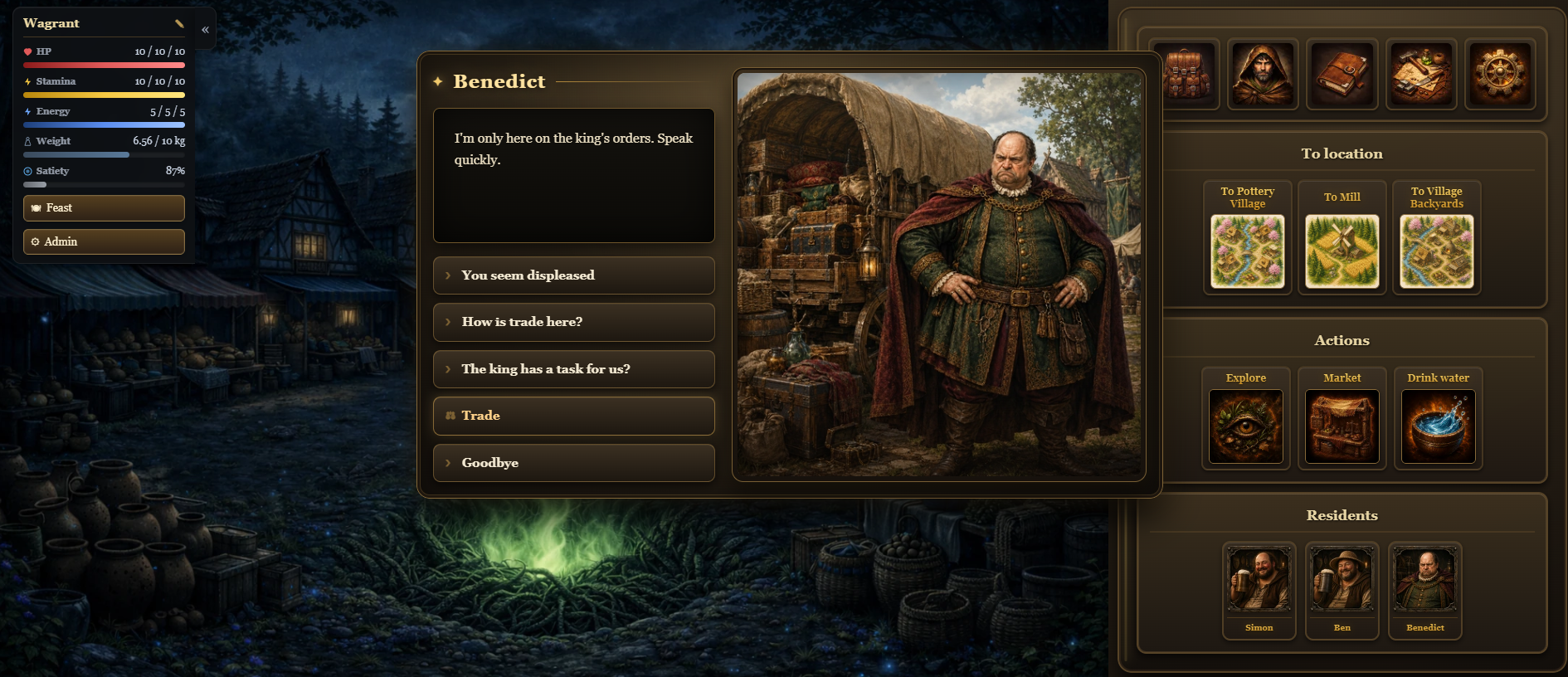
By the way, the season has changed (a new month has started) and the rare Eshamoor season has arrived, changing the usual approach to the game. Interesting, since the chance is about 5%. Of course, it is absolutely not done, not even started, but all locations have a different appearance.
See you in Runelight.
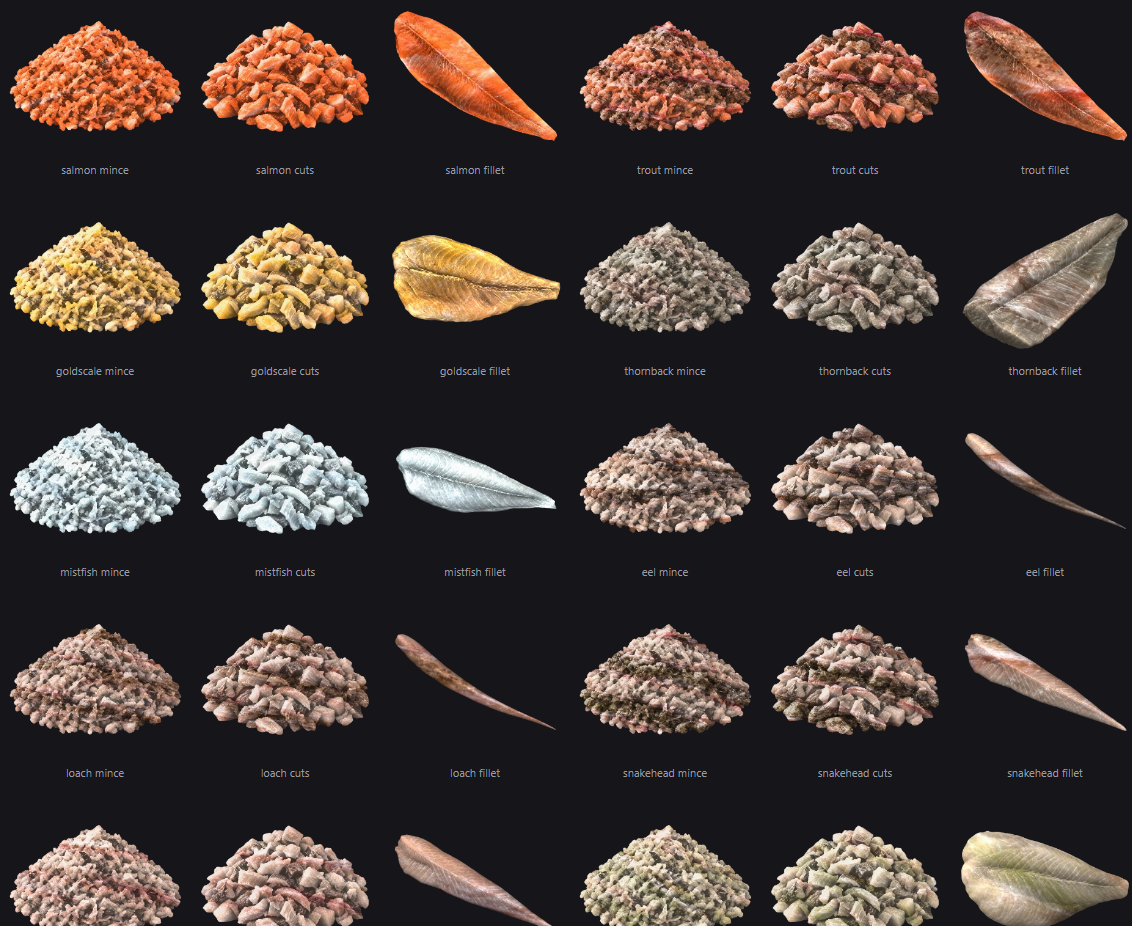
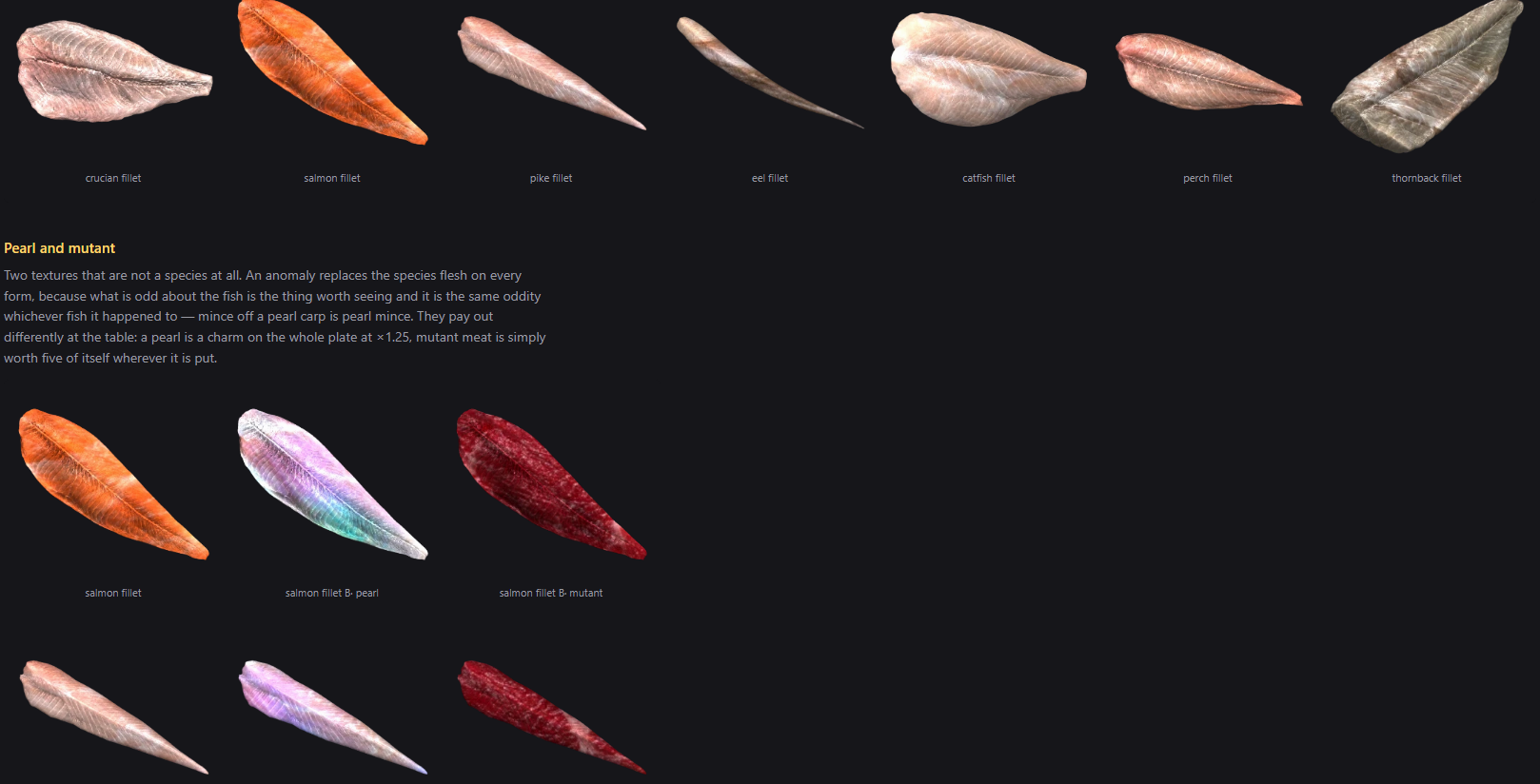
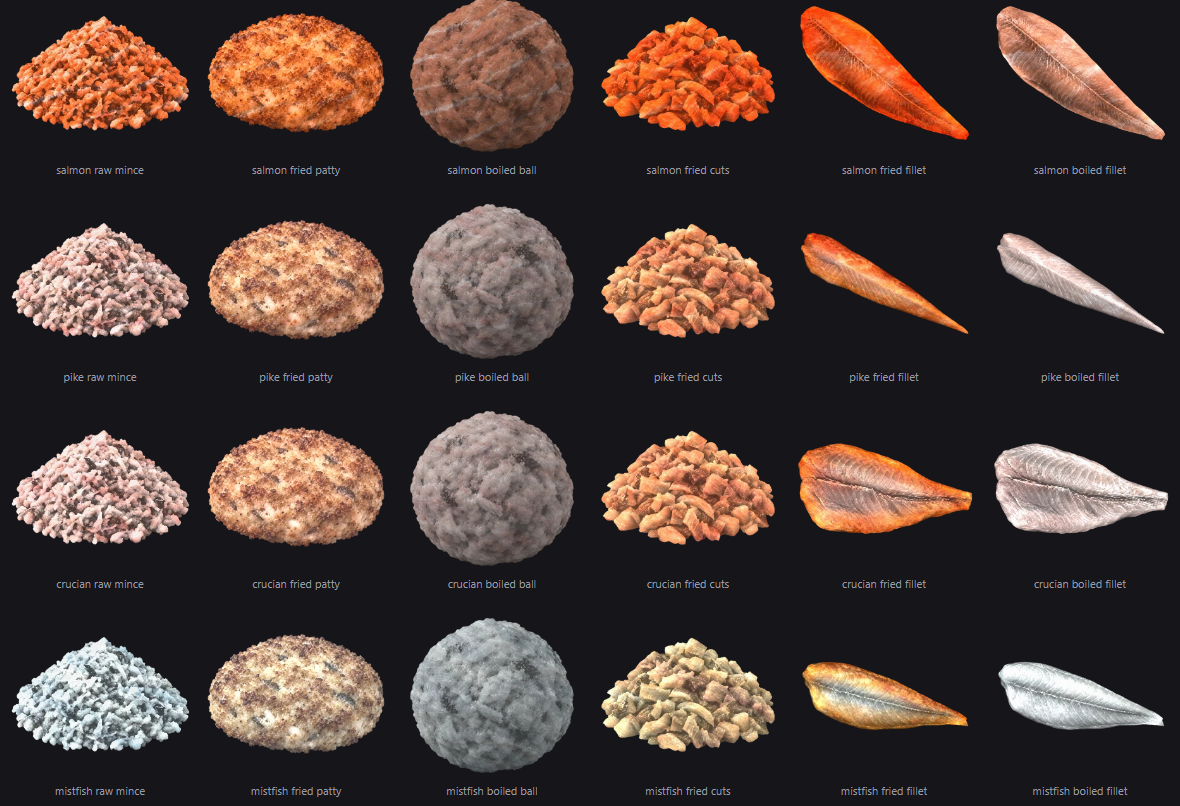
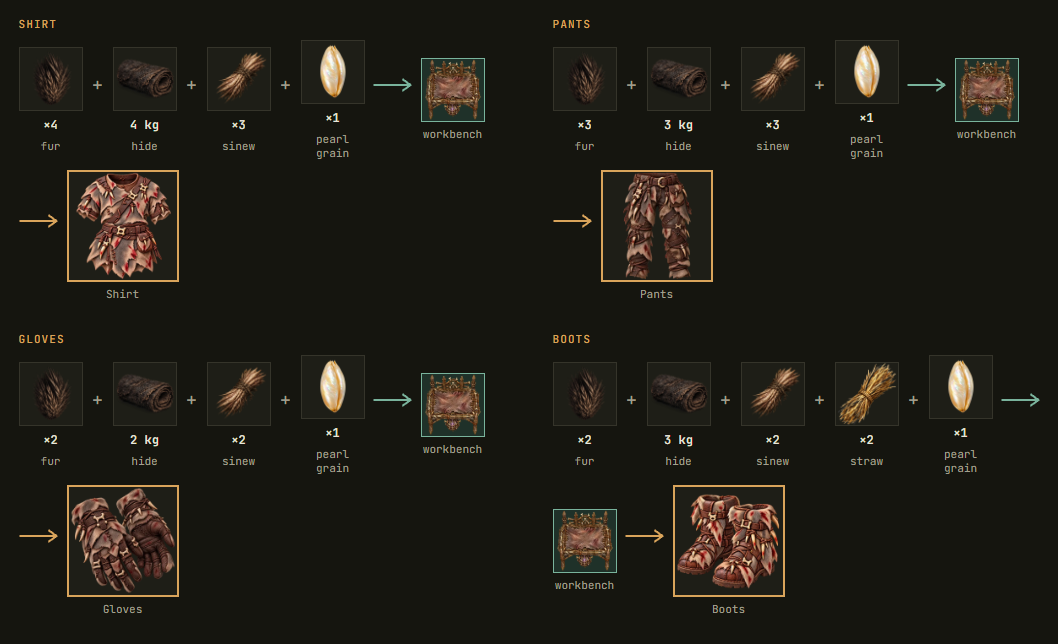
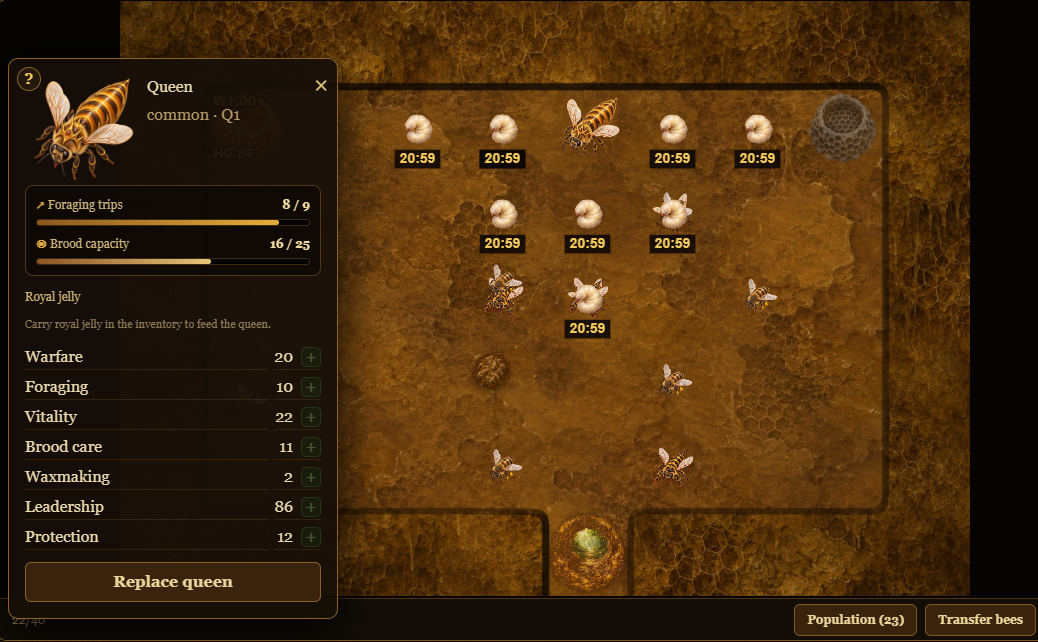
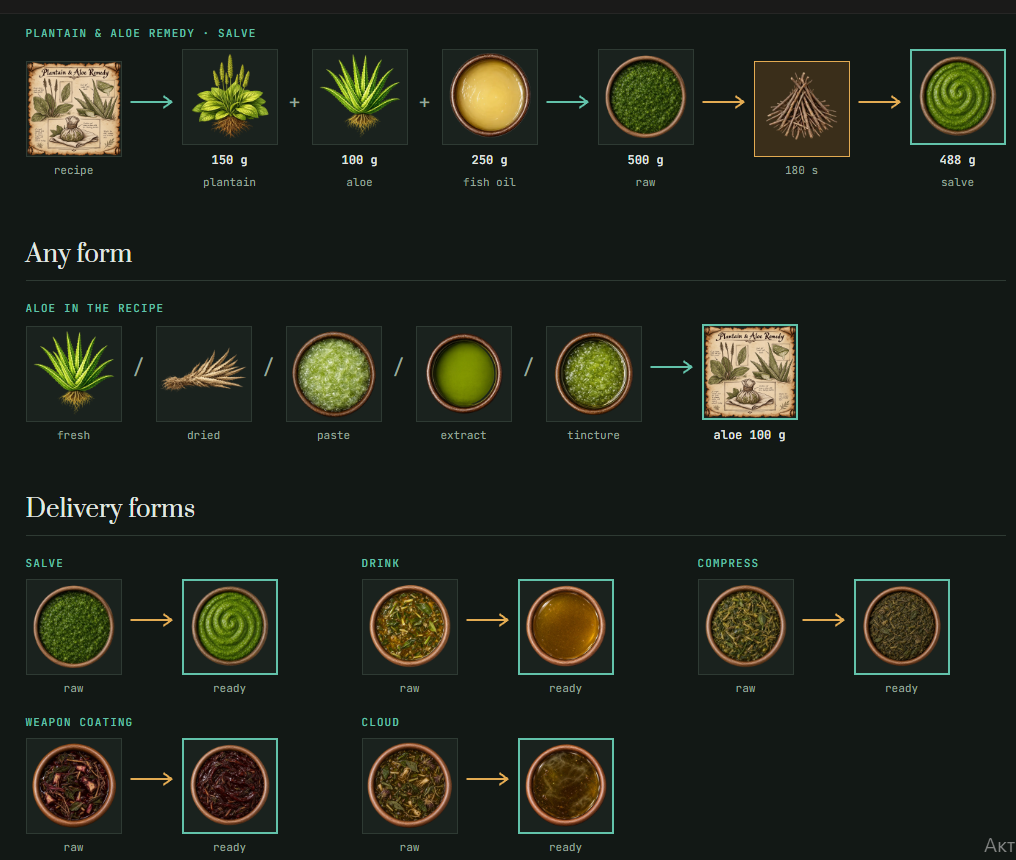
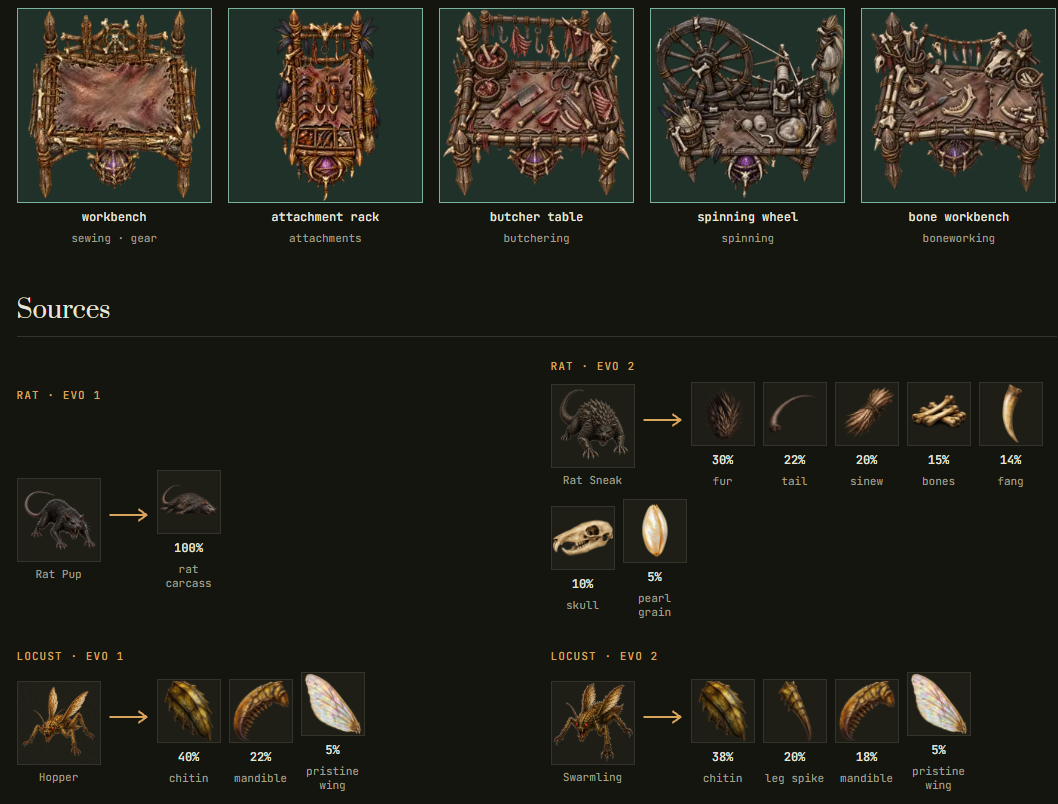 A lot of work has gone into the game lately: beekeeping is now fully implemented, the Scurren equipment set is complete, the new alchemy system is finished, and I’ve fixed hundreds of bugs along the way.