

Hey everyone! I want to share the story of how I made Morituri and where it all led. Maybe someone will get something out of it. (Though I’m pretty sure just about everyone has written about these mistakes by now. I think I managed to string them all together into one big combo.)
So what kind of game is it? Basically, it’s an arena autobattler with a pretty deep RPG system (or so I like to think), a team to manage, and AI opponents who play by exactly the same rules you do. I went with Godot because the other engines seemed too complicated and honestly a bit overkill for such a simple game.
Right, then. I’d made it through that brick of a Godot manual and watched dozens of videos on YouTube. Time to actually make something. The first prototype took me a few days.
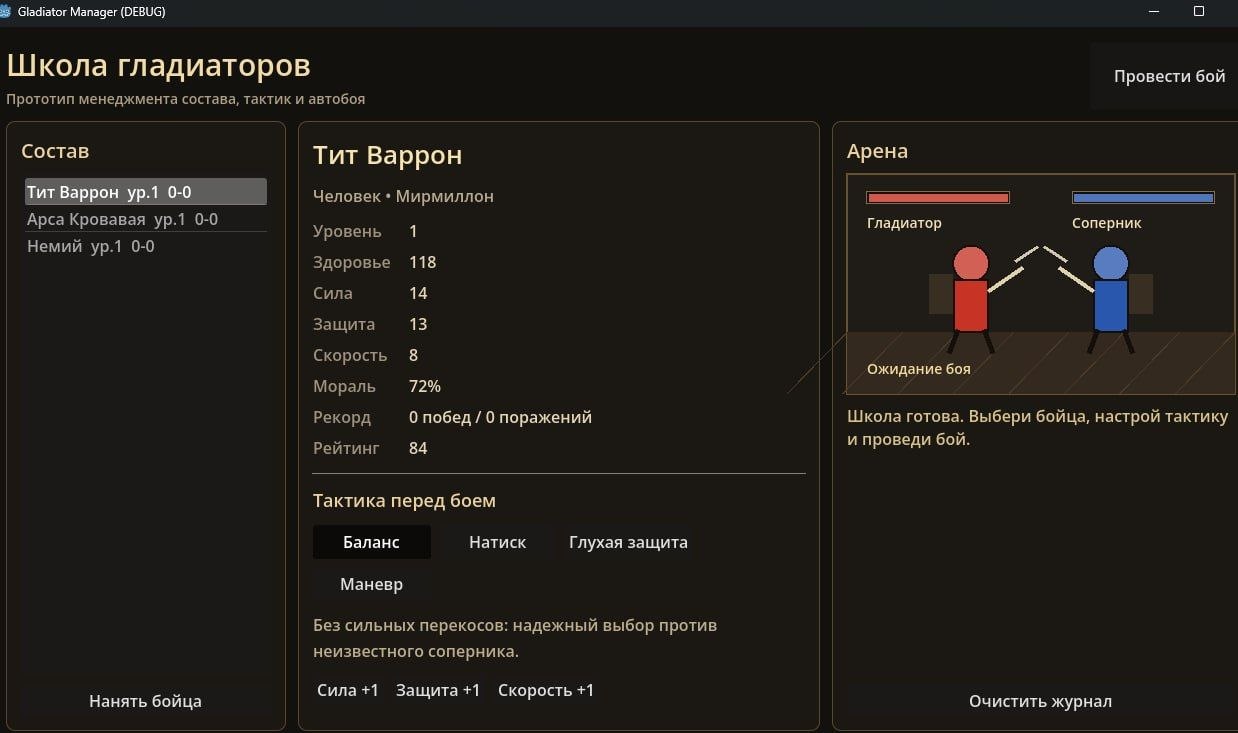
Of course, I wasn’t happy with the prototype as it was. I’d only thrown it together to test the combat system, so I kept going.
Oh, and I forgot to mention the art. I went for a RimWorld-style look because I can’t draw to save my life, and I figured drawing everything in that style would be easy enough. And if all else failed, I could always use AI to generate the assets.
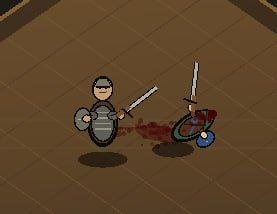
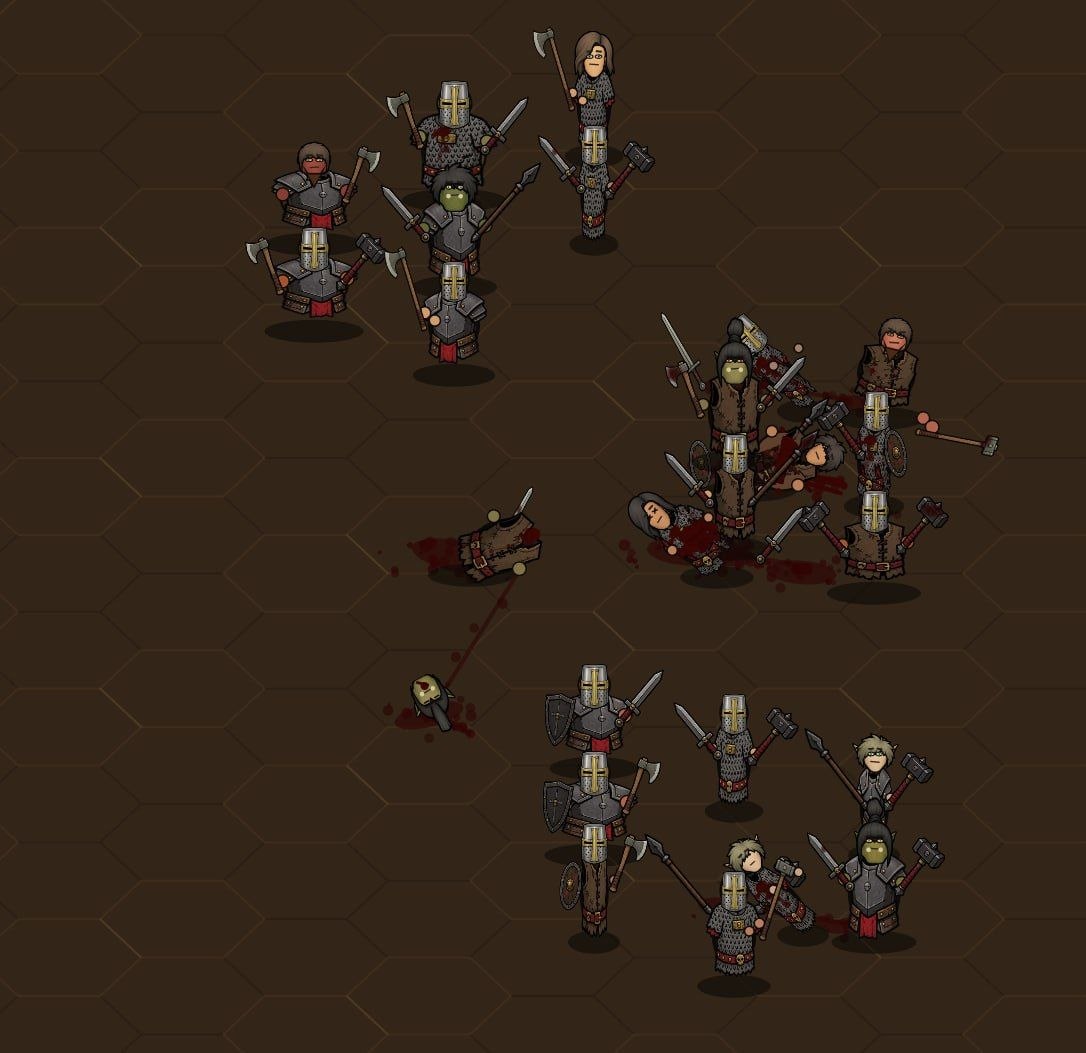
On top of that, I was starting to get frustrated with the performance I was getting out of Godot. Once I added pathfinding and the code that let AI teams pick their gear and manage their finances, turns started taking way too long. Processing a single turn for just nine AI teams took about five (!!!) minutes.
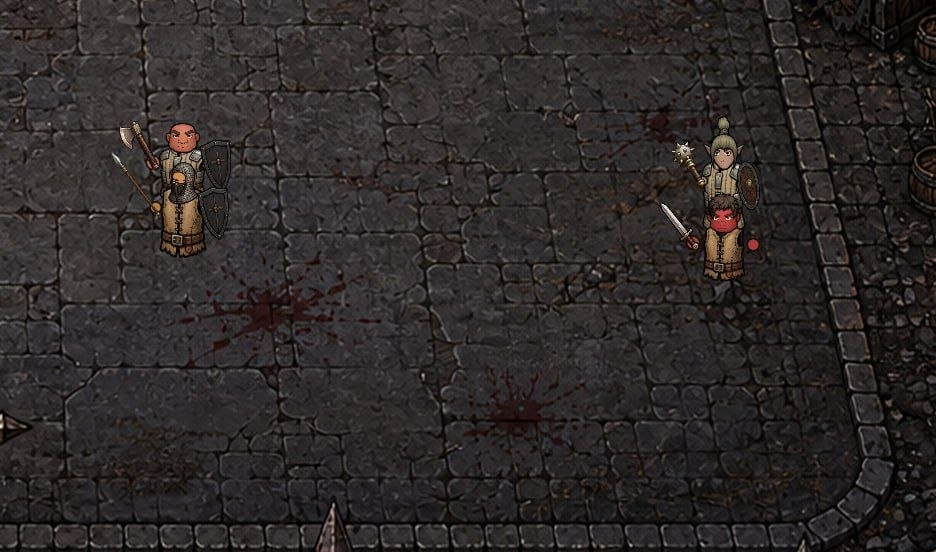
So what did I have to show for those first few months? The art looked awful (even by my pretty forgiving standards), and the game ran so slowly it was unplayable. At that point I thought, screw it, I’m starting over from scratch. Rust this time, with wgpu for the graphics. I still couldn’t draw, but I knew my way around 3D modeling well enough, so I decided to make the game in 3D.
Getting the game running on this new “engine,” if you could call it that, was a long, painful process. It looked daunting when I thought about the whole thing, but I kept chipping away at it. I made a rule for myself. One day I’d work on the graphics, the next on the simulation and gameplay. And when I say “a day,” I mean about 16 hours, seven days a week.
But I could see it paying off, especially in the simulation and AI. In Godot, a single turn for nine teams had taken five minutes. Now a turn for 49 (!!!) teams took just a few seconds. That gave me a lot of hope. The graphics were coming along too.
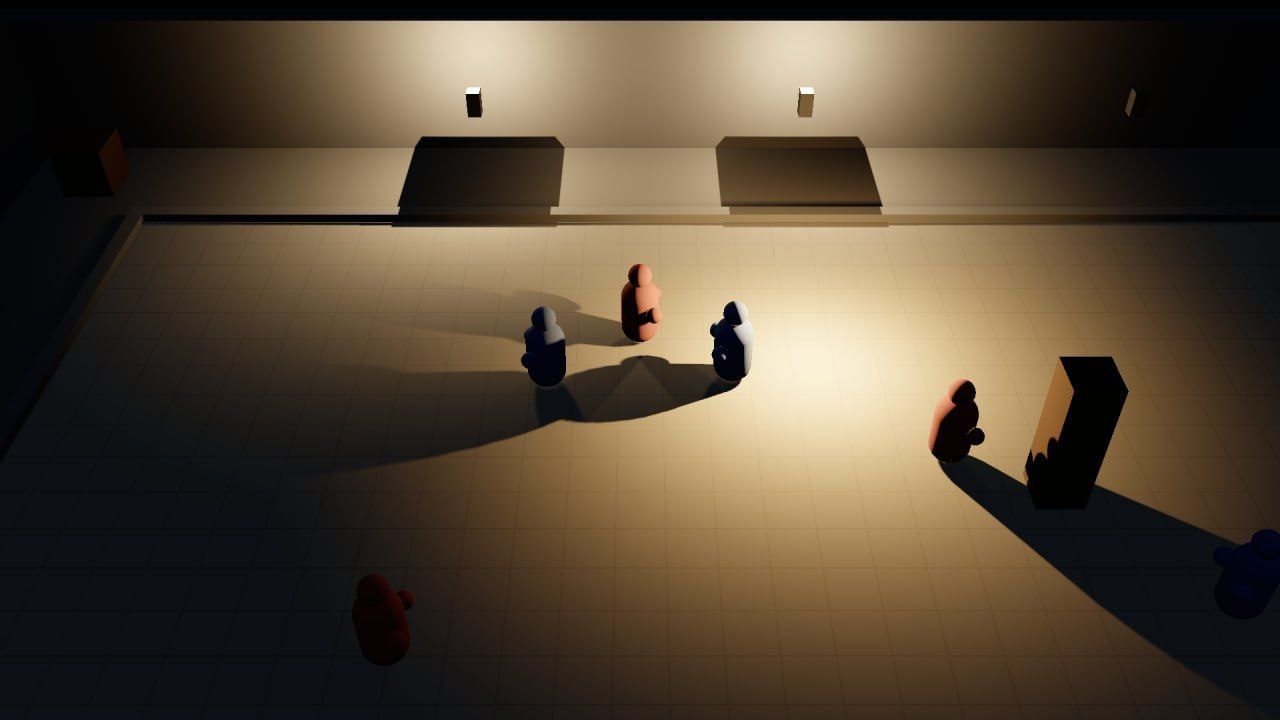
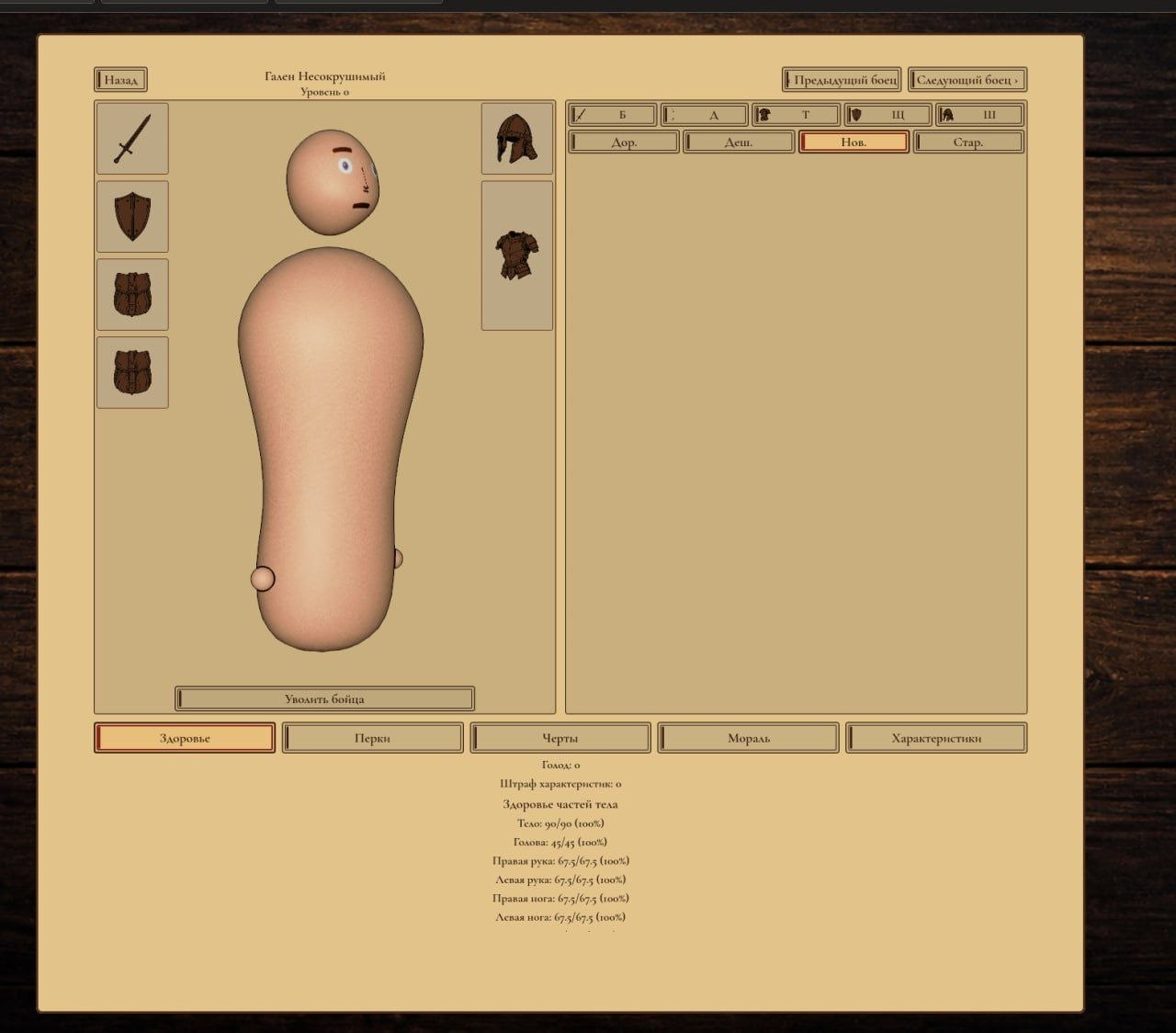
The simulation and AI were coming along great, but I’d hit a wall with the graphics. I wanted each gladiator to look a little different, but I didn’t have the time or resources to model a separate body and face for every single one. So I decided to write some code to generate their bodies and heads procedurally.
I came to regret that one.
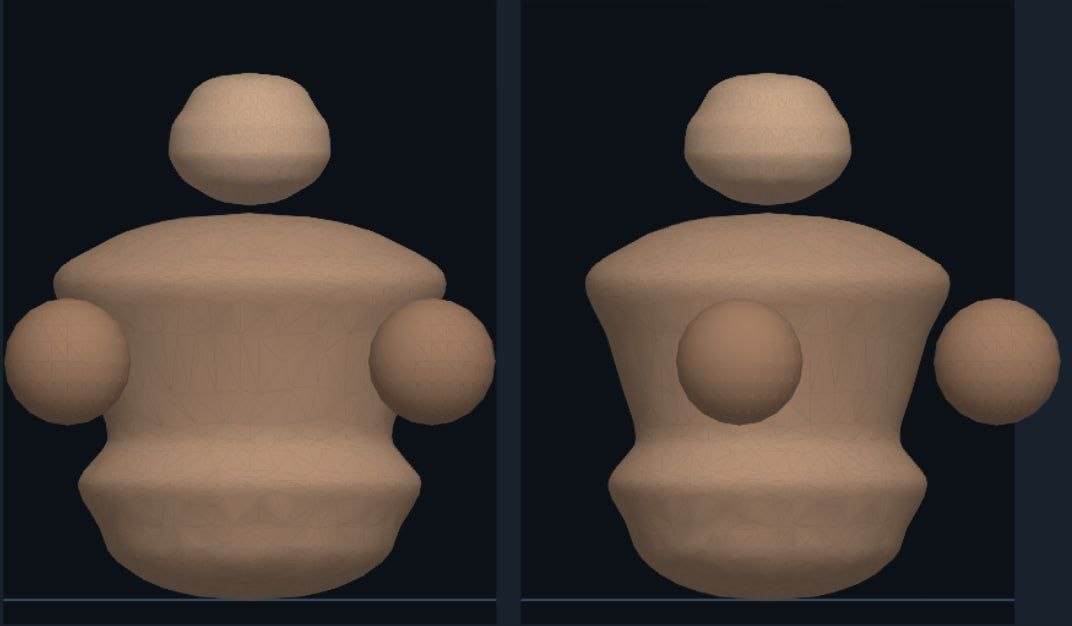
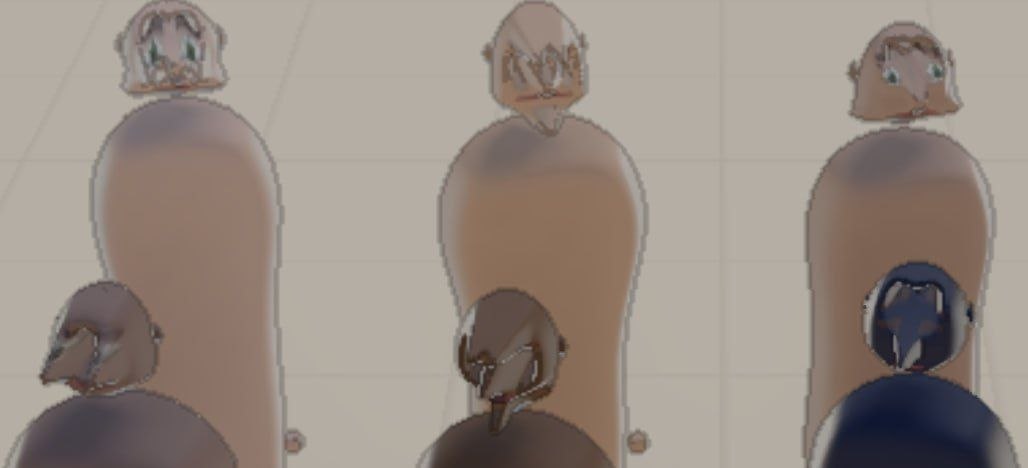
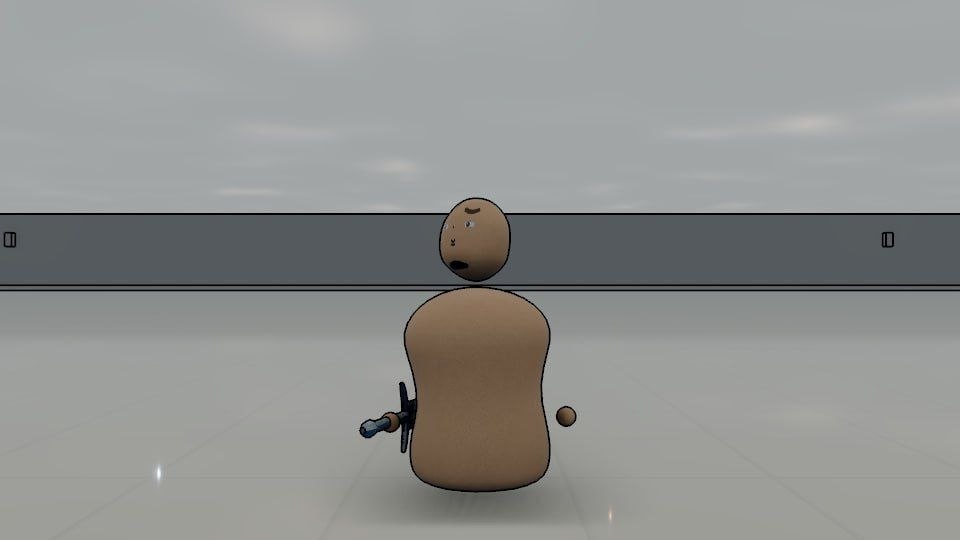
I sank several months into that generator and still couldn’t get the results I wanted. So I scrapped the whole thing and decided to make the models myself in Blender after all. Thank God the simulation and AI were coming along as well as they were. If those had gone sideways too, I’d have lost my mind.
Around that time, a friend of mine joined the project and took on the UI. Up to that point I’d barely given it any attention, and it was... awful.
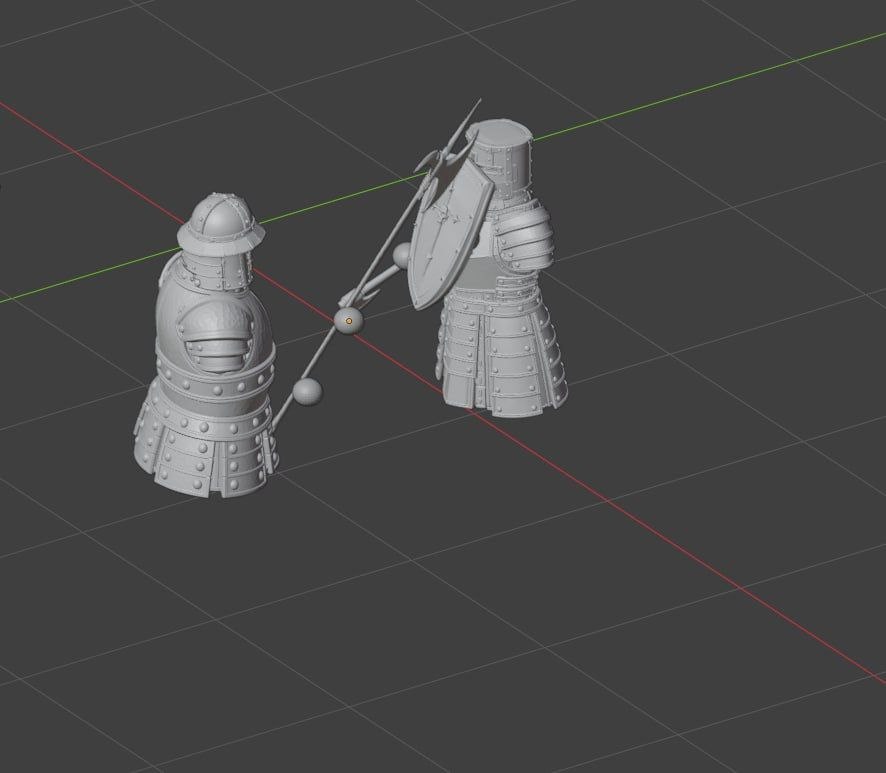
So I got to work in Blender. The 3D engine code was pretty much done by then, which meant I finally had time to make the models. Trouble was, making them was painfully slow. At the rate I was going, the models alone would take forever, and I still had animations, effects, textures... What a nightmare.
Then my friend pointed out the obvious. A 3D game was more than the two of us could handle. If we kept going like this, the game might never see the light of day. We thought it over for a bit and, yeah, back to 2D it was. So out went all the 3D engine code! Out went all the 3D assets!
Luckily, I’d kept the 3D code separate from the gameplay, simulation, and AI right from the start. That made switching back to Godot pretty quick and painless. The setup we ended up with is pretty simple. Godot handles all the graphics and UI, and the custom Rust core does the heavy lifting, from gameplay logic to simulation and AI.
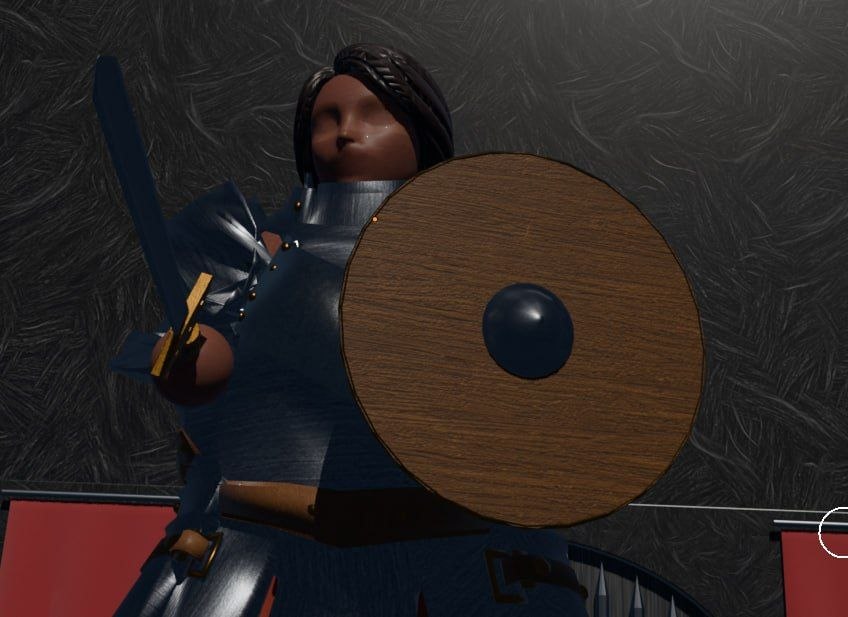
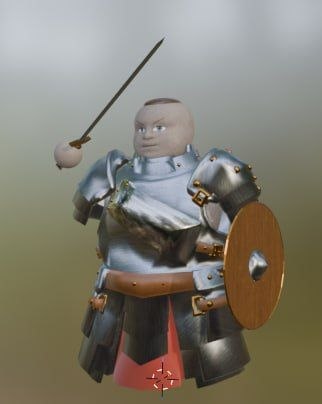
So there we were. The gameplay was more or less ready, most of the mechanics we’d planned for the demo were in place, and we had exactly zero art assets. We could fix that part, though. A few months later, we had a game you could actually play (more or less), and it finally looked the way we’d pictured it.
I did have to learn to draw a bit, of course. It helped that my friend was already pretty handy with 2D art. Neither of us is an artist, but I think what we’ve got now looks pretty decent.
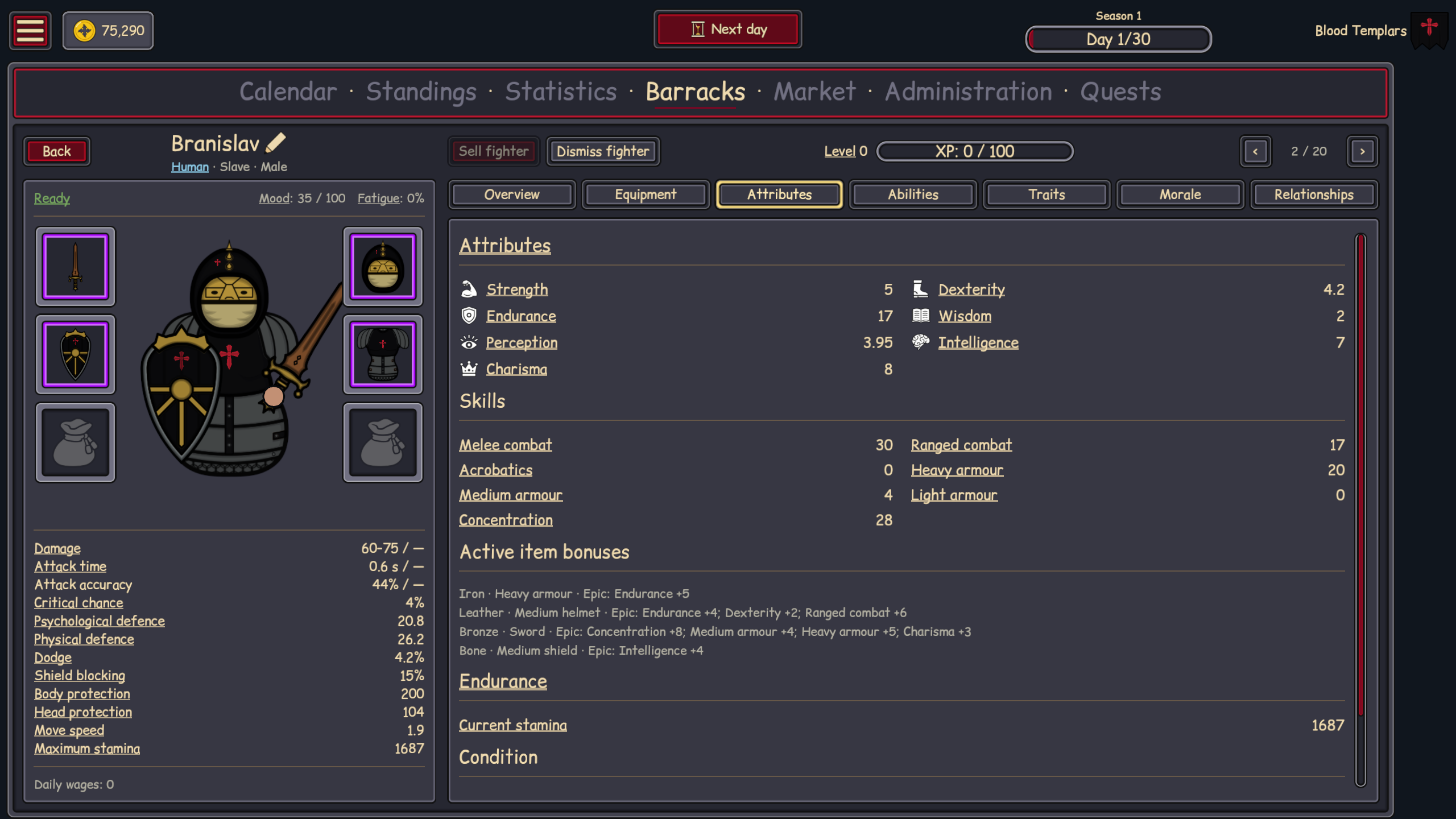
I’ll leave it there for now. I picked that art style because I thought I could get away without learning to draw. One 3D engine and a lot of very questionable gladiator faces later, I ended up learning anyway.
I’ll keep this thread going as a devlog. I’ve still got stories to tell from that first year, and I’ll also post about what we’re working on as Morituri takes shape.
Thanks for reading! If you give the game a go, I’d love to hear how your first fight goes.
You can give the latest build a try here: https://hornedxrem.itch.io/morituri