

Play game
Lullaby's itch.io pageResults
| Criteria | Rank | Score* | Raw Score |
| Visual World & Art Direction | #19 | 2.932 | 3.167 |
| Creative Use of DreamLayer | #21 | 2.777 | 3.000 |
| Overall | #30 | 2.392 | 2.583 |
| Gameplay & Fun | #37 | 2.006 | 2.167 |
| Originality | #42 | 1.852 | 2.000 |
Ranked from 6 ratings. Score is adjusted from raw score by the median number of ratings per game in the jam.
How did you use DreamLayer?
All of the painted art in Lullaby comes from DreamLayer: 100 generations, 79 of them used in the game.
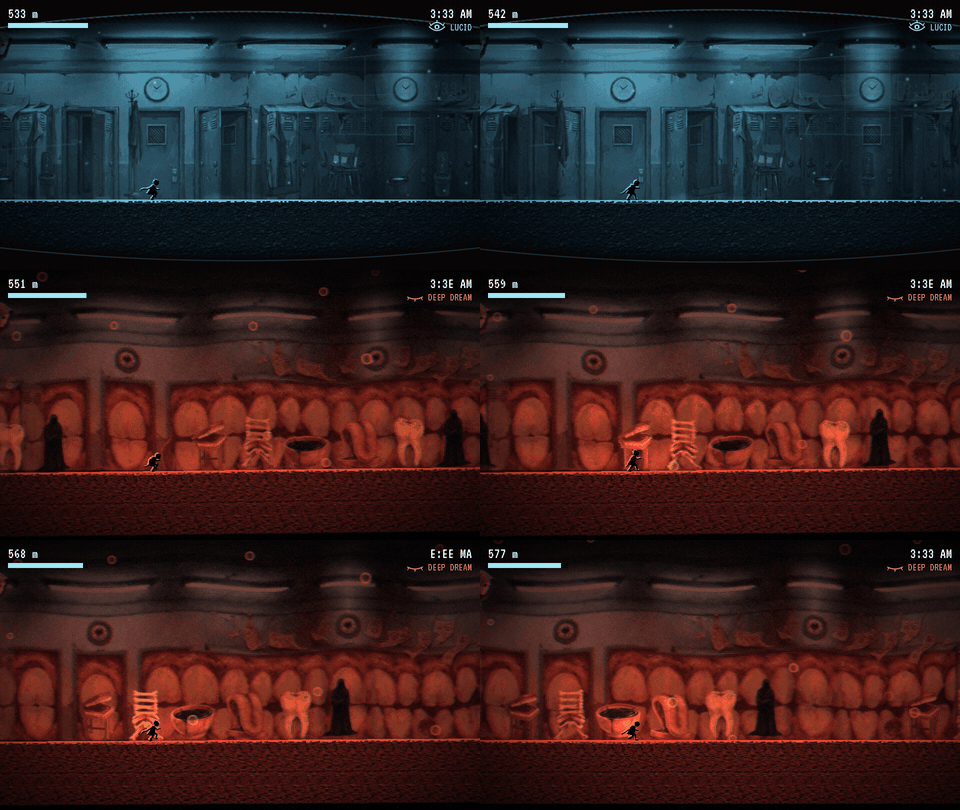
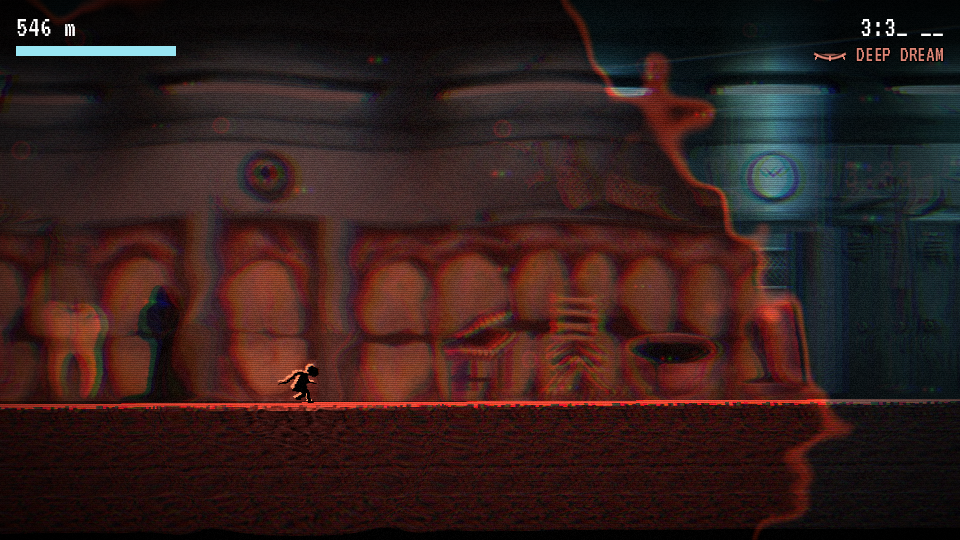
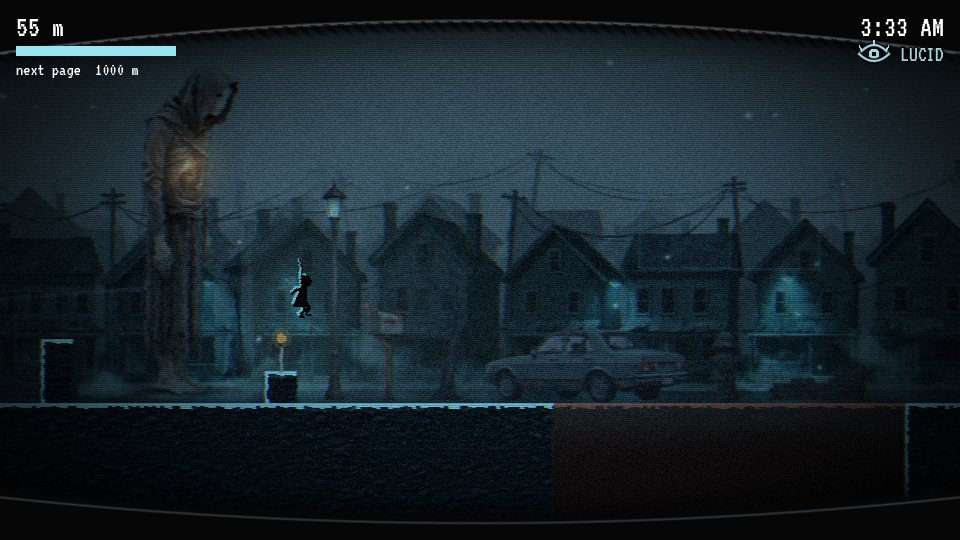
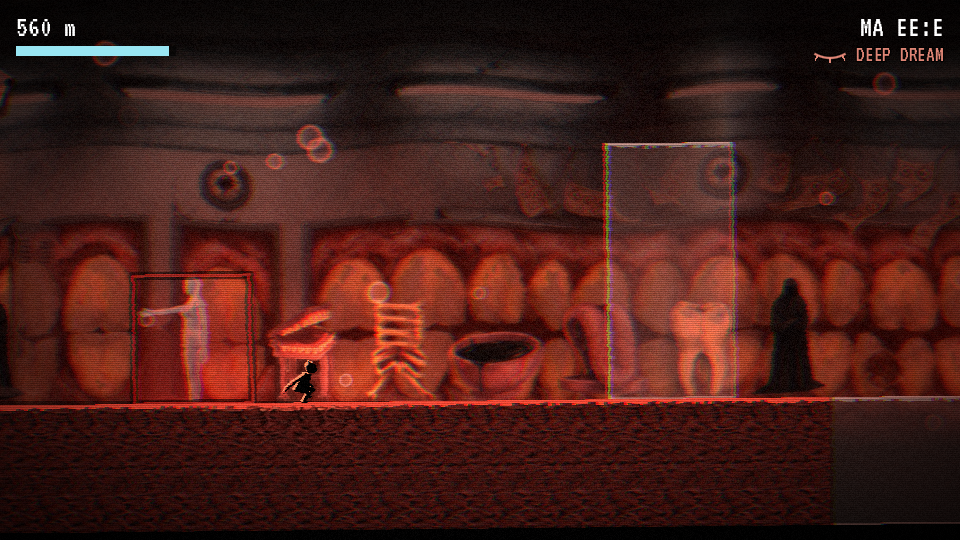
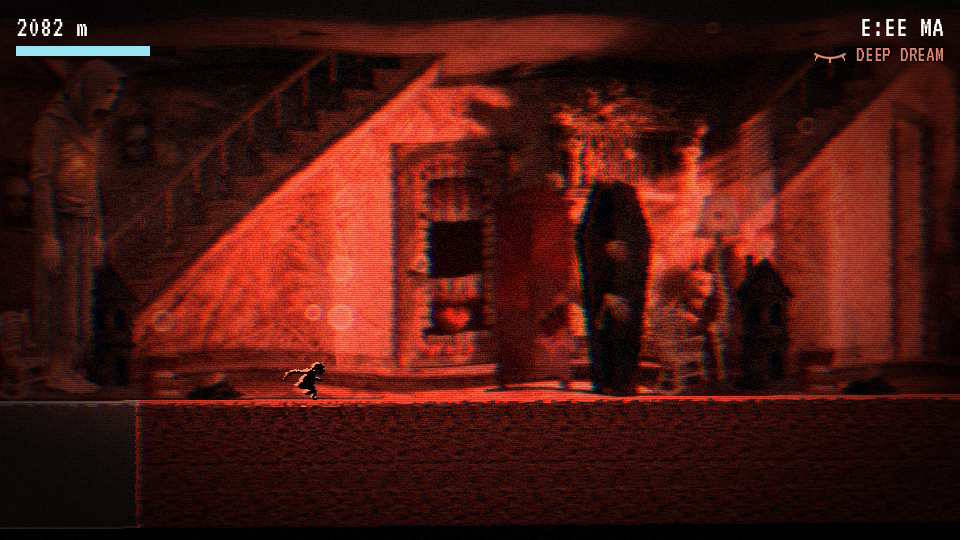
The game has two worlds on one track, so every place needed to exist twice. I painted each Waking scene with text-to-image, then made its nightmare twin as an image-to-image edit of that same painting, with the composition locked. When you flip worlds, you watch the same street rot instead of cutting to a new picture.
The same edit-the-original approach runs through the rest:
- The Lullaby Man: one painting of him, then edits of it. His jumpscare face, his arms-out hunting walk (a lunge, then two edits that change only his legs, lined up on the glowing music box in his chest), and the 7000 m card where he opens his chest.
- The obstacles: every block and wall is a pile of real objects from its place (crates on the street, desks and lockers in the school, tyres on the playground, supply cases in the hospital, suitcases at home). Each place also has its own floor. The Dream versions are edits of the same tiles, so a blink turns the crates into swollen pods and the lockers into molars.
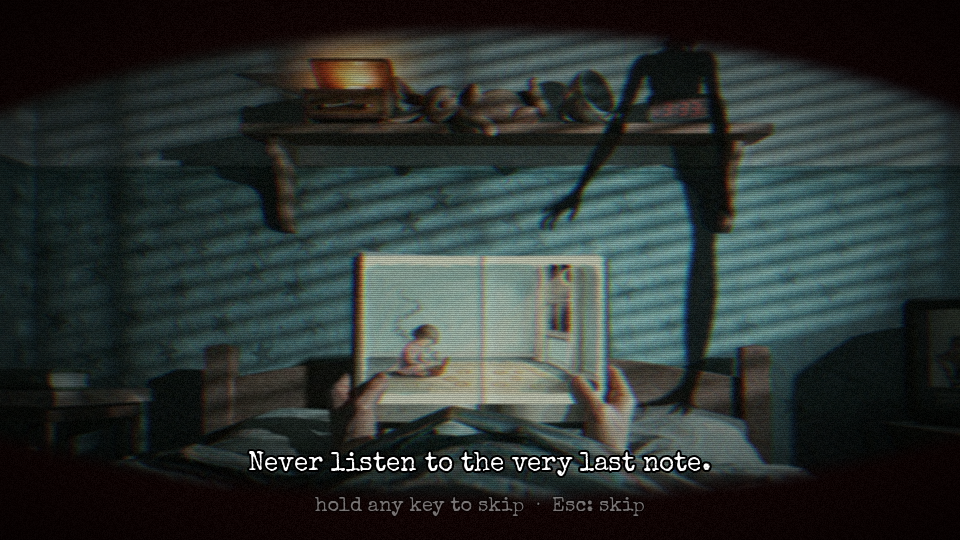
- The intro: one bedroom painting edited three times, each edit adding one wrong thing.
- The ending: the dawn hallway is an edit that adds his long shadow reaching for Mom's door.
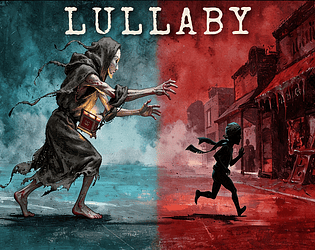
- Also: the props behind the track, the mannequins, eyes and teeth, the title and cover, the songbook pages, the death screen, and Lila's crayon drawing of him.
I drove it from the command line with a script I wrote (tools/art.py). It shows the credit cost before each run, checks that every edit kept the same canvas shape, lines up animation frames, and makes seamless tiles, cutouts and lighting maps. The prompts that failed taught me the most:
- "Side view" kept giving me roads vanishing into the distance, until I asked for a "flat orthographic side elevation, like a theatre backdrop."
- Edits kept cropping until I opened every one with "output the same canvas shape as the input image."
- My first walk cycle had his arms swinging, and he looked like a man out for a stroll. I re-did it with his arms reaching out the whole time.
The before/after images show the raw DreamLayer output next to how it looks in the game. Every prompt, including the ones I re-rolled and why, is in prompts.txt on the page.
Game Engine / Framework
Godot 4.7 (GDScript), web export
Leave a comment
Log in with itch.io to leave a comment.
Comments
When the game is good and the movement is solid, There's a 5 second delay from 125m and when the mannequin first introduce. It's kind of a freeze. I play on mac, i don't know if it happens on windows as well. But all n all solid game!
One of the strongest uses of DreamLayer I've seen in the jam. Making each nightmare world an image-to-image edit of its waking painting, so you watch the same street rot when you flip, is brilliant. The cover is genuinely creepy too. Great work!