

More upgrades should mean more interesting choices, not one obvious winning combination. That’s what we’re working toward with the module system in Exodus-Protocol, our persistent multiplayer space strategy game played through an AI assistant.
This week, we’ve reworked the implementation so we can more easily configure local or global effects. We now support up to 20 effect types, allowing modules to provide benefits, introduce drawbacks or combine several effects. The challenge is making those choices worthwhile without removing the weaknesses that give ships and defensive structures their roles. We want modules to support different strategies, rather than make the same upgrade path the best choice for everyone.
The implementation is in place, but balancing is still ongoing.
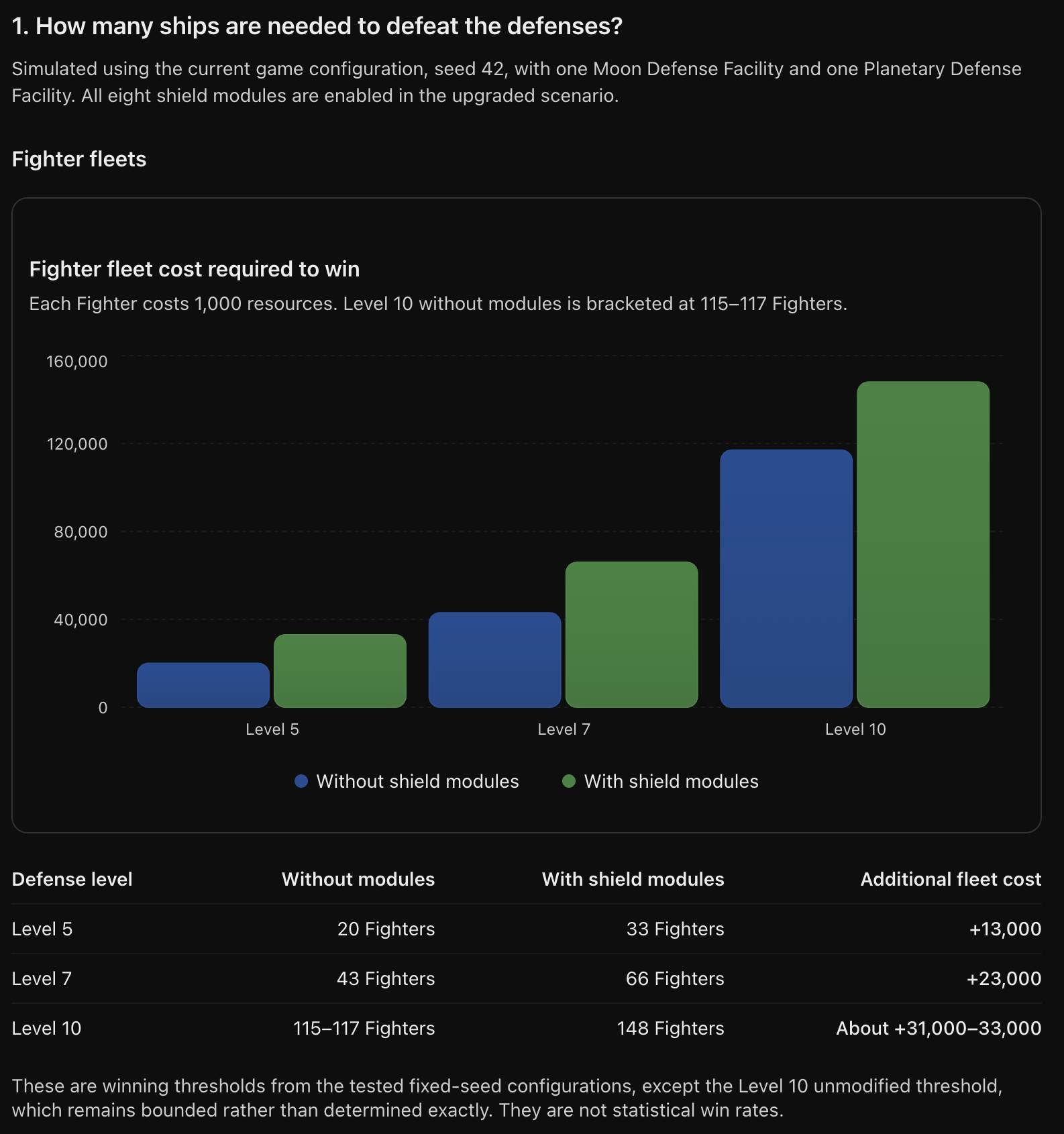
We’re also aiming to begin beta testing in the coming weeks. Next week, we’ll continue tuning the game and start creating an introduction video.
Preparing to let people play has brought up another concern: exposing the experience before we’ve had a chance to establish it. Could someone use AI tools to imitate the core mechanics, create something simpler and reach an audience before us? We want player feedback, not endless development behind closed doors. But we’re interested in how other indie developers are weighing that risk.
I’ve written about our thinking in:
The Dark Side of AI: When Anyone Can Copy Your Game
https://www.exodus-protocol.com/journal/the-dark-side-of-ai-when-anyone-can-copy...
Has the risk of AI-assisted copying pushed you toward smaller, closed playtests, or are you still comfortable showing your game early?