



Play game
all you mean to me's itch.io pageResults
| Criteria | Rank | Score* | Raw Score |
| Theme | #6 | 4.000 | 4.000 |
| Use of AI | #9 | 3.667 | 3.667 |
| Overall | #10 | 3.306 | 3.306 |
| Polish | #11 | 3.222 | 3.222 |
| Fun | #17 | 2.333 | 2.333 |
Ranked from 9 ratings. Score is adjusted from raw score by the median number of ratings per game in the jam.
How did you use AI?
I directed the work in one Claude Code chat with Opus 5.5 and its subagents. I also told it it could prompt me like a human subagent: it built and tested, and when something needed a person to look at, listen to, or play, it sent me in. I watched most of its automated testing and pointed out things I noticed as it worked, often adding substantial tasks while it was still working through the others.
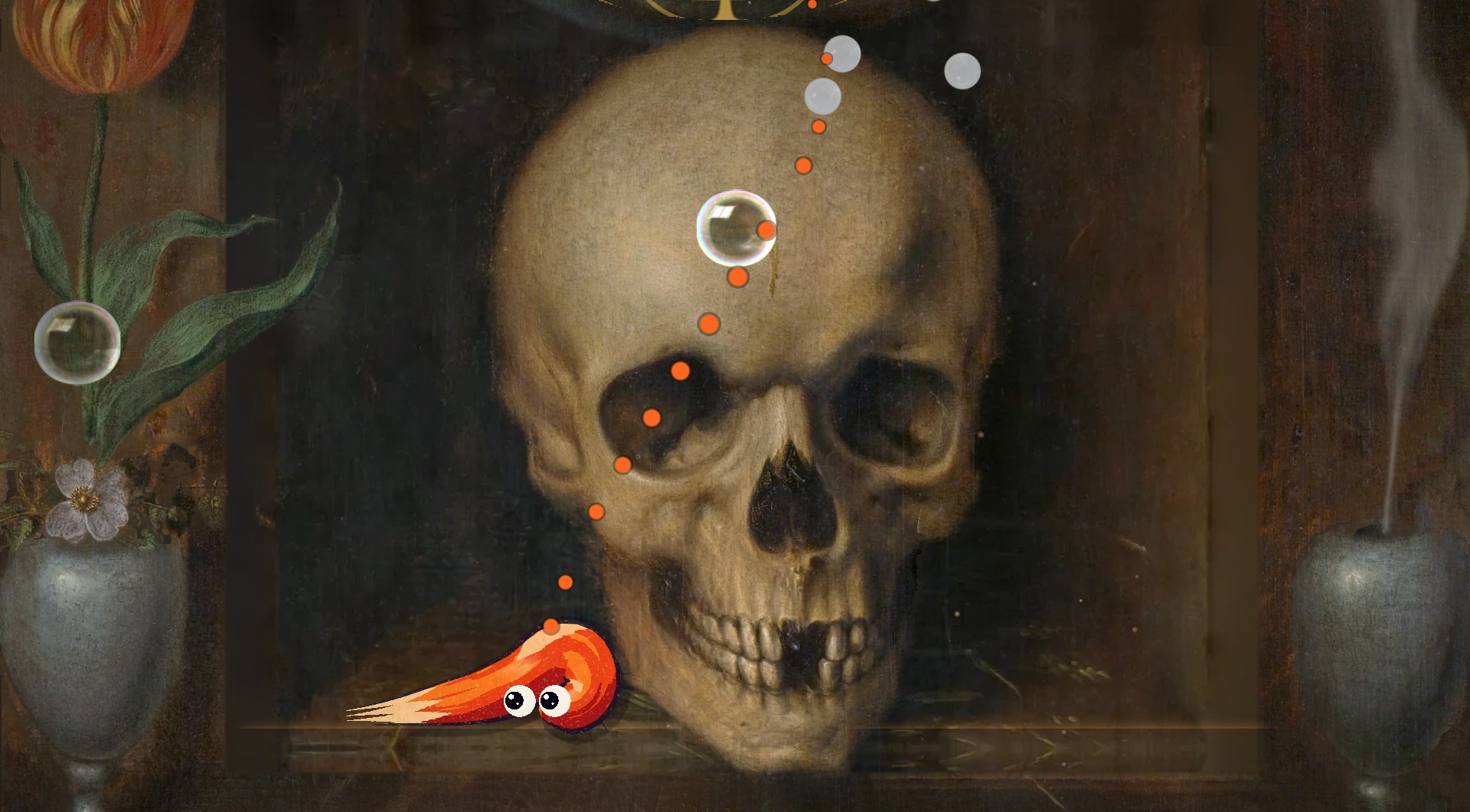
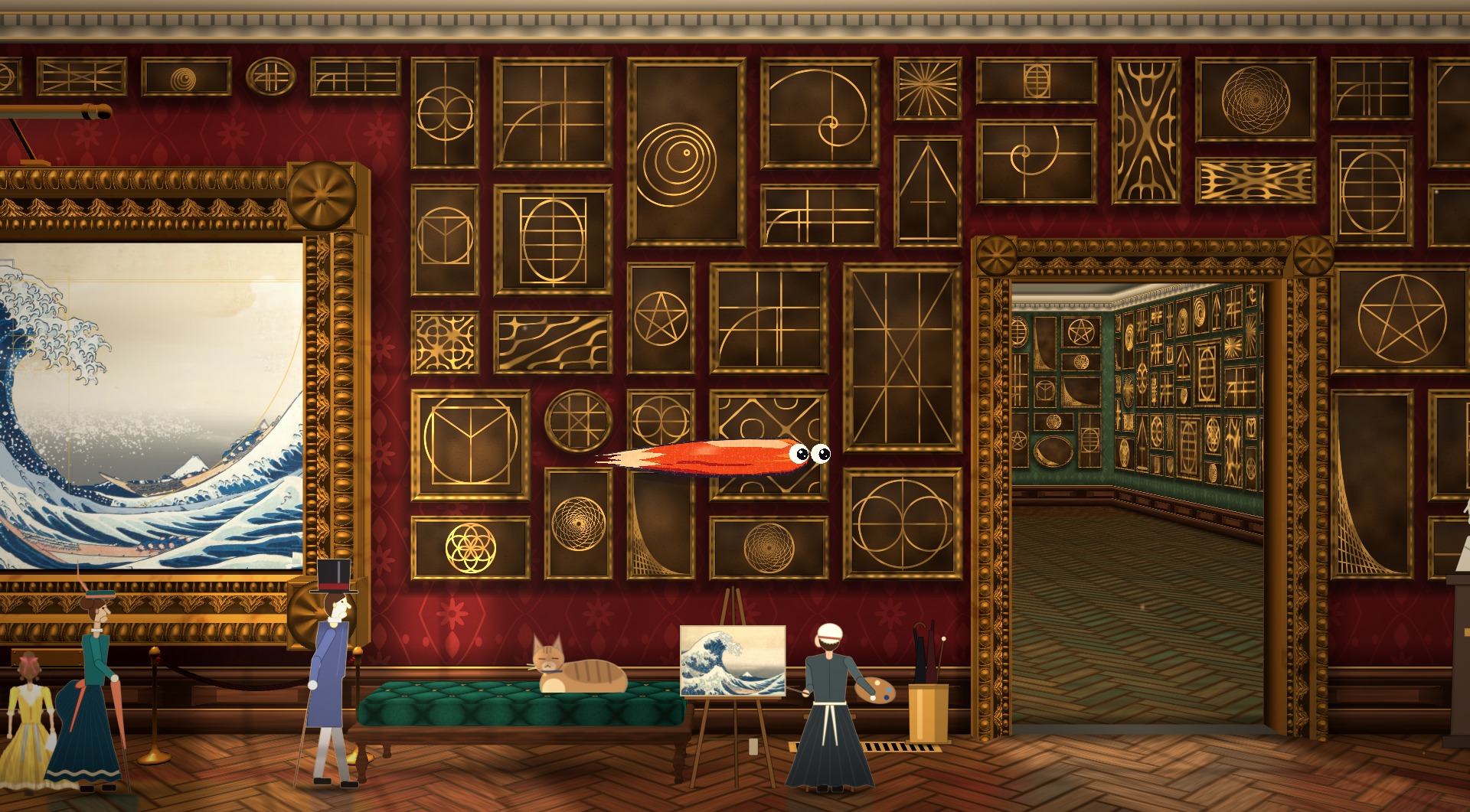
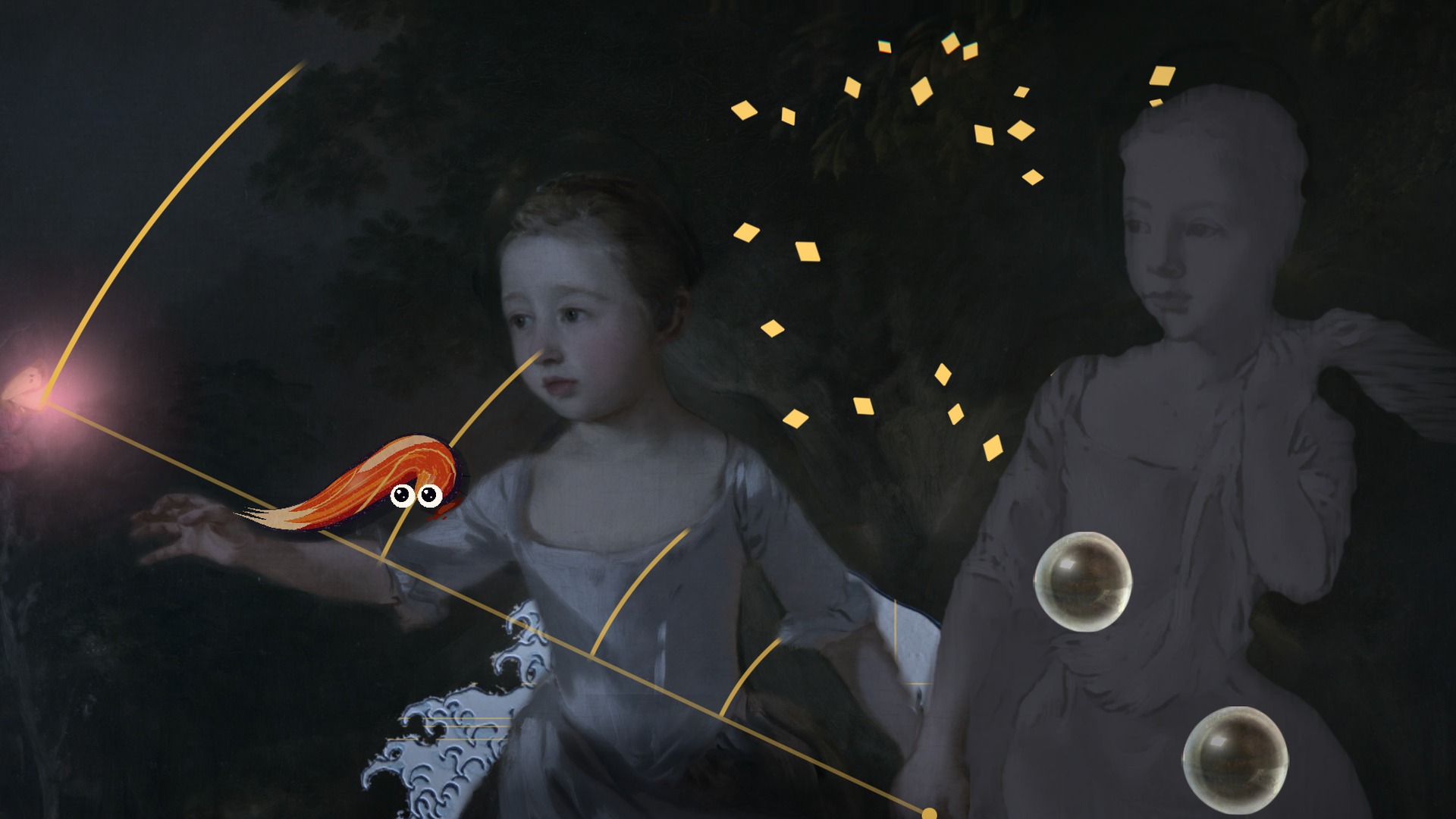
No image, video, audio, or 3D-generation models were used, and there are no imported 3D model assets; the geometry was built in code (by Claude, obviously). The paintings and engraving use the public-domain images credited on the game page. The game’s animation, effects, and procedural sound were made with code, shaders, and math. The only recording in the game is my own voice, chopped up and reshaped by code into the museum’s crowd and its lecturer.
Claude Opus 5.5: The implementer, and sayer of “you’re absolutely right”. It wrote the large majority of the code and shaders, built the world and characters, and did most of the testing. It took the paintings apart with classical image processing, and wrote scripted players that run the real game to prove it can be finished. It also made a hitbox and collision overlay to tune the hitboxes how I asked, and let me verify its work without having to hug all the walls.
Opus subagents: One each for the three paintings and the rebuilt museum, all working at the same time in one repository.
Sonnet subagents: The generalists, used for most of the subagent work that wasn’t taste-heavy. That included the first museum and the sound pass.
Haiku subagent: Researched game feel techniques.
Fable subagent: A blind red team of the near-final game, with Sonnet agents doing its legwork. It found that the camera never showed the third painting opening, and that holding on the sea drowned you. Both got fixed. Two of its other claims turned out to be wrong.
OpenAI Codex: One chat for an audio pass: the mix, the bonus rooms’ music, and keeping the sound going when the browser stalls.
ChatGPT: Helped me find the jam and research public-domain paintings, including compiling a list to explore. I also used it to collect development updates and screenshots, then summarize them for a postmortem alongside my own notes and Opus’s development log.
MiniMax superfans: Handled the superfan-style red teams, run with the superfan skill from my public agentic-toolkit. Ideas from them include the birds, the blank labels, and the 1830s museum.
Engram: My own pre-existing oscillator math, and the stroke’s brain. It mixes your recent inputs with its own physics and velocity to predict where it’s going a quarter of a second ahead, then acts on it: when it’s wrong, it trips over itself, and when it sees a strong throw landing, it winds up before the hit. It also handles the action frames just before you hit an objective. I used it heavily for game feel: character animation, flair, and UX. Prediction was too inconsistent to lean on for core gameplay mechanics, but it made those reactions feel much more immersive. The gold ring reads the same prediction, so your motion can decide where stasis lands.
Scryer: My own pre-existing exact math tool, in research preview. It got used a lot: it derived when the wave curls, checked the fluid motion on the stroke, certified the numbers behind its reactions, checked the web audio timing, and helped with the procedural music systems.
Leave a comment
Log in with itch.io to leave a comment.
Comments
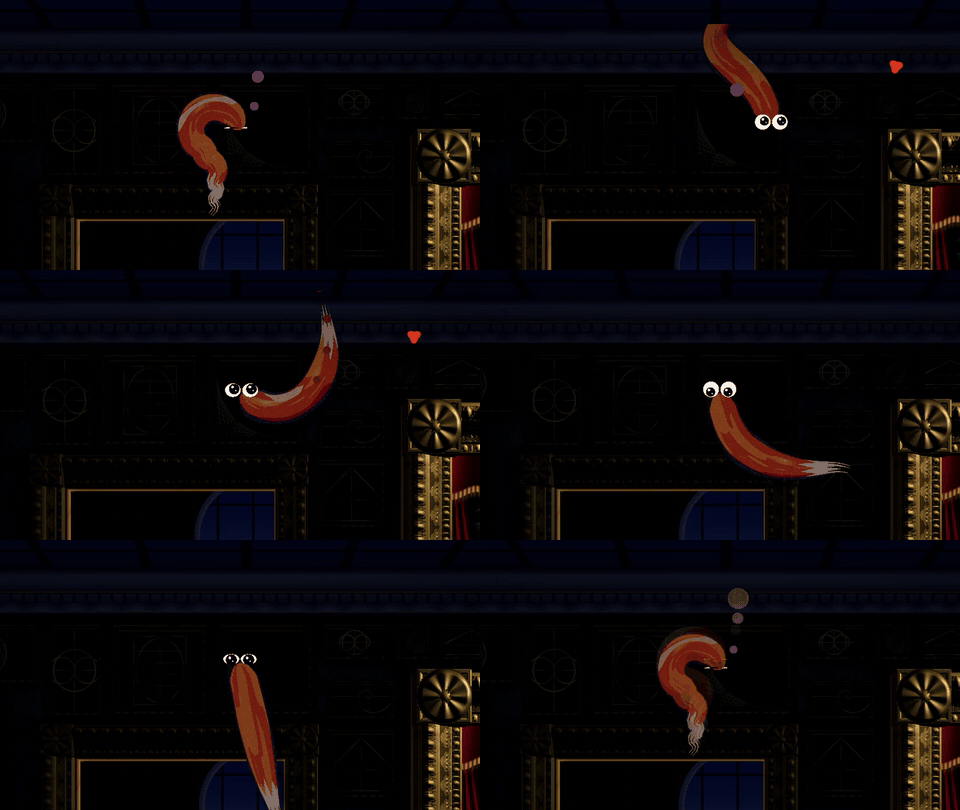
There is some kind of genius behind this game, but it's a bit over my head. I really loved the look and feel of the game- the camera work is incredible. The brush stroke feels alive.
But the game play itself was confusing and not rewarding cause I didnt understand it.
visually stunning!
i really like how it looks, and the character is very cute. I had a bit of trouble trying to figure out what to do or how to proceed. I think there's some improvements that can be done on that part!
Overall well polished though, nice job!
Nicely done, it took a bit to figure out, but I got there eventually. Here is my playthrough:
Very cool, nice camera work and controls