




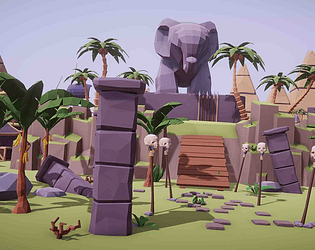
Thanks a lot! Glad you like the pack!
A member registered Aug 22, 2022 · View creator page →
Creator of
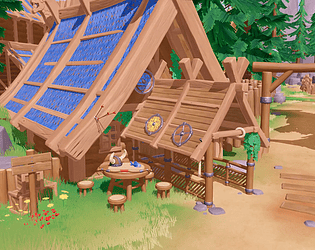
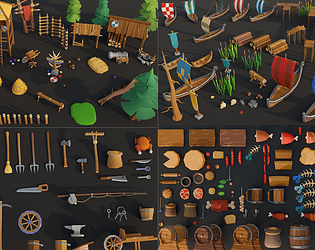
Stylised Medieval Environment
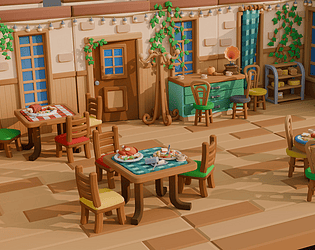
Kitchen Restaurant props for cooking game
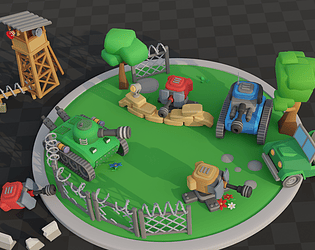
Cute Army Pack
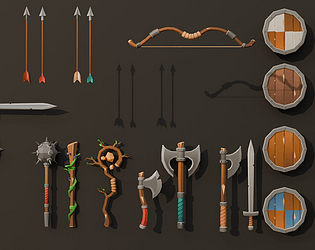
Medieval Weapons Pack
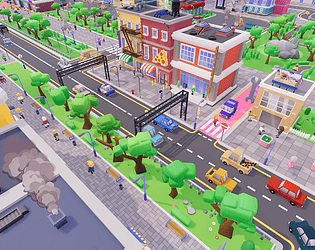
Cartoon City Massive Pack
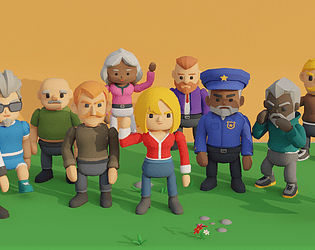
CartoonCharacterPack
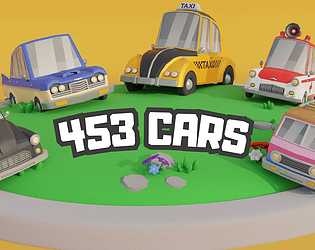
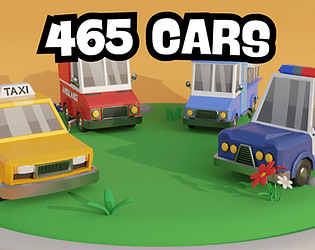
Pack of Cars
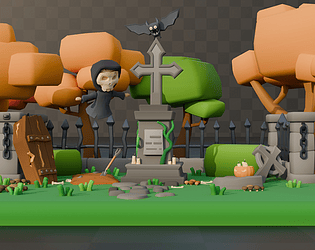
250 3d Halloween models
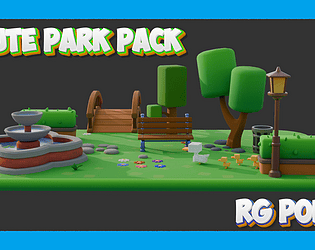
101 Cute Modular 3d Models
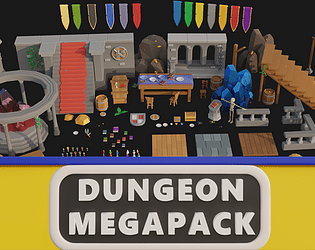
Pack of Dungeon themed 300+ 3d models i various formats
Thousands of models, 5 demo scenes, and much more
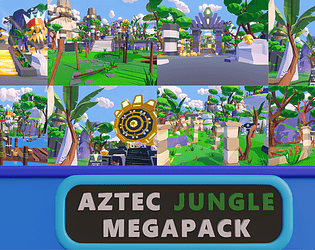
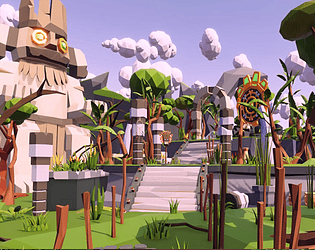
Aztec Jungle Megapack
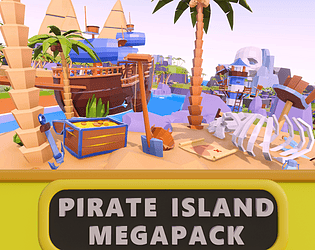
Pirate Island Megapack
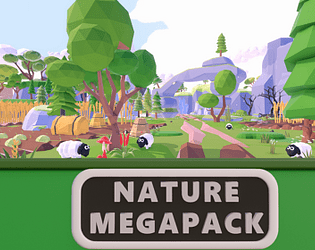
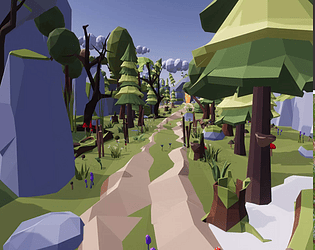
Low Poly Nature Megapack with 300+ 3d Models
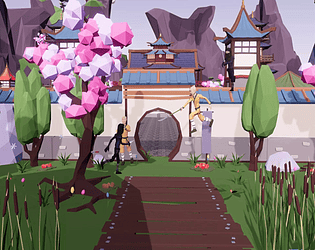
Low Poly, Asia, Japan, China, Ninja
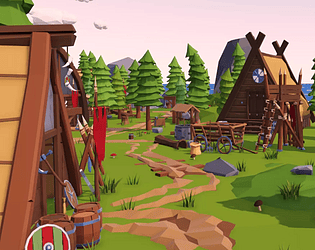
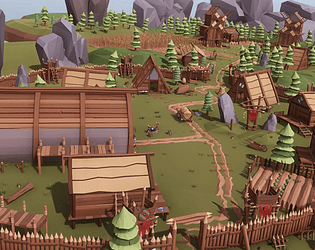
Medieval, Low Poly, Unity, URP, Village, Vikings,
Retro, stylized, vintage, gramophone, furniture, telescope, armchair, chair, gameready
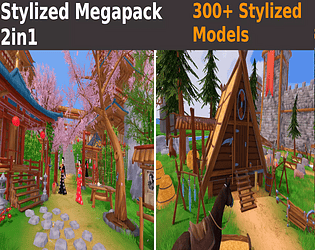
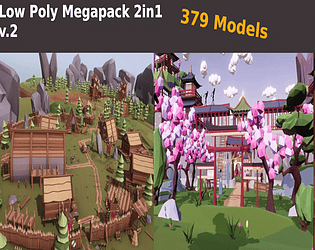
300+ models and prefabs of stylized Asian and Medieval Village Enviroment
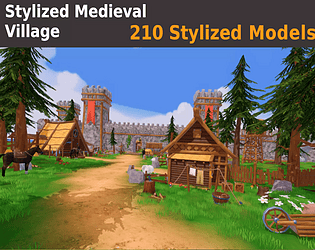
210 Awe-Inspiring Medieval Models, 1 demo scene
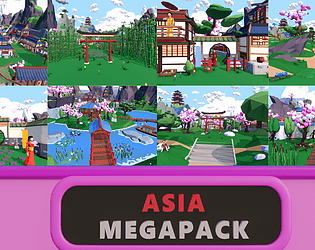
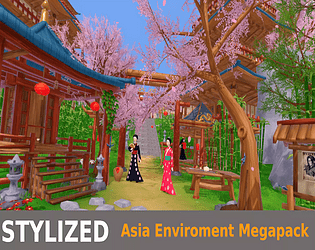
Immerse yourself in the captivating beauty of Asia with our stylized environment pack.
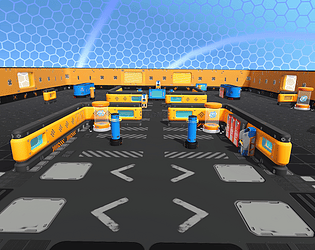
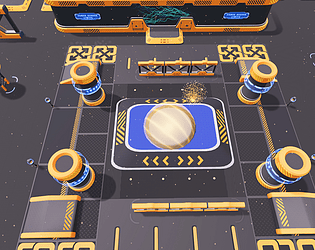
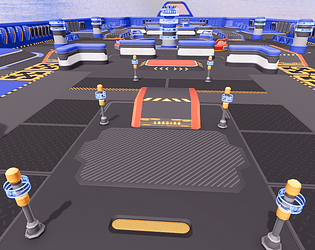
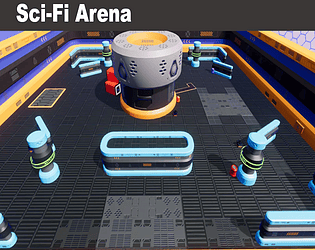
Collection of meticulously crafted 3D models designed to transport you to futuristic battleground.
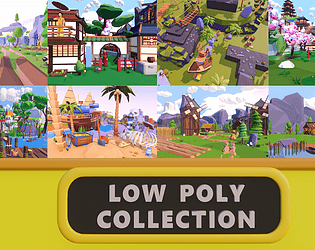
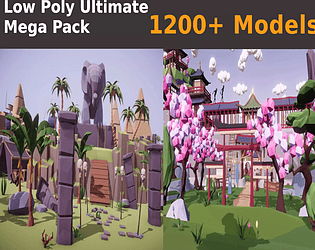
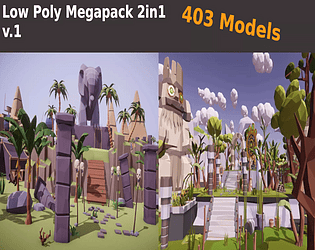
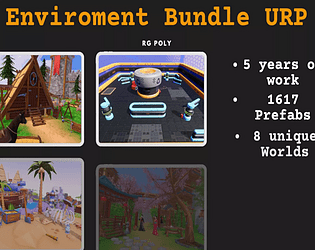
This package contains over 1200 prefabs, low poly models, it is a combination of five other assets
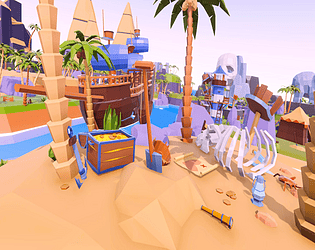
121 3d models to help you create a Pirate Island themed game
440+ Low Poly Nature Models
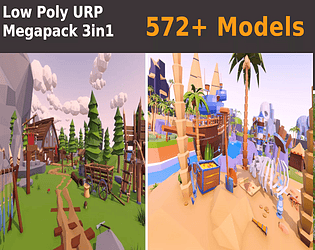
Over 572 3d models and 3 demo scenes.
An Epic Low Poly asset pack of Trees, Buildings, Rock, Props, and others Environment assets
Is An Epic Low Poly asset pack of Trees, Buildings, Rock, Props, and others Environment assets
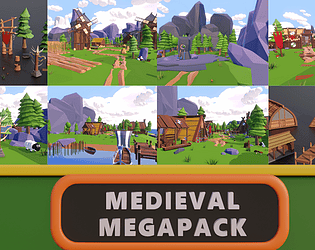
Asset pack for game developers and designers who want to create a medieval-themed polygonal style game.
An Epic Low Poly asset pack of Trees, Buildings, Rock, Props, and others Environment assets
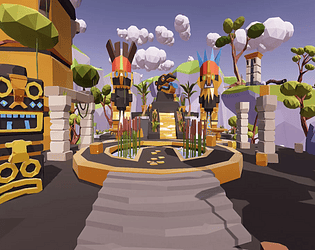
With these assets, you can create a truly authentic and immersive Aztec jungle experience for your players.
Asia Mega Pack An Epic Low Poly asset pack of 247 models. Building, characters, and other Asian theme Environment assets
8 worlds, 1600+ 3d Models
Low Poly models pack for medieval stylized type game
Pack of 118 Low Poly models