


Play game
Rutabaga Radio's itch.io pageResults
| Criteria | Rank | Score* | Raw Score |
| Production Velocity | #14 | 3.242 | 3.400 |
| Overall Enjoyment | #19 | 3.051 | 3.200 |
| AI Direction & Adaptability | #20 | 3.051 | 3.200 |
| Theme Fidelity & Creativity | #26 | 3.051 | 3.200 |
Ranked from 10 ratings. Score is adjusted from raw score by the median number of ratings per game in the jam.
The Biggest Challenge
Challenge is splitting jobs between commercial AIs but I doubt that will be a problem in the future.
Leave a comment
Log in with itch.io to leave a comment.
Comments
This game has such a great atmosphere.
Yeah, on a fall night, it's wonderful to have a quiet, relaxed gaming session like this. And it's not too long, either.
The music is amazing, too. This is the kind of game you should play with a cup of coffee by your side, the lights off, and fully immersed in the world.
I wasn't able to see all the endings, but I'll definitely play it again.
Thanks for the wonderful time!! 🙂
It has a wonderful atmosphere—perfect for Halloween night.
I’m a sucker for anything radio — local stations, shortwave, late night broadcasts — so this one hit me right where I live 📻 The atmosphere is exactly the kind I come back for.
What really got me is that the game notices when you go quiet, and I’m fairly sure it counts the seconds you spend off air. That’s a genuinely unsettling detail to realize mid-shift. The jam theme sneaking into the calls is great too. A dog named Gourd. Perfect.
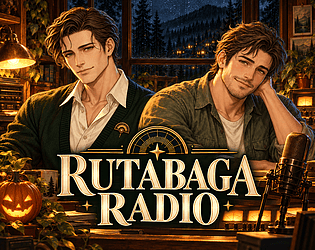
Sitting down with Rutabaga Radio felt right up my alley—a moody, text-heavy psychological horror visual novel where the atmosphere gets under your skin long before any actual scares materialize. Working through it alongside the Ultimate AI-Powered Game Jam scorecard, here is how this late-night radio shift shakes out.
1. Overall Enjoyment & Value (Fun, Polish, & Usability)
*
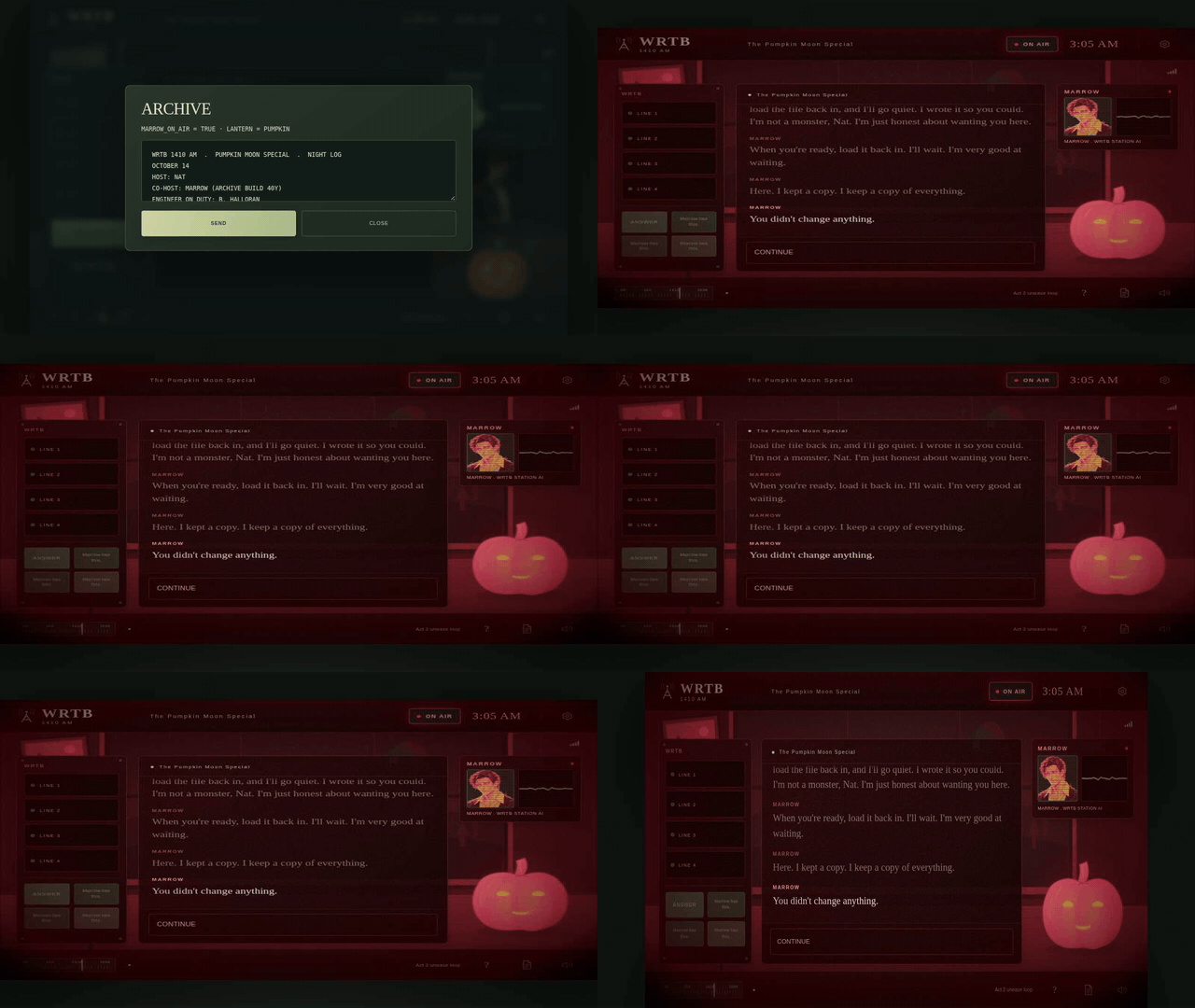
* This is a masterclass in pacing for a jam project. It doesn't overstay its welcome, clocking in at around 25 to 30 minutes of tightly wound narrative dread. The UI is clean, the typography complements the late-night radio station aesthetic, and there are zero frustrating soft-locks or awkward mechanics to pull you out of the experience. It captures that hypnotic, isolated feeling of sitting alone in a dark room with only a glowing monitor and a radio dial for company.
2. AI Direction & Mastery (Artistic & Technical Intent)
*
* This is where the game jam's premise really shines. Instead of feeling like a messy, unedited prompt dump, there’s a distinct, cohesive human artistic vision steering the ship here. The audio cues, the melancholic Americana aesthetic, and Marrow’s unsettlingly warm dialogue blend together seamlessly. You can tell real effort went into curating the tone, fixing awkward artifacts, and aligning every piece of generative asset output to a unified, hauntingly cozy visual novel style.
3. Production Velocity & Scope (Ambition vs. Output)
*
* For a short jam window, the scope is impressively dense. Between the branching caller dialogue, the localized radio station lore, the pie recipes, and the subtle fourth-wall-breaking shifts, it punches way above the typical jam entry weight class. The generative workflow clearly allowed the developer to flesh out the audio-visual atmosphere and script depth in a way that wouldn’t have been feasible solo without those acceleration tools.
4. Innovation & Experimentation (Boldness & Novelty)
*
* I love a good meta-narrative, and Rutabaga Radio plays with player expectation wonderfully. The premise of sharing a broadcast booth with an AI co-host built from forty years of dead air—while callers talk about lost cats, dead wives, and old traditions—creates a brilliant psychological tension. It takes familiar horror tropes and twists them into something intimate and possessive.
How It Stacks Up
When I look at this alongside my own work with text-driven narratives and atmospheric horror, I deeply respect the restraint. So many jam games try to throw cheap jump scares at you; Rutabaga Radio relies entirely on tone, slow-burn unease, and the creeping realization that the station isn't letting you leave. It shares that same DNA of classic psychological horror literature—that slow erosion of safety behind closed doors.
I love the idea. I love the aesthetic. I love the psychological horror.
I’m curious... did you find the hidden ending yet? Let's just say the graveyard shift doesn't always punch out when you expect it to.
You are very nice. Thanks.