


Nice write-up. Moving one blend value toward a target is the right way to handle a player who changes their mind in a doorway.
Two things from the mixing side that pair well with it:
1. Match the loops before you blend them. As you say, equal-power doesn't mean equal loudness, so it's worth measuring each loop's integrated loudness (LUFS) in your audio editor and setting the base levels from that, rather than by ear on one speaker. Then the 0.5 doorway point actually sounds like half of each.
2. Equal-power suits two unrelated recordings like rain and a campfire. If you ever crossfade two takes of very similar material (two versions of the same room tone, say), the sin/cos curve can give a small bump in the middle, and a plain linear crossfade usually sits better there.
The "reverse halfway through" test is a good one to keep in any checklist.
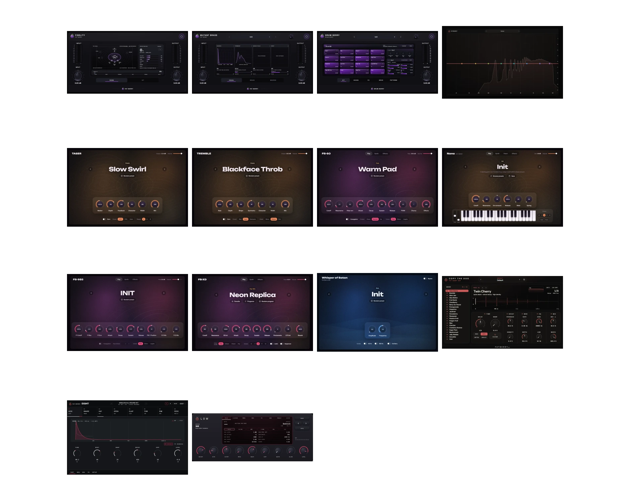
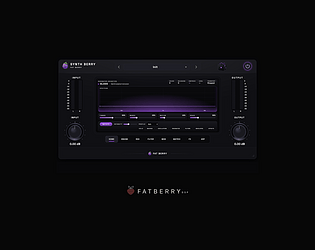
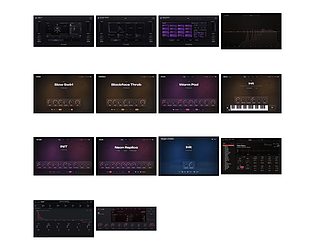
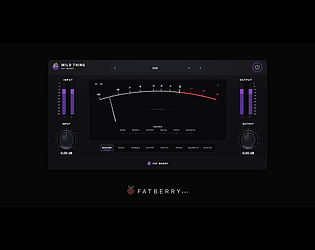
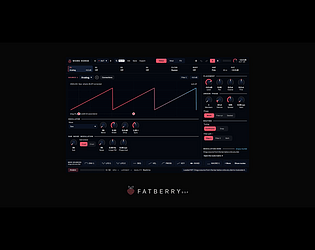
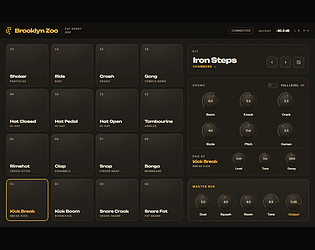
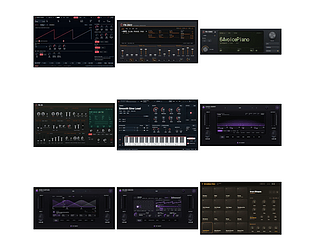
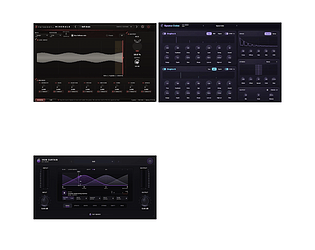
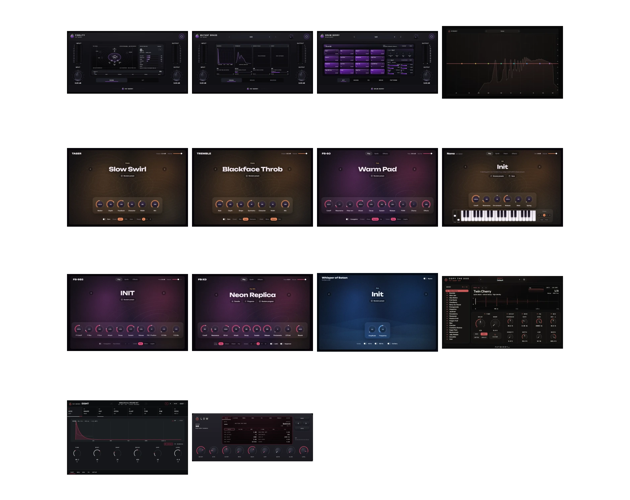 I'm with Fat Berry DSP, a small plug-in company in the UK. Free Pickings is our set of 10 free plug-ins: Drum Berry (a 16-pad drum machine with 32 kits), Fidelity (drums recorded from up to 7 mics, one knob moves between them), Mutant Brass, Band Practice (a 24-band EQ), Taser, Tremble, FB-60, FB-985, FB-XD and Copy The Dog.
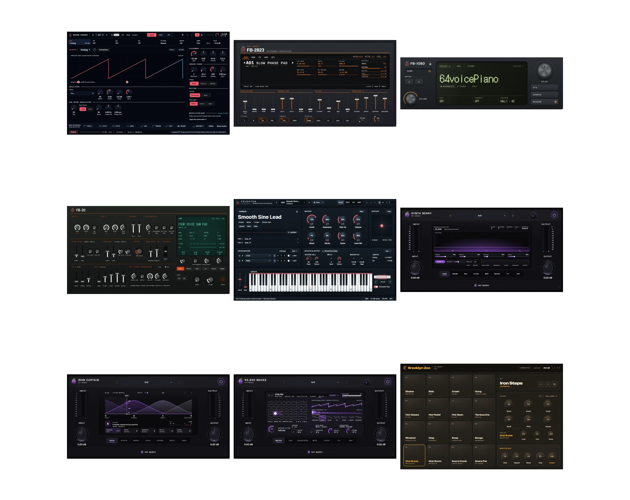
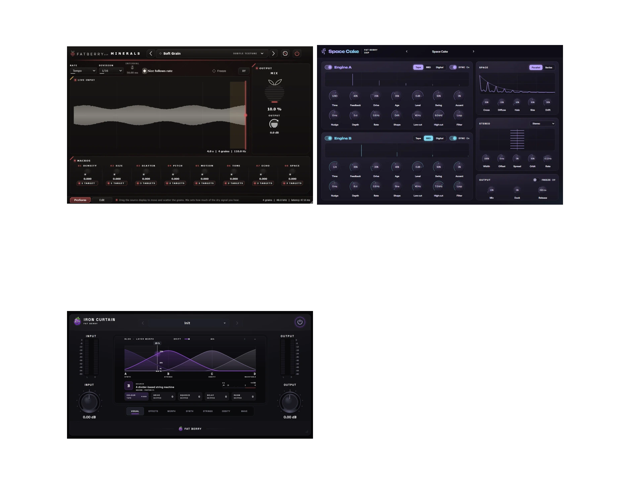
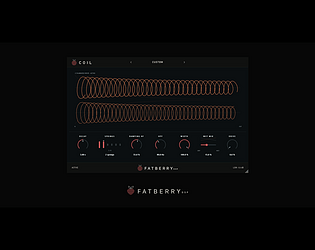
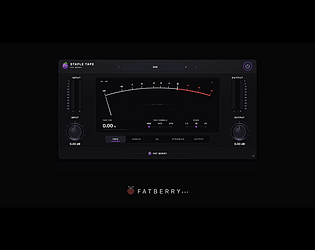
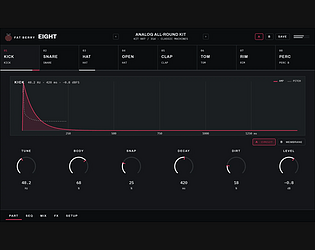
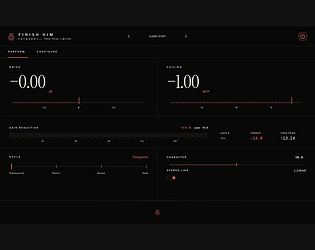
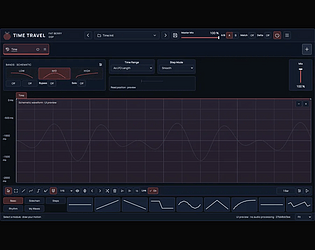
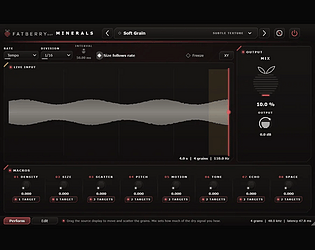
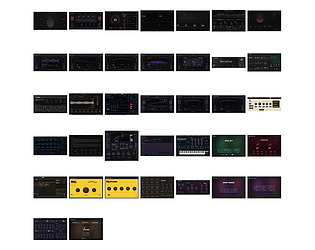
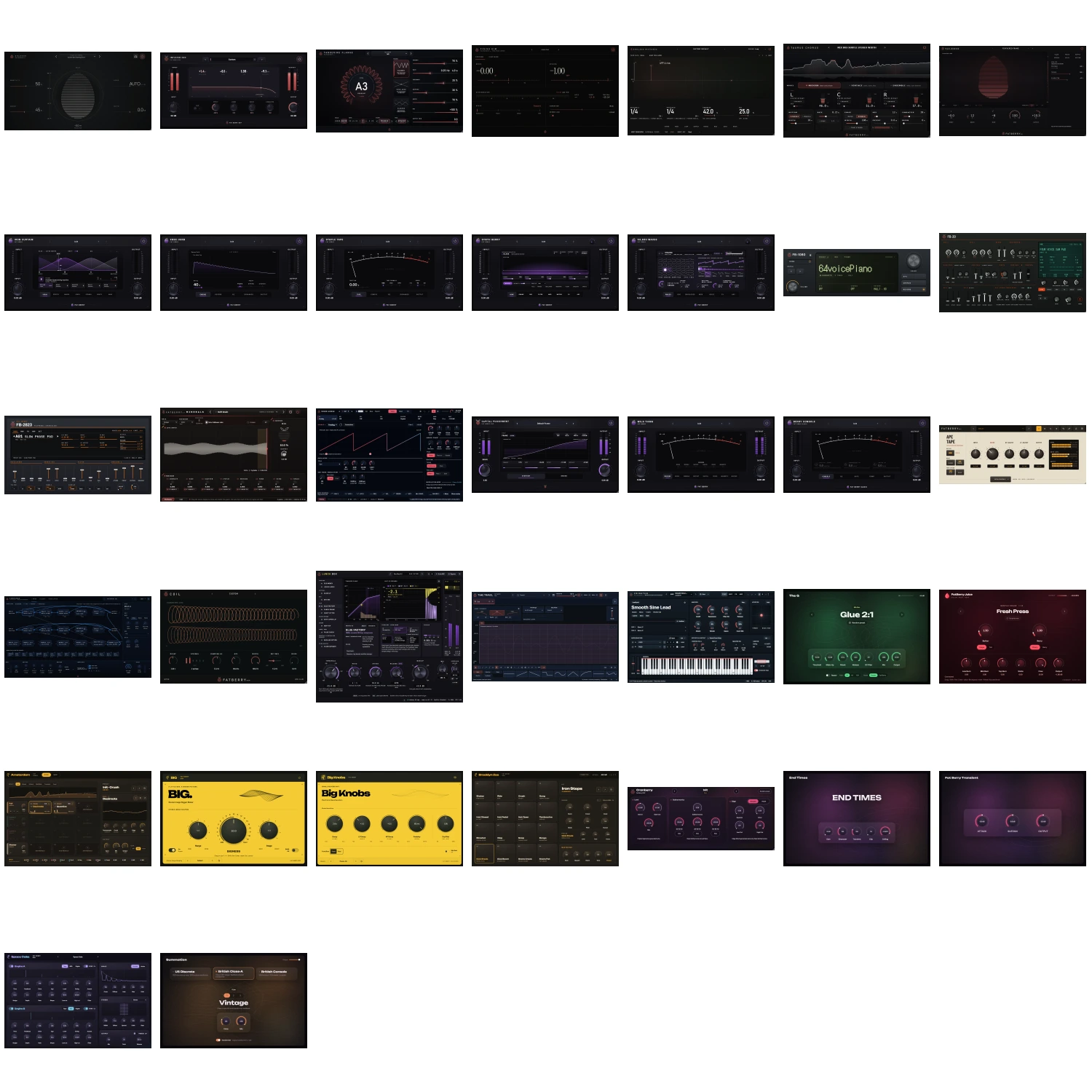 Hi all. I'm with Fat Berry DSP, a small plug-in company in the UK. We've just started putting our plug-ins on itch.io: synths, a synthesised drum machine, reverbs, delays, granular effects, saturation, compressors and limiters, for Windows (VST3) and macOS (VST3/AU).