








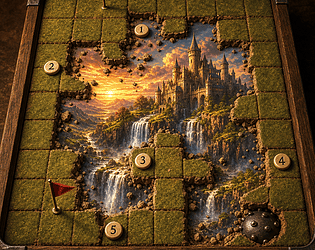


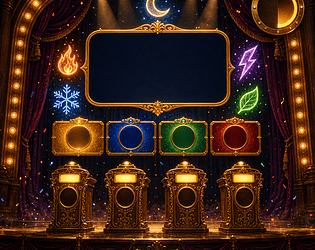

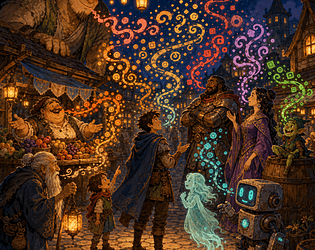







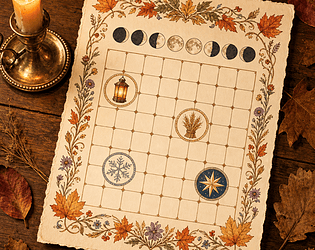




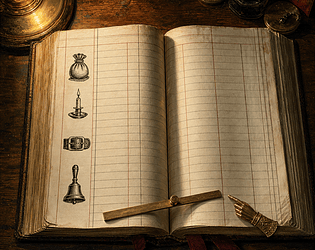
















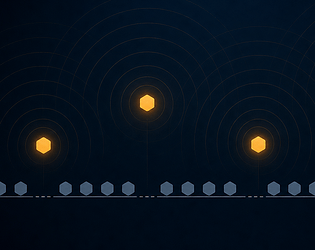





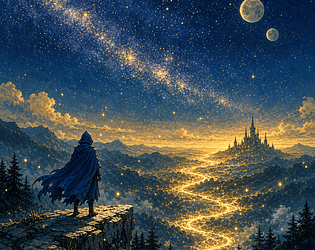
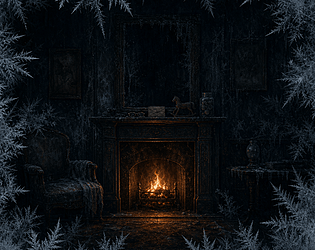






Thanks for playing it this carefully, and for saying up front that it was a script. The pace point is fair. The SEASON CATCH bar shows what you have, not whether you are on track, and by night 7 that is the number that matters. A line beside it with the projected total at this pace, or the catch per night still needed, is a good fix, and we have logged it for the next build. Good to hear the dawn card reads in one look and that the new moon plays the way it should.
A member registered 78 days ago · View creator page →
Creator of
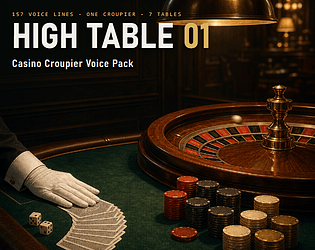
157 AI voiced croupier lines: every roulette result and colour, poker, blackjack, craps, baccarat, slots. WAV + OGG.
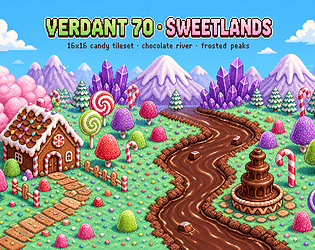
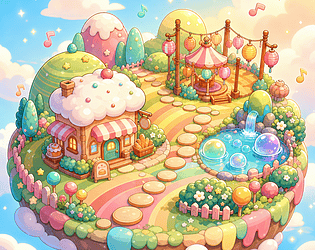
A candy world at 16x16: candyfloss, a flowing chocolate river and frosted peaks. For RPG Maker MZ, Tiled, Godot, Unity.
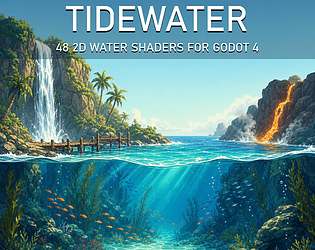
48 2D water shaders for Godot 4: lakes, side on pools, waterfalls, underwater. Shores follow your shape.
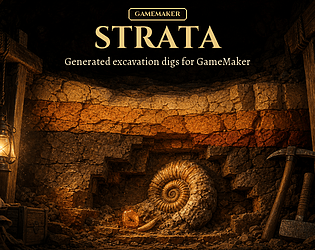
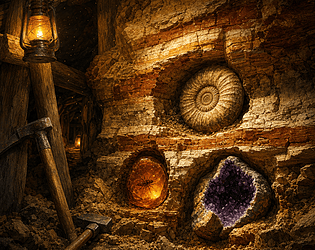
Dig fossils, relics and ore out of a generated rock face before it gives way. 16 finds, 8 rocks, pure GML.
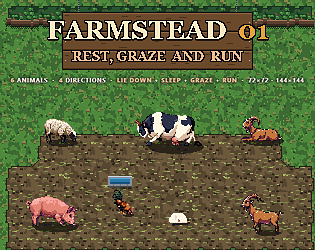
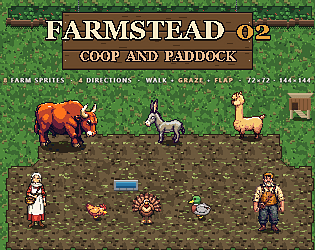
The Farmstead 01 livestock lie down, sleep, graze and run in four directions, on pack 01's own cell and palette.
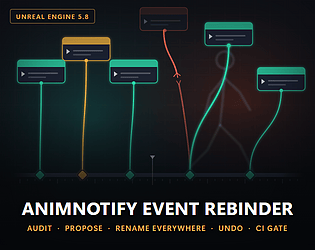
Renamed a socket or bone? Find every Blueprint, notify and physics body still on the old name, and fix them at once.
44 track desert fantasy score in Hijaz and harmonic minor. Caravans, bazaars, buried cities, a sand wyrm. MIDI + OGG.
I Spy scenes from your own database: items hidden in drawn clutter, each one provably findable. Plus crowds.
Finds every Unity UI and TextMeshPro label under 9 px on a Steam Deck and raises it, with preview and Undo.
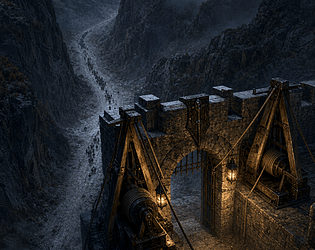
A twin-stick adventure in a barred keep. Aim every bolt, read every tell, break four seals in any order.
Action
Play in browser
126 cozy pet SFX: 8 pets, each greet, ask, eat, drink, petted, play, groom, sleep loop, plus toys and home. WAV + OGG.
140 AI voiced lines for RTS games: five unit types on one bark set plus an advisor with base alerts. WAV + OGG.
58 castle UI widgets, pixel and HD: stone walls with turrets, blue banners, resource bars. Godot + 5 more engines.
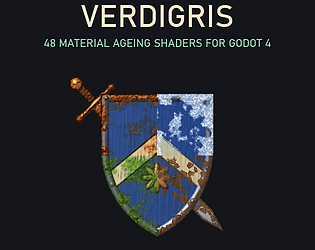
48 material ageing shaders for Godot 4: rust, frost, moss, peeling paint. One age slider grows each.
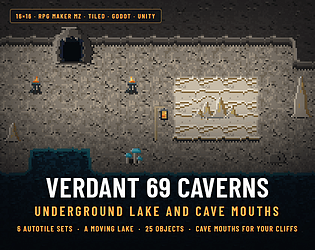
A limestone cave at 16x16: walls, a moving underground lake and cave mouths. For RPG Maker MZ, Tiled, Godot and Unity.
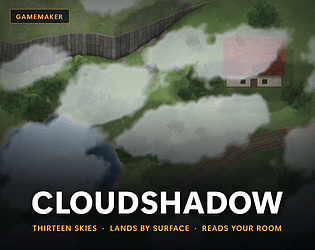
The shadows of passing clouds over your rooms, read from the room itself. Thirteen skies, three altitudes. GML.
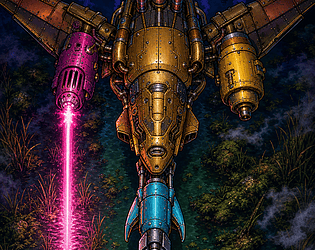
44 track steampunk game score: the airship, a clockwork city, the vault, sky battles, two bosses and cues. MIDI + OGG.
Renamed a notify? Find the Anim Blueprint events that stopped firing, and rename it everywhere at once. Undoable.
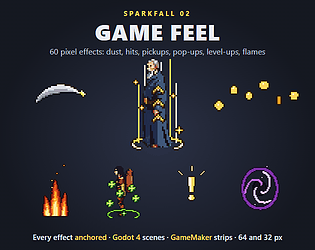
60 pixel game-feel effects: dust, hits, pickups, pop-ups, level-ups, flames. Godot 4 scenes, GameMaker strips.
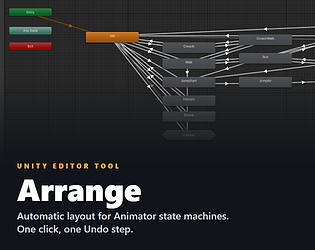
Automatic layout for Unity Animator state machines. See the crossings counted, then arrange in one Undo step.
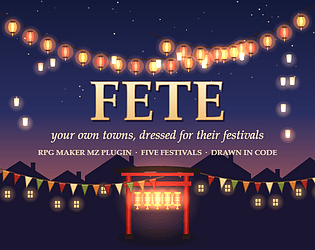
Dress your own MZ towns for a festival: bunting, lanterns, stalls and a centrepiece, placed from your map. 5 festivals.
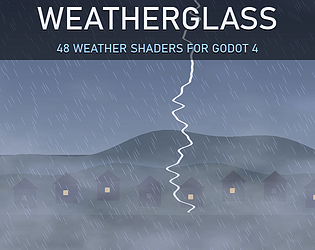
48 weather and atmosphere shaders for Godot 4: rain, snow, fog, aurora, lightning. Blend and stack them.
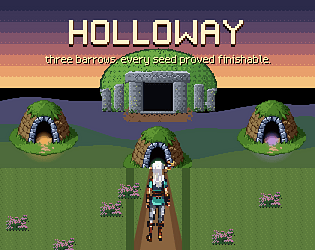
A top-down adventure on a hand-built highland. Three barrows, reshuffled every game, every seed proved finishable.
Adventure
Play in browser
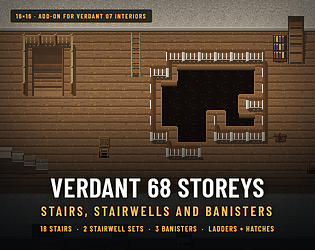
Stairs, stairwells, banisters, ladders, trapdoors and a cellar for Verdant 07 Interiors. 16x16, four engines.
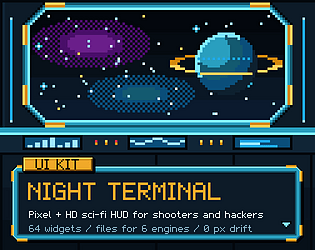
64 sci-fi HUD widgets, pixel and HD: chamfered cyan frames, amber ticks, segmented gauges. Godot + 5 more engines.
44 track science fiction game score: bridge, station, drift, the derelict, ship battles, bosses and cues. MIDI + OGG.
Cut lines into a generated veil until your picture is revealed. Eight veil materials, creatures and sparks. Pure GML.
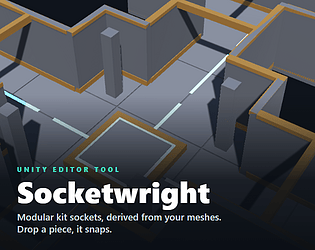
Derives connection sockets from your modular kit's meshes. Drop a piece near another and it snaps into place.
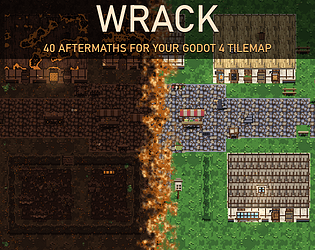
Burn, ruin, flood or overgrow your own Godot 4 TileMapLayer. 40 live aftermath recipes, both renderers.
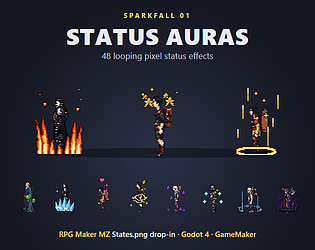
48 looping pixel status effects: RPG Maker MZ States.png drop-in, Godot 4 SpriteFrames, GameMaker strips.
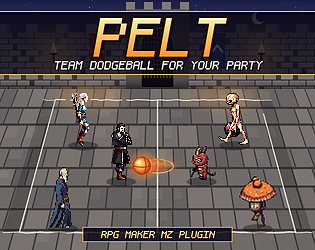
Pelt - Team Dodgeball Minigame for RPG Maker MZ: Your Party vs Any Troop, Special Throws From Skills
Team dodgeball for RPG Maker MZ: your party's battlers throw, catch and dodge on 5 drawn courts, specials from skills.
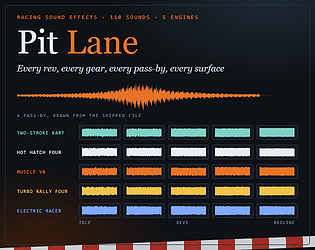
110 racing sound effects: five engines with seamless rev ladders, measured pass bys, a skid grid and a pit stop.
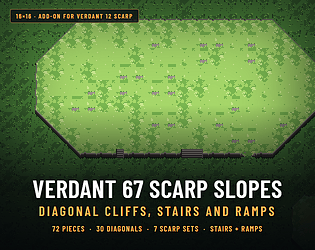
Diagonal cliffs, cliff stairs and ramps for Verdant 12 Scarp at 16x16. Tiled, Godot, Unity, RPG Maker MZ.
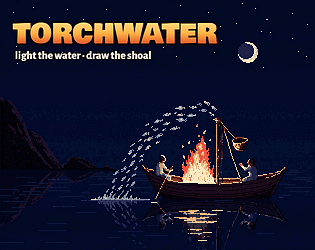
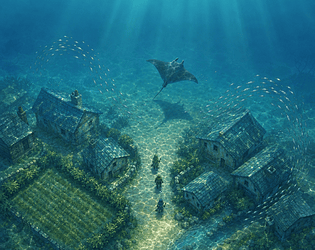
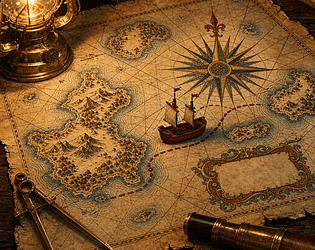
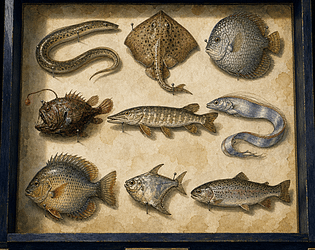
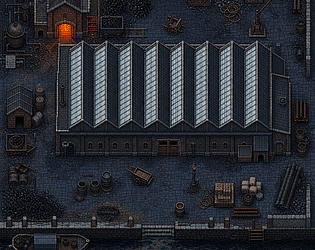
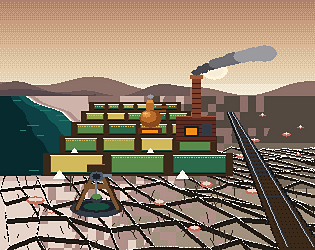
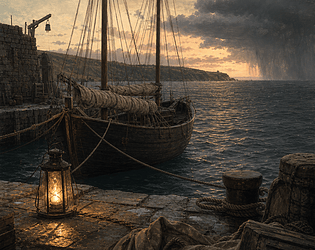
Light the water, draw the shoal, land the season: a fire-fishing incremental.
Simulation
Play in browser
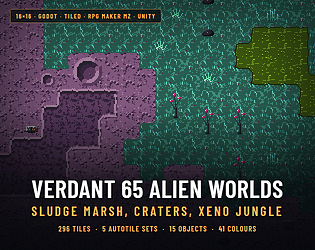
An alien planet at 16x16: sludge marsh, cratered plain, xeno jungle and a crashed ship. MZ, Tiled, Godot, Unity.
100 free AI voice lines by 25 characters from 10 voice packs: announcer, heroes, villains, NPCs, sci-fi. WAV + OGG.
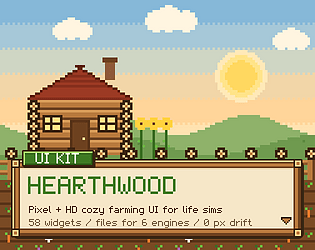
58 cozy farming UI widgets in pixel and HD: wood frames, cream panels, leaf green. Godot themes + Unity, GM, MZ, Ren'Py.
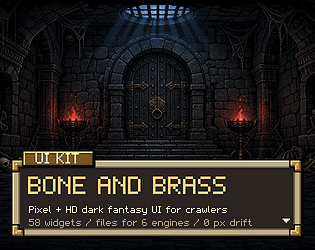
58 dark fantasy UI widgets in pixel and HD: bone frames, brass, blood red. Godot themes + Unity, Unreal, GM, MZ, Ren'Py.
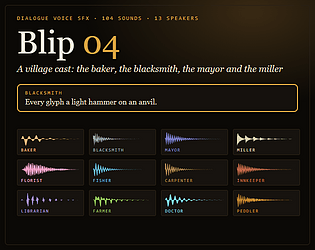
104 dialogue blips: 13 village speakers for cozy, farming and RPG games, none an earlier Blip voice. Same cues.
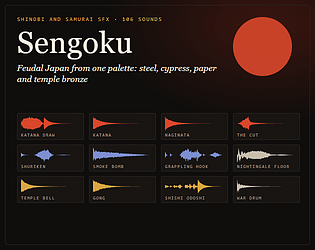
106 feudal Japan SFX from one palette: katana, shinobi kit, castle, shrine, war camp. Ladders, loops. WAV + OGG.
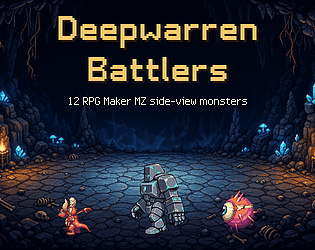
The 12 Deepwarren 01 monsters as RPG Maker MZ battlers: all 18 side-view motions plus enemy images.
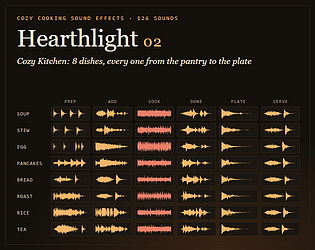
126 cozy cooking SFX: 8 dishes, each prep, add, cook loop, done, plate, serve, plus kitchen and cafe. WAV + OGG.
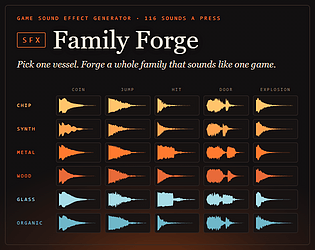
Pick a material, press Forge: 116 matching sound effects for one game, laid out for Godot, Unity or GameMaker.
Run in browser
44 track wuxia game score on five notes. Sect halls, bamboo duels, mountain roads, bosses and cues. MIDI + OGG.
Your studio name as an animated ident before the title screen: forty treatments, skippable, no images. RPG Maker MZ.
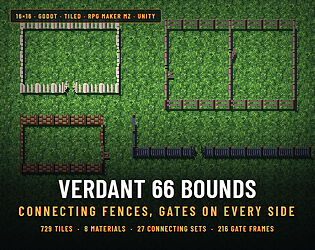
Connecting fences for 16x16 maps: 8 materials, every junction, and a gate on both axes in four states.
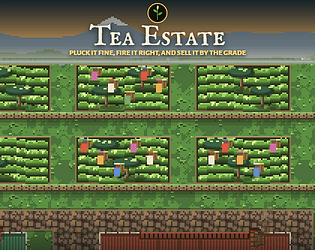
Run a hill tea estate: pluck it fine, fire it right, and sell it by the grade.
Simulation
Play in browser
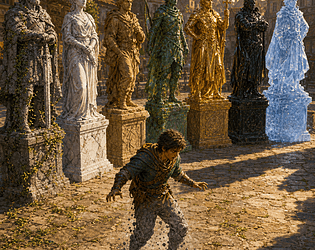
Your own characters and monsters as statues in stone, bronze, marble, ice or gold, plus live petrify. RPG Maker MZ.
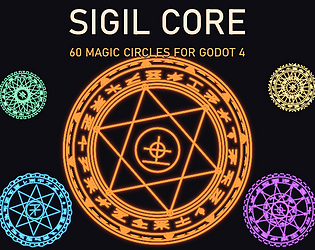
60 procedural magic circles for Godot 4 that cast, hold and break. Six schools, one shader, both renderers.
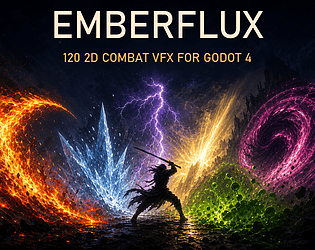
120 2D combat VFX for Godot 4: hits, slashes, bursts, projectiles, buffs. Six elements, runtime shaders.
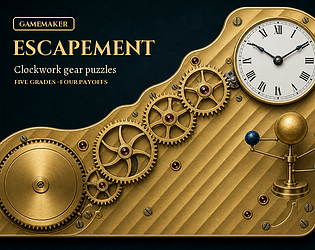
Gear-train puzzles generated from a seed: wheels that must fit, a pawl that holds, odd loops that jam. Pure GML.
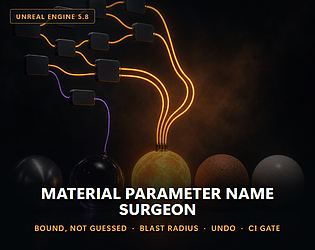
Renamed a material or collection parameter? Carry every Blueprint call still on the old name. Undoable, CI gate.
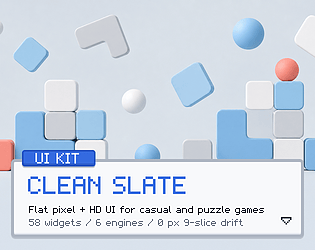
58 flat, light UI widgets in pixel and HD for casual games. Godot themes, Unity, Unreal, GameMaker, MZ, Ren'Py files.
Fixes Unity 6.5's CS0619 GetInstanceID errors: rewrites to EntityId through fields, parameters and dictionary keys.
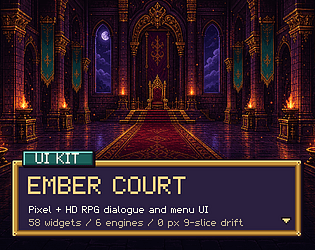
58 pixel and HD RPG UI widgets: dialogue box, menus, bars. Godot themes, Unity, Unreal, GameMaker, MZ, Ren'Py files.
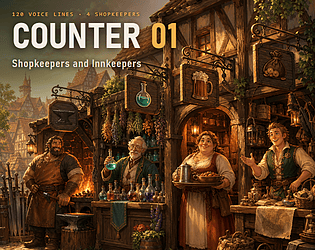
120 AI voiced lines by four fantasy shopkeepers: greet, browse, buy, sell, not enough gold, rumours. WAV + OGG.
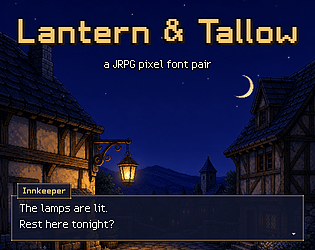
Two original pixel fonts for JRPG screens: a dialogue face and a title face, 197 characters each, .fnt and .ttf.
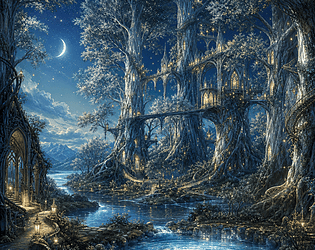
44 track elven fantasy score in two modes: canopy city, deep wood, high court, the old war. MIDI + looping OGG.
103 ball sports SFX: four ladders (crowd, hit power, shot clock, bounce) plus whistles and ball hits. WAV + OGG.
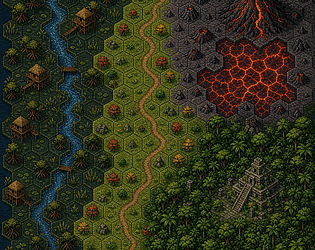
416 pixel art hex tiles: ash, lava, jungle and swamp with every edge, roads, rivers, 8 features. Joins Hex 01.
106 robot SFX: four ladders (footsteps by weight, power, alert, damage) plus servos, sparks and sensors. WAV + OGG.
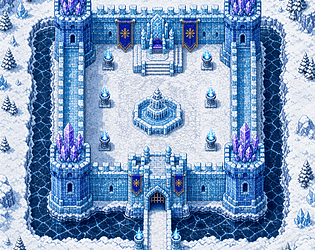
A castle of ice at 16x16: ice walls, glacial towers, crystal spires, a frozen moat. RPG Maker MZ, Tiled, Godot, Unity.
102 underwater SFX: four ladders (depth, sonar, breathing, hull) plus diving gear, a submarine and a wreck. WAV + OGG.
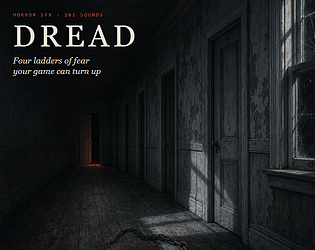
101 horror SFX: four ladders (dread beds, heartbeat, riser, scare) plus an old house at night. WAV + OGG.
Run a canal company where the money is water. Every boat costs the summit a lockful.
Simulation
Play in browser
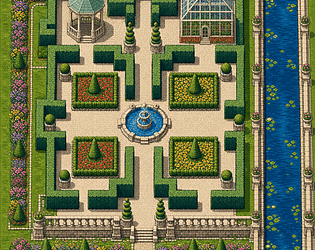
A formal palace garden at 16x16: hedge maze, parterres, topiary, a lily canal. RPG Maker MZ, Tiled, Godot, Unity.
Every door, gate, hatch and cave mouth in your own tileset opens the way it was drawn. No door sprite sheets.
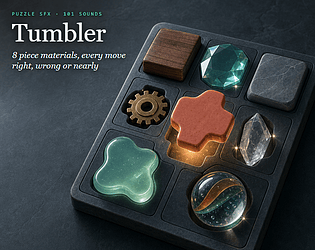
101 puzzle SFX: 8 piece materials, each select, place, correct, wrong, nearly and undo, plus matches. WAV + OGG.
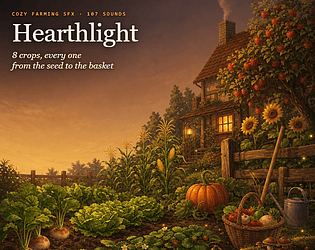
107 cozy farming SFX: 8 crops, each plant, water, grow, ripe and harvest, plus tools, kitchen and home. WAV + OGG.
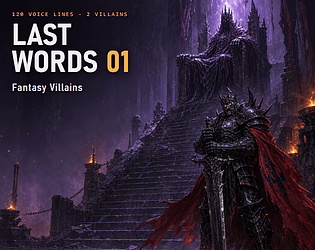
120 AI voiced lines for two fantasy villains: boss intro, taunts, phase change, low health, defeat. WAV + OGG.
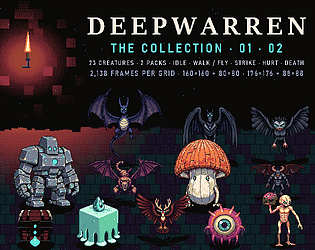
Both Deepwarren packs: 23 dungeon monsters, walking and flying, with strike, hurt and death, 4 directions.
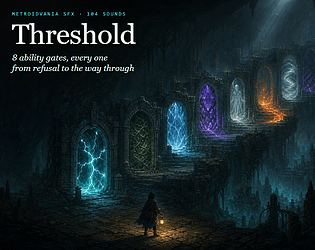
104 metroidvania SFX: 8 ability gates, each idle, refuse, hint, unlock and open, plus abilities and map. WAV + OGG.
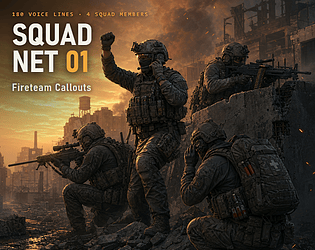
180 AI voiced squad callouts, four soldiers: contact, cover, reload, grenade, man down, extraction. WAV + OGG.
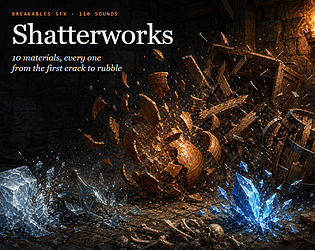
110 breakable SFX: 10 materials, each with stress, crack, light / medium / heavy break and settle. WAV + OGG.
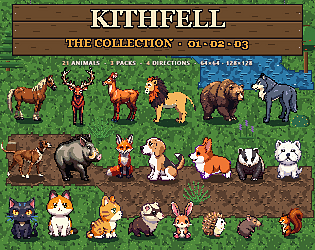
All three Kithfell packs: 21 animal sprites, 4 directions, walk cycles and forage, 128 and 64 px.
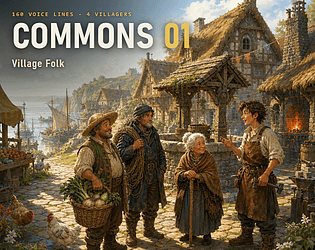
160 AI voiced lines by four villagers: greetings, weather, rumours, quest hooks, festivals, alarm. WAV + OGG.
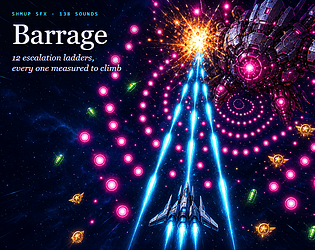
138 shmup SFX: six guns at three power tiers, power levels, chain, graze, boss phases, each a ladder. WAV + OGG.
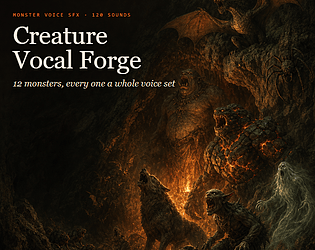
120 monster voice SFX: 12 creatures, each with idle loop, alert, attack, hurt, death and a special. WAV + OGG.
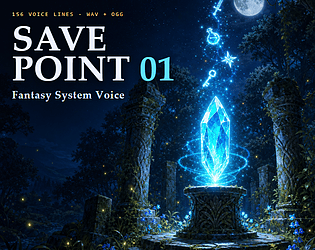
156 AI voiced fantasy system lines: game saved, level up, quests, loot, battle calls, menus. WAV + OGG.
A real-time 1v1 fighting scene for RPG Maker MZ: your actors' SV battlers fight with specials made from their skills.
Tall grass, one way ledges, a route town and a cave for monster tamer RPGs at 16x16. MZ, Tiled, Godot, Unity.
Run a storm-warning office in 1861. Read the wired chart, hoist the cone before the fleets sail.
Simulation
Play in browser
Bridges for 16x16 maps: 9 decks both ways, 1 or 2 wide, intact and broken, plus a ford and stepping stones.
SkiFree-style downhill minigames for RPG Maker MZ: ski, board, sled, mine cart or raft a course the plugin draws.
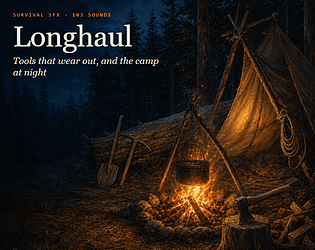
103 survival SFX: tools at fresh, worn and failing, breaks, the campfire, gathering, crafting, meters. WAV + OGG.
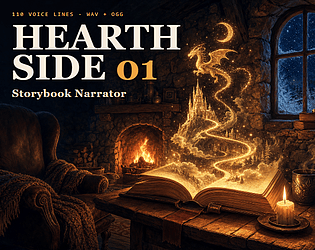
110 AI voiced storyteller lines: openings, chapter one to thirty, quest and lore narration, endings. WAV + OGG.
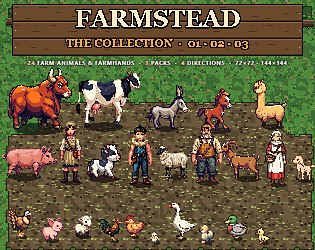
All three Farmstead packs: 24 farm animals and farmhands, 4 directions, walk, graze and flap, 144 and 72 px.
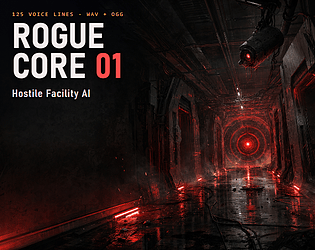
125 AI voiced lines for a hostile facility AI: watching, lockdowns, taunts, bargaining, failing. WAV + OGG, subtitles.
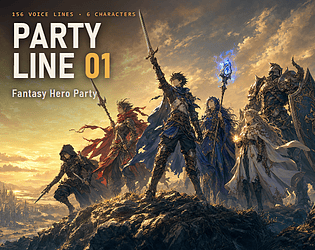
156 AI voiced lines for a six hero RPG party: attacks, specials, hurt, victory, level up. WAV + OGG, subtitles.
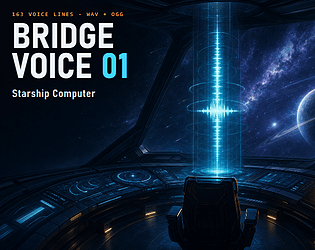
163 AI voiced starship computer lines, calm and alert: docking, jumps, damage, alarms. WAV + OGG, subtitle manifest.
178 AI voiced announcer lines for fighting and arcade games: rounds, KOs, combos, winners. WAV + OGG, subtitle manifest.
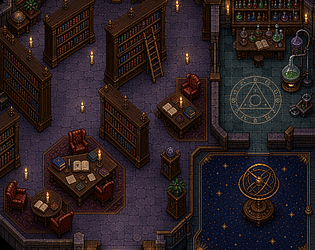
A wizard school library at 16x16: bookcases any height, an alchemy hall, an observatory. MZ, Tiled, Godot, Unity.
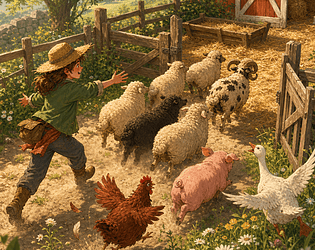
A herding minigame for RPG Maker MZ: drive a generated flock into your pen before the bell. 89 animals, 4 species.
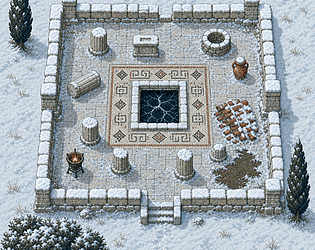
Verdant 23 Ruins under snow, tile for tile at 16x16: frozen cistern, snowy colonnade. MZ, Tiled, Godot, Unity.
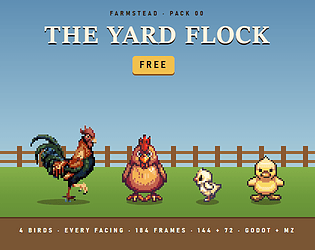
4 free farm birds from the Farmstead series: every facing and animation, 144 and 72 px, Godot and MZ ready.
152 foley SFX: cloth, cloak, leather, mail, plate and a pack moving at 4 gaits, walk loops, moves. WAV + OGG.
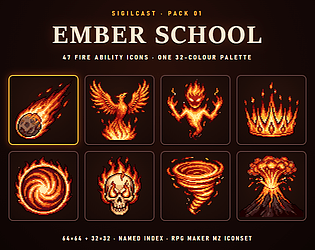
47 fire spell and ability icons at 64x64 and 32x32, one 32-colour palette, a named index and MZ IconSet rows.
Minesweeper over your own picture for RPG Maker MZ: four drawn grounds, every field solvable without a guess.
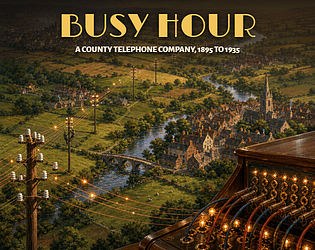
A county telephone company, 1895 to 1935. Staff the boards and size the wires for the busiest hour of the day.
Simulation
Play in browser
Replaces MZ's name screen: names signed, carved, stamped, typed or traced as sigils, plus forgiving riddle answers.
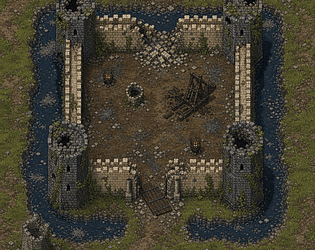
Verdant 13 Castle after the siege, tile for tile at 16x16: breached, burned, overgrown. MZ, Tiled, Godot, Unity.
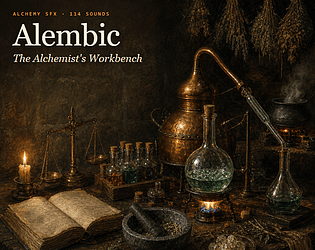
114 alchemy sound effects: pours by viscosity, a brew by heat, glassware, mortar, burner, reactions. WAV + OGG.
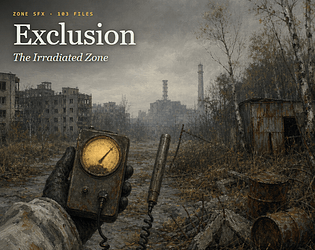
103 post apocalyptic sound effects: a Geiger counter by dose, hazmat kit, rust and scrap, radio, zone beds. WAV + OGG.
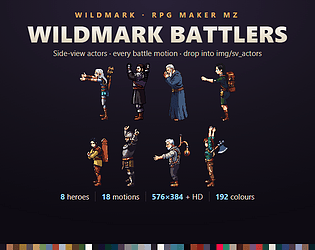
The 8 Wildmark heroes as RPG Maker MZ side-view battlers: all 18 motions, 576x384 sheets plus HD.
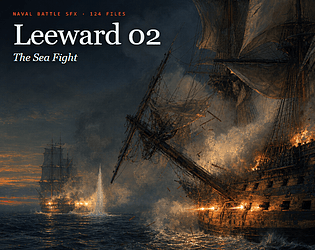
124 naval battle sound effects: incoming shot, hull hits, splinters, fire aboard, boarding, sinking. WAV + OGG.
A brick-breaker minigame for RPG Maker MZ: break a stained-glass pane cut from your own picture to reveal it.
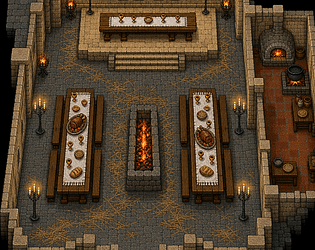
The inside of a castle keep at 16x16: great hall, kitchens, barracks. For RPG Maker MZ, Tiled, Godot and Unity.
Age-of-sail ship duels for RPG Maker MZ: drawn ships, fire on the roll, and every hit drawn into the hull.
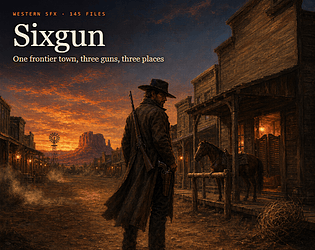
145 western sound effects: three period guns in three places, horses, saloon, dynamite, shootout loops. WAV + OGG.
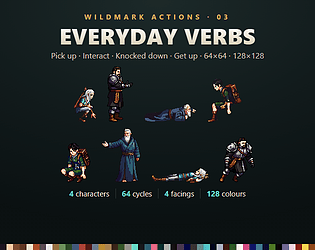
Wildmark Actions 03: Everyday Verbs — pick up, interact, knockdown & get up, 128x128 & 64x64 sprites
Pick up, interact, knocked down and get up for the Wildmark 01 party, all 4 facings. 64 cycles, 128px + 64px.
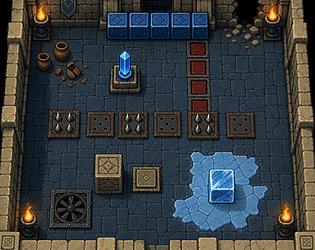
Dungeon puzzle tiles at 16x16: switches, plates, spikes, barriers, breakable walls. Every state, wired for 4 engines.
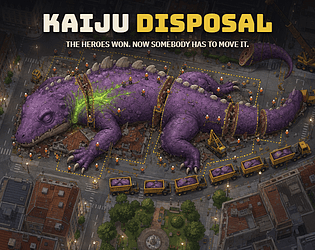
The heroes won. Now somebody has to move it. Cut up a dead kaiju before it rots, swells or glows.
Simulation
Play in browser
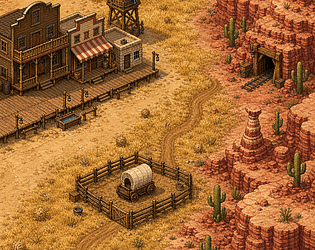
A Wild West tileset at 16x16: boomtown, prairie and red canyon. For RPG Maker MZ, Tiled, Godot and Unity.
Enemies show every hit: cuts, cracks, char, frost and lightning burns generated from their own battler art.
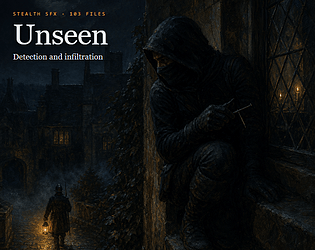
103 stealth sound effects: detection ladder, distractions, lockpicking, cameras, lasers, alarms, takedowns. WAV + OGG.
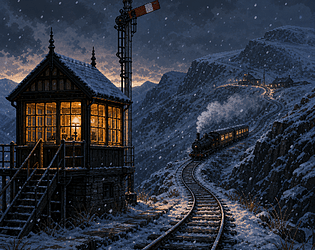
109 steam railway sound effects: locomotive at six speeds, whistles, carriage, station, signal box. WAV + OGG.
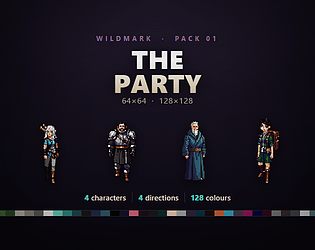
A dwarf, a halfling, a cat folk monk and a horned warlock for the Wildmark party. Idle and walk, four directions.
Silhouettes, close-ups, mosaics and picture boards made from your own icons, battlers and faces. Spell the answer.
133 wuxia and xianxia sound effects: jade, iron, silk and qi. Five Phases, cultivation, flying sword. WAV + OGG.
Jungle, mangrove and tropical isle tiles at 16x16, with moving surf. For RPG Maker MZ, Tiled, Godot and Unity.
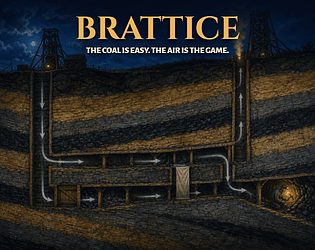
The coal is easy. The air is the game. A free colliery incremental where every road you cut moves the air.
Simulation
Play in browser
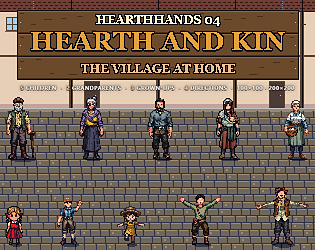
Ten villagers at home: children, grandparents, a household. Idle, walk and a move each, 4 directions. 200px + 100px.
104 natural disaster sound effects: 8 disasters as layered, rampable loops with warnings and accents. WAV + OGG.
108 mine sound effects: pick strikes by rock hardness, minecart, winch, cave-in and three rooms. WAV + OGG.
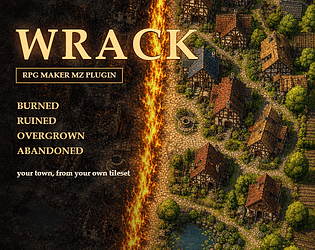
Your own town after the fire, the war or the years, derived from your own tileset. Map files untouched.
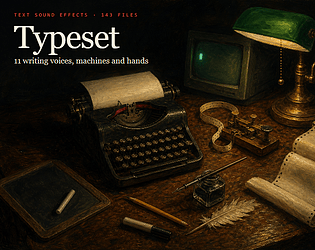
143 typewriter, teletype, terminal, quill, pencil and chalk text sounds for dialogue boxes. WAV + OGG.
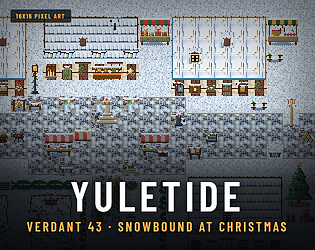
Verdant 43 Snowbound dressed for Christmas: wreaths, lights, gifts and a town tree. Needs Snowbound for the ground.
44 track casual game score in one bright voice: menus, 8 levels with hurry up twins, shop, combos. MIDI + OGG.
A 16x16 factory kit: animated belts in three tiers, inserter arms, machines and ore fields. MZ, Tiled, Godot, Unity.
The farmyard's young at true scale beside the Farmstead adults, on the Farmstead palette, in four directions.
Characters sit, kneel, read, sleep in bed, wave and cheer: every pose made from the walking sheet they already have.
Rest at shrines the plugin draws, raise the fallen enemies, and walk back to the echo that holds what you dropped.
Any map under the sea from one notetag: caustic light, light shafts, swaying kelp, 48 drawn sea creatures, a dive in.
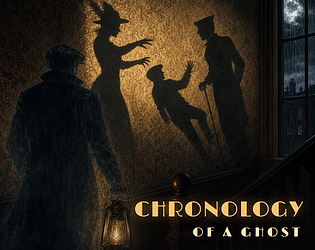
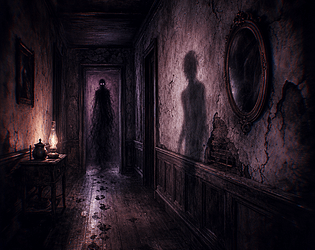
A noir shadow-play mystery. Carry a lantern through a house where the past still plays, and read who did it on the wall.
Puzzle
Play in browser
104 dialogue blips: 13 new speakers for school, modern and cozy games, none a Blip 01 or 02 voice. Same cues.
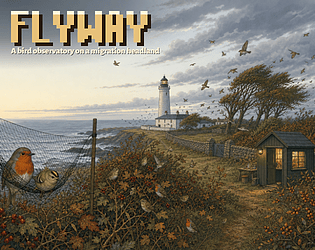
Run a bird observatory on a migration headland. The wind decides who arrives.
Simulation
Play in browser
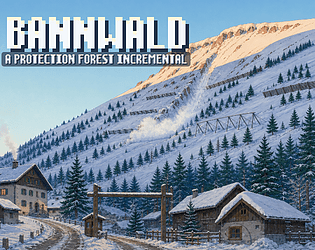
Hold the snow above a mountain village. The forest you plant takes winters to grow.
Simulation
Play in browser
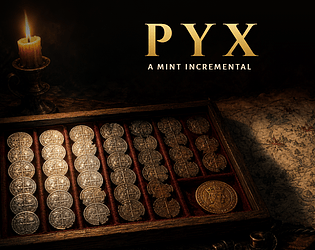
A free mint incremental. Thin the silver for profit, watch light coin drive out the good, and face the trial of the pyx.
Simulation
Play in browser
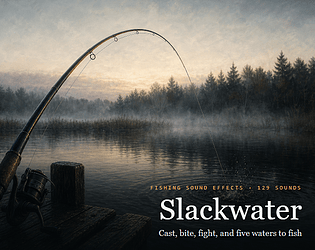
Fishing SFX on 5 waters: cast, bite, a 5 rung drag, the catch by size, ice. Royalty free, commercial use.
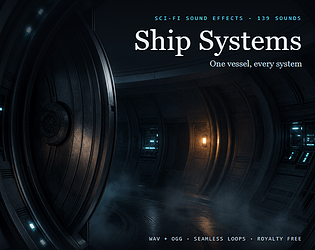
139 sci-fi sounds for one spaceship: console UI, airlock, doors, reactor, drive, shields and alerts. WAV and OGG.
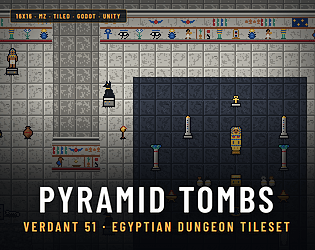
An Egyptian tomb at 16x16: painted wall bands, a burial chamber and sand traps. For MZ, Tiled, Godot and Unity.
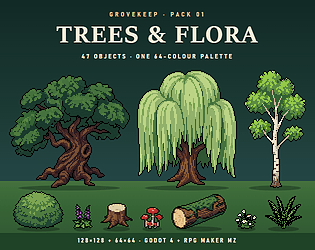
47 trees, shrubs, flowers, fungi and deadwood on one ground line, with Godot and RPG Maker MZ layers.
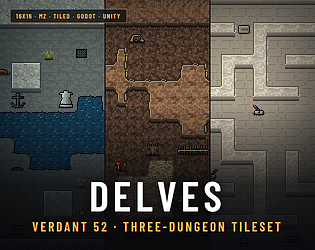
Three dungeons in one 16x16 pack: drowned halls, a goblin warren and a labyrinth. For MZ, Tiled, Godot and Unity.
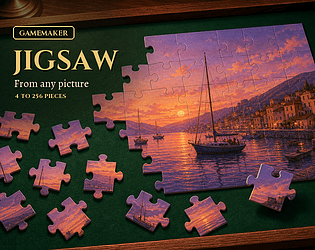
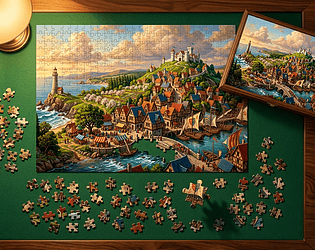
Cut any sprite, background or surface into a 4 to 256 piece jigsaw on a drawn table. Every cut is generated.
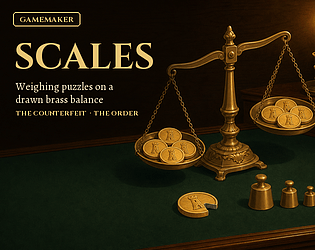
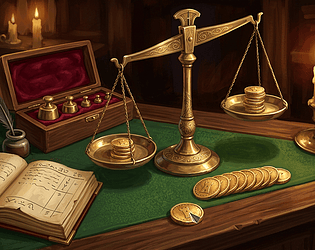
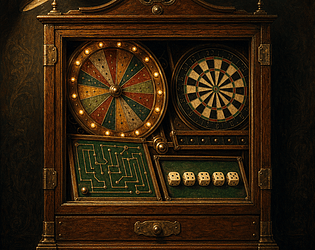
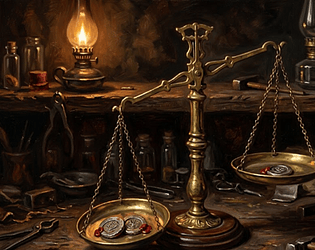
Find the false coin in the fewest weighings, or weigh out an order. A counterfeiter who answers back. All drawn.
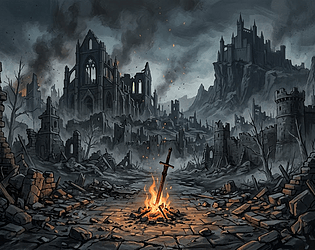
44 track soulslike score. Every loop breathes, near silence to eruption. Bonfire, ruins, nine fights. MIDI + OGG.
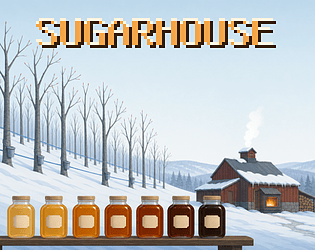
A maple sugaring incremental: catch the freeze and thaw, tap the bush, draw tubing, boil jars for the fair.
Simulation
Play in browser
Claim the board to reveal one of your own pictures: a Qix-style minigame for MZ with three veils drawn in code.
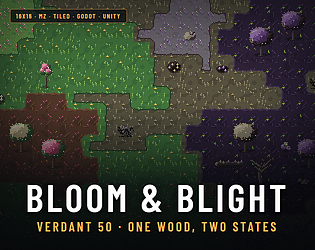
An enchanted wood in two states, tile for tile: blossom groves and their blighted twins. For MZ, Tiled, Godot and Unity.
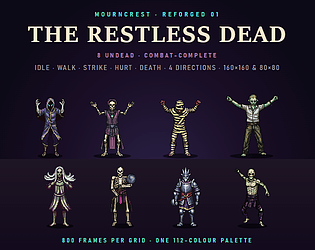
Eight undead, combat-complete: idle, walk, strike, hurt and death in four directions. 160x160 and 80x80.
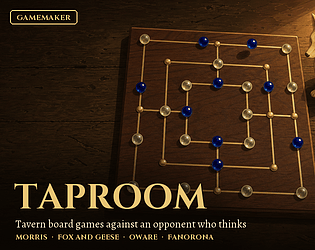
Morris, Fox and Geese, Oware and Fanorona at a tavern table, against an AI at five strengths. Every board drawn.
Typing of the Dead for MZ: foes carry your own skill and enemy names, and typing a word strikes it down.
Game-show quizzes and exams for MZ: the plugin writes the questions from your database and draws six stages.
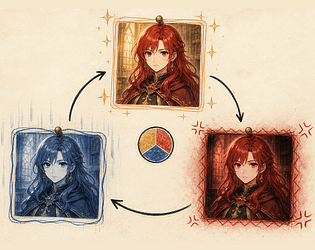
Happy, sad and angry as rock paper scissors in MZ battles, drawn over your own portraits, enemies and battlers.
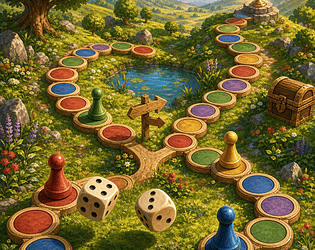
Mario Party-style dice boards for MZ, laid out and drawn by the plugin: forks, warps, rivals and your own event spaces.
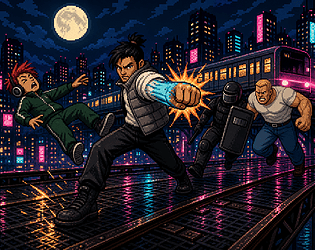
A free beat-em-up down an elevated railway. Draft your combo, and where you set each move decides what it does.
Action
Play in browser
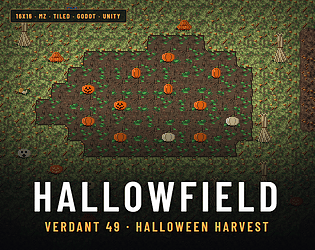
Halloween tiles: pumpkin beds, flickering jack-o'-lanterns, a bubbling witch's cauldron. For MZ, Tiled, Godot and Unity.
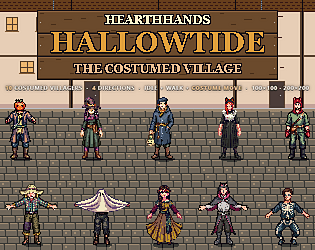
Ten villagers in homemade Halloween costume. Idle, walk and a costume move in 4 directions. 200px + 100px.
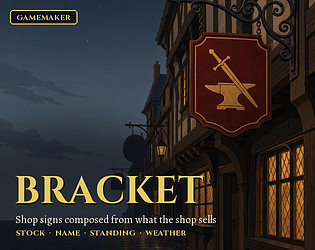
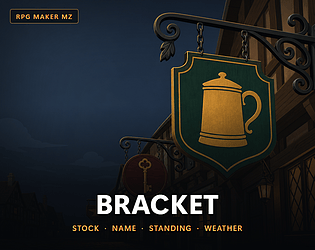
Every shop hangs its own sign: board, bracket, trade mark and weathering read from what it sells. Pure GML.
Class-trial debates for MZ: statements fly as kinetic type and the player shoots the lie with the right evidence.
Every enemy attack becomes a dodge: bullet patterns composed from each enemy's own data, every shot drawn in code.
Rub scratch cards with a coin that wears down, read the colours, upgrade the coin and chase the Golden Ticket.
Simulation
Play in browser
Year 3000. Guide tours through a museum of our junk, invent its history, and keep your story straight.
Simulation
Play in browser
Keep an old chalk hill figure white, then cut your own. Every corner you draw is upkeep forever.
Simulation
Play in browser
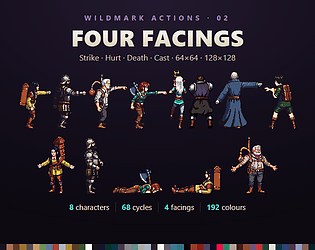
Strike, hurt and death in all 4 facings for Wildmark 02, the party's missing north, and a cast pose. 128px + 64px.
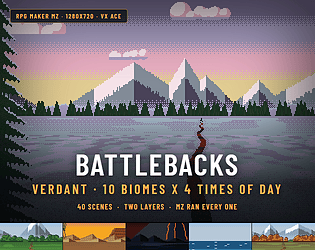
40 pixel-art battle backgrounds: 10 Verdant biomes at dawn, day, dusk and night. MZ, 1280x720 and VX Ace sizes.
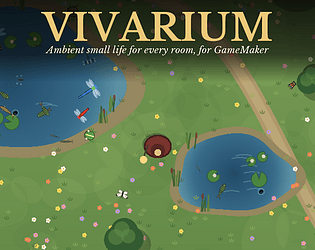
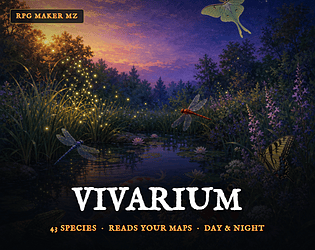
Butterflies, fireflies, dragonflies, frogs and fish placed in your rooms by habitat and time of day. Pure GML.
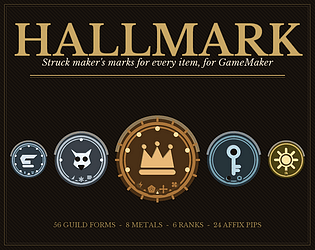
Every item your loot rolls strikes its own maker's mark: 56 guild forms, 8 metals, 6 ranks, 24 pips. Pure GML.
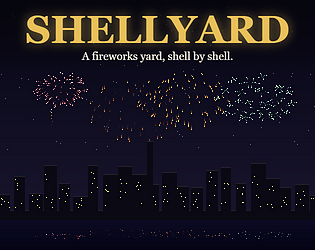
A fireworks yard incremental. Every shed's licence draws a circle no other shed may stand inside.
Play in browser
10 speakers who talk in made up syllables as your text types out. 5 moods, a letter map, 650 files.
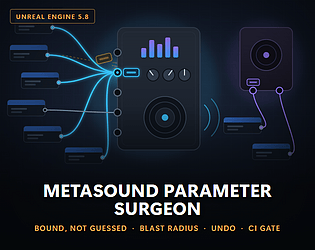
Renamed a MetaSound input? Carry every Blueprint setter and component default still on the old name. Undoable, CI gate.
44 track Halloween score. Every bass note tiptoes. Pumpkin patch, haunted house, crypt, boss. MIDI + OGG.
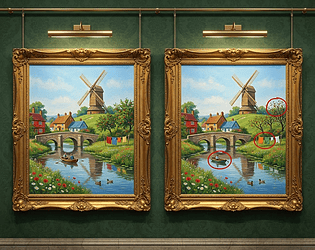
Any picture in your game, hung twice in a drawn gallery with generated differences to find. Every change measured.
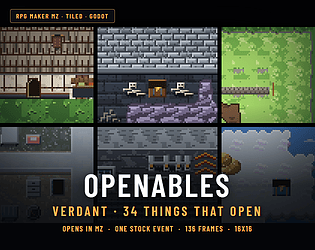
34 doors, chests, gates and hatches that open, in 16x16. RPG Maker MZ event sheets, plus Tiled and Godot tiles.
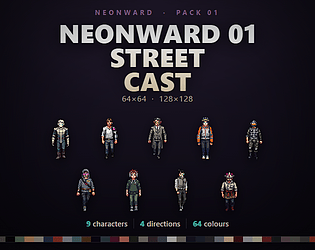
9 cyberpunk street characters: idle + 6-frame walk in 4 directions. 128px + 64px, palette-proven.
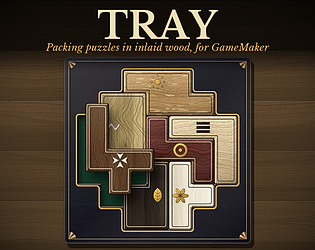
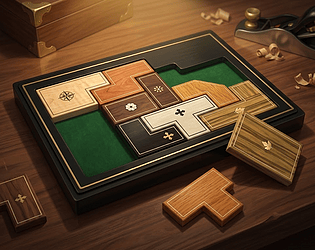
Packing puzzles in inlaid wood: every tray generated, every one solvable, graded by its solver. Pure GML.
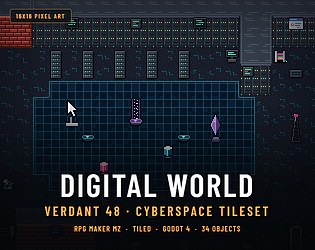
A digital world in 16x16: firewalls, server walls, data streams, 34 objects. RPG Maker MZ A2/A4, Tiled + Godot.
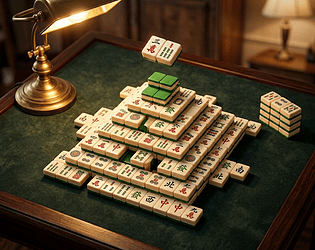
Mahjong solitaire inside your game: 42 drawn tiles in five sets, generated layouts, and every deal can be cleared.
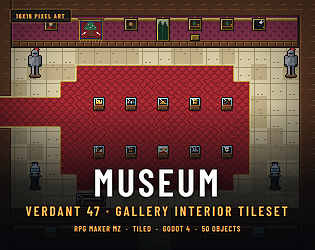
A museum interior in 16x16: gallery walls, 18 generated paintings, 50 objects. RPG Maker MZ A2/A4, Tiled + Godot.
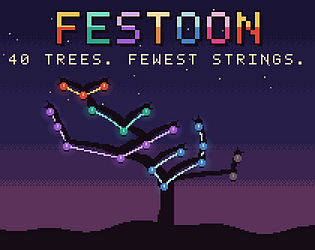
String festival lanterns through forty generated trees. Light every lantern with the proved fewest strings.
Puzzle
Play in browser
Any picture in your game becomes a jigsaw the player solves on a drawn table. Every cut generated, 4 to 256 pieces.
8 woodland animals: idle, 6-frame walk in 4 directions, head-down forage. 128px + 64px, palette-proven.
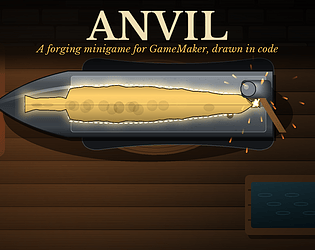
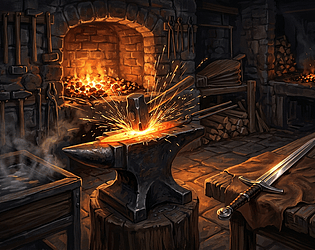
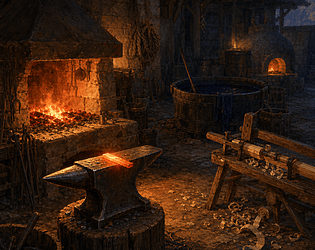
Hammer a glowing bar to a pattern made from your weapon, read the heat, quench at cherry. The forged blade is theirs.
An orc war camp in 16x16: palisade, stockade, war huts, 35 objects. RPG Maker MZ A2/A3/A4, Tiled + Godot.
A hill farm incremental: hefted flocks, drystone walls, and a fell that answers your stocking.
Play in browser
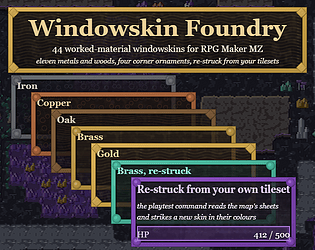
44 windowskins in brass, iron, oak and more, and a playtest command that re-strikes them in your tileset's colours.
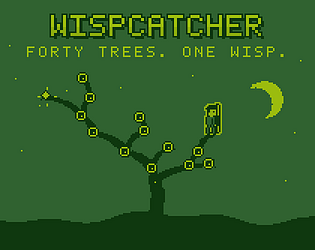
A wisp hops one fork every night. Each dawn you look at one fork. Catch it in the proved fewest dawns.
Puzzle
Play in browser
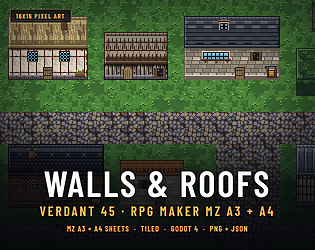
RPG Maker MZ A3 + A4 pages: 16 roofs, 16 walls, 24 wall tops, 24 faces. Plus Tiled + Godot. 16x16.
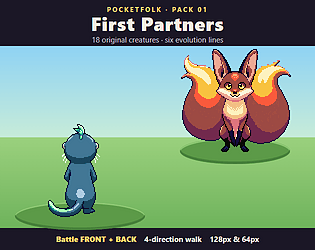
18 original creatures in 6 evolution lines: battle front + back loops, 4-direction walk, 128px and 64px.
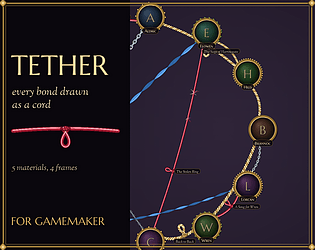
A relationship chart where every bond is a cord: silk, rope, chain, wire or ribbon, frayed, knotted. Pure GML.
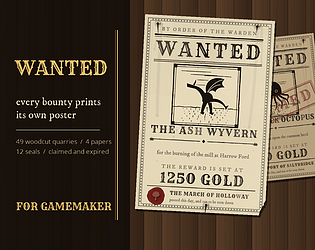
Every bounty prints its own wanted poster, generated: woodcut quarry, wood type, wax seal, aged paper. Pure GML.
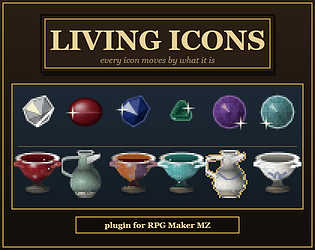
Every icon in your menus moves by what it is: blades glint, gems twinkle, potions bubble, fire flickers. No frames.
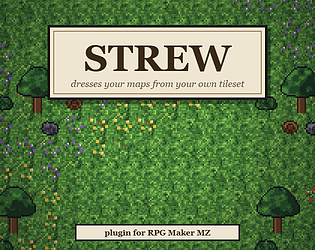
Dresses your hand-made maps from your own tileset in one keypress: flower drifts, rocks by trees, floor variants.
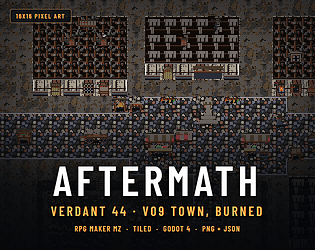
Verdant 09 Town sacked and burned, tile for tile: 510 tiles at the same positions, so a map burns. MZ, Tiled, Godot.
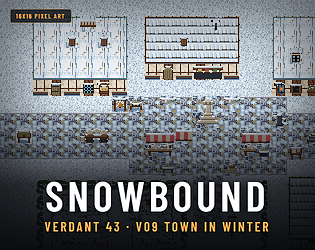
Verdant 09 Town under snow, tile for tile: 510 tiles at the same positions, so a map swaps to winter. MZ, Tiled, Godot.
Lead the night byre's beasts into their own stalls. Each trade costs both beasts' weights, and the least is proved.
Puzzle
Play in browser
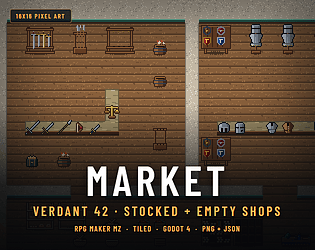
Fantasy shop interiors: 12 fixtures each stocked and empty, 31 wares, 444 tiles for MZ, Tiled, Godot.
An orchard incremental: plant each apple tree beside a partner that blooms when it does, and keep the frost off.
Simulation
Play in browser
11 flying dungeon foes with flight, strike, hurt, death and a shadow layer. 176px and 88px, 96 colours.
104 dialogue blips: 13 new speakers, 13 synthesis methods, none of them a Blip 01 voice. Same cues, same names.
44 track Norse saga score. Every track stands on its tonic drone. Longhall, longship, barrow, battle. MIDI + OGG.
Nine Men's Morris, Fox and Geese, Oware and Fanorona against your NPCs, for gold, on boards the plugin draws.
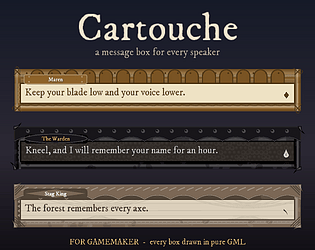
Every speaker in your game gets their own dialogue box, generated: material, frame, corners, nameplate. Pure GML.
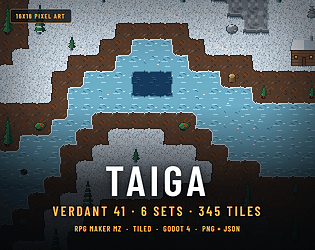
A boreal forest in winter: snow, spruce, duff, lichen, a bog and a frozen river. 345 tiles for MZ, Tiled, Godot, Unity.
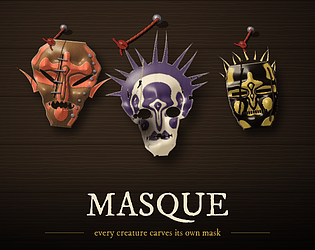
Every enemy and character in your game carves its own lit, painted mask, and the player fills a rack. Pure GML.
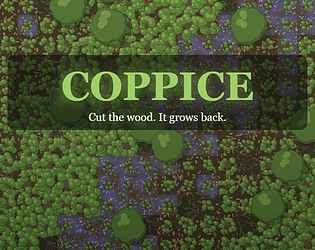
A woodland incremental: cut hazel in rotation, sell what each age gives, and keep every age standing for the wildlife.
Simulation
Play in browser
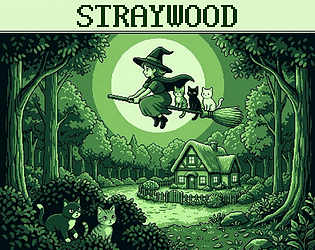
Carry every lost kitten home to the witch's cottage, three on her broom at a time. Who rides together is the puzzle.
Puzzle
Play in browser
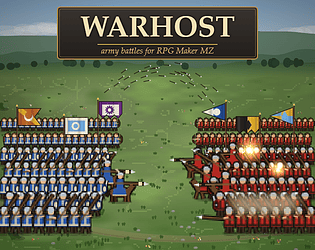
Army battles for RPG Maker MZ: drawn soldiers, banners from names, four formations, routs and a war record.
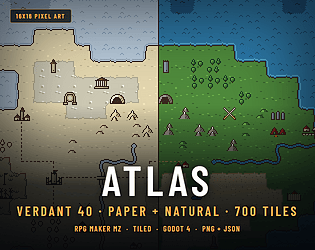
A world map tileset drawn like a chart, in paper and natural colour: 700 tiles, 35 landmarks. RPG Maker MZ, Tiled, Godot
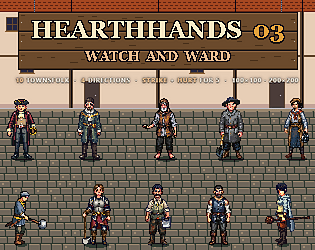
The town guard, the watch and the rest of the town, on the same palette. The armed ones strike and flinch.
A survey incremental: raise trig stations, read the angles, and ink a county sheet by sheet before the fog comes in.
Simulation
Play in browser
Bring a fishing fleet home at dusk, every boat on a mooring of her own. A boat once moored stays. Par is proved.
Puzzle
Play in browser
Battle grounds for your game: each enemy band gets its own earth, shadows, camp and tracks, drawn in code. Pure GML.
A reef restoration incremental: raise coral in a nursery, plant it cell by cell, and keep it alive through the heat.
Simulation
Play in browser
Your side-view battlers, taller: the body lengthened pose by pose at native pixels. No new art, no blur.
A serving rush on your own map: generated diners order, eat, tip or walk out. Dishes drawn from their own names.
Ground meets ground: dirt, sand, stone, water, snow and ash transitions for Verdant 01 and 03. MZ, Tiled, Godot.
Picross for your game: players stitch a generated chart from its clues and keep it as a sampler in a hoop. Pure GML.
Poultry, draught and pack stock with a real GRAZE state, on the Farmstead palette, in four directions.
Generated packing puzzles in inlaid wood: fit every marquetry piece back into its tray. Always solvable.
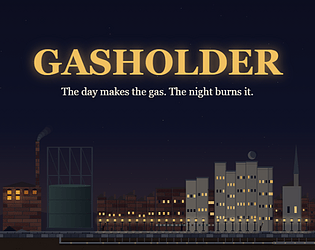
A gasworks incremental: the day makes the gas, the night burns it. Light a town and keep it lit through winter.
Simulation
Play in browser
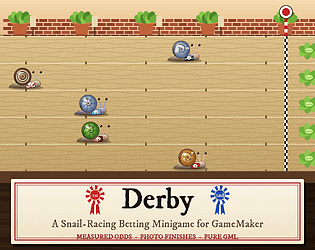
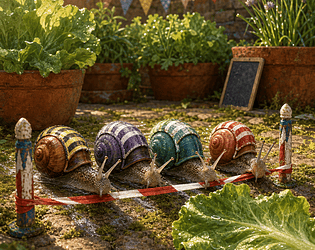
Players read a race card, back a snail to win or place and watch it run. Measured odds, photo finishes. Pure GML.
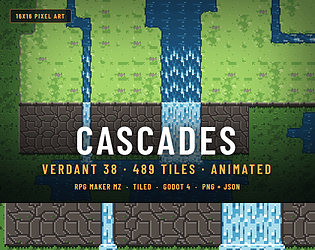
Animated 16x16 waterfalls that stack to any cliff height, plus rapids and plunge pools. MZ, Tiled, Godot, Unity.
A Game Boy roguelike sequel. Kill a generated monster, graft one of its parts onto yourself, and wear its rule.
Role Playing
Play in browser
Forge a glowing bar to a pattern generated from your own weapon, reading the heat by colour, then quench it.
Find the false coin on a brass balance in the fewest weighings, proven by a solver, or weigh out an order.
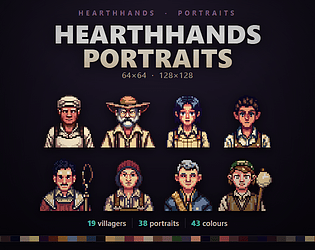
38 pixel-art dialogue portraits for the Hearthhands villagers, neutral and smile, each drawn from its own sprite.
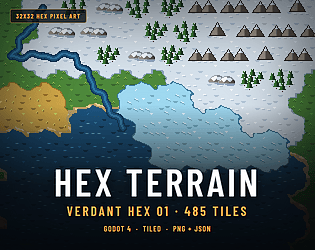
485 pixel art hex tiles: 6 terrains with every edge, roads, rivers, 9 features. Godot paints the coasts.
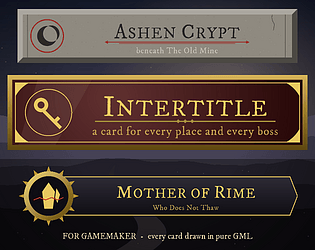
Every place and every boss announces itself with a card drawn from your game's own facts. Pure GML, no images.
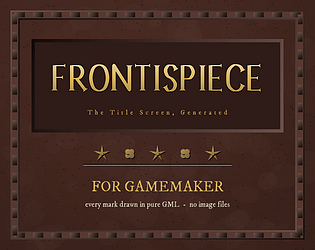
Your game's name cut letter by letter into slate, leather, oak or lacquer, framed, with a menu. Pure GML, no images.
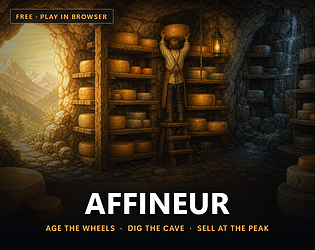
A cheese-cave incremental where time is the ingredient: age every wheel to its peak, then decide when to sell.
Simulation
Play in browser
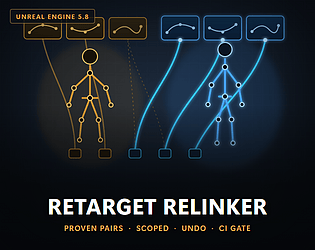
Relink Blueprints, Anim BP defaults, DataTable rows and soft paths to your retargeted animations. Scoped. Undoable.
Trim, retime, mirror (generic rigs too), loop and clean AnimationClips in batch. Exact curves, real .anim files.
44 track open world score. Twelve places written twice, by day and by night, on the same tune. MIDI + looping OGG.
576 footsteps: 12 surfaces, walk/run/sneak/land, light to heavy. Royalty free, commercial use.
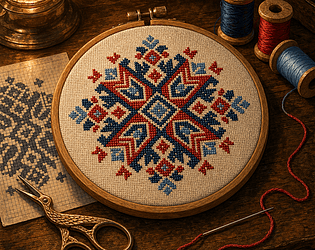
Generated picross charts, proven fair by a solver, finished as a cross-stitch sampler in an embroidery hoop.
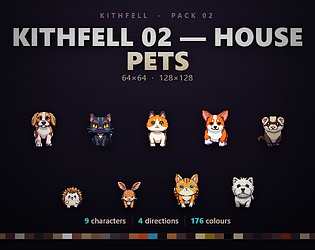
9 house pets, sitting idle + 6-frame walk in 4 directions, 128px and 64px, palette-proven.
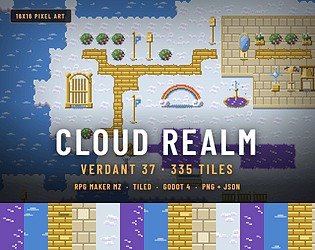
335 tiles: cloud islands in open sky, gilded terraces, a golden gate, a rainbow and pools of light. 16x16.
Raise three windmills so every farm's cart has the shortest road. A mill stays where you raise it. Par is proved.
Puzzle
Play in browser
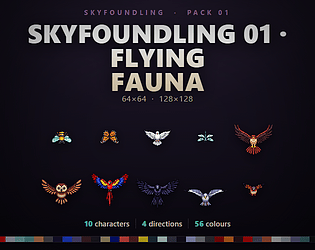
10 birds and insects, 6-frame flap in 4 directions, a ground shadow for every frame. 128px and 64px.
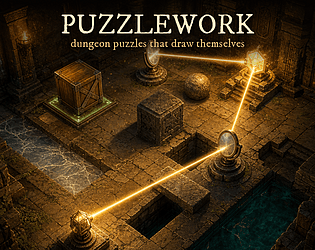
Zelda-style puzzle rooms for GameMaker: push-blocks, ice, pits, boulders, plates, light beams. The room draws itself.
A race meeting to bet on: generated snail runners with real form, garden courses, measured odds and a photo finish.
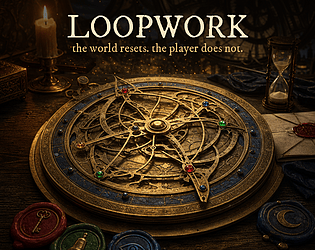
A time-loop engine for GameMaker: facts survive the reset, the rewind is a plan, the Ledger is a brass astrolabe.
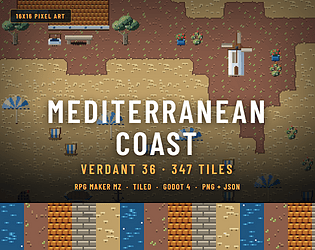
347 tiles: a sunny harbour village with whitewashed houses, a quay, beach, olive trees and a windmill. 16x16.
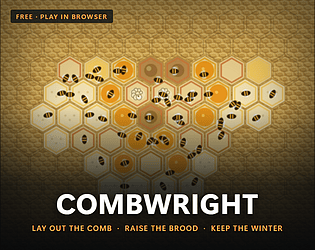
A free beekeeping game: lay out the comb, raise the brood, and keep the colony through the winter.
Simulation
Play in browser
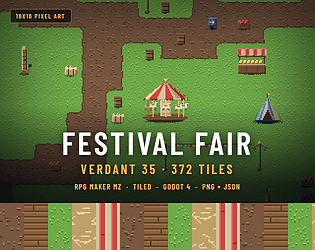
372 tiles: a village fair with tents, stalls, a turning carousel, a stage, marquees and bunting. 16x16.
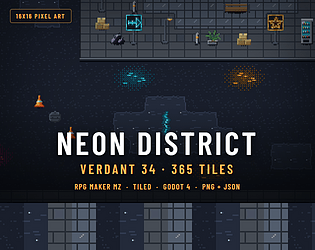
365 tiles: a rain-wet night street with neon signs, light pools, puddles, kerbs and a plaza. 16x16.
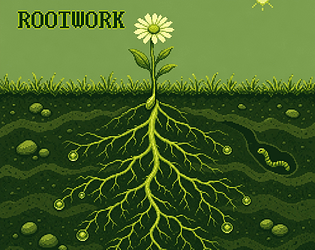
Grow a seed's roots down to every pool of water. Roots never grow up, every cell costs sugar, and the best is proved.
Puzzle
Play in browser
A tavern pin board: stake gold, drop the ball, win a multiple. Generated boards calibrated so no spot can be farmed.
Chip back layered rock with a pick and a hammer to free fossils and relics before the face collapses. Drawn in code.
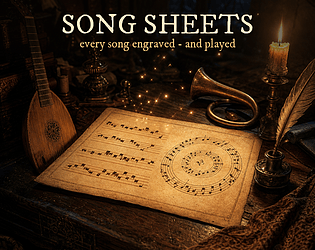
Learnable songs for GameMaker: each melody composed from its id, engraved as a real score, and synthesised to play.
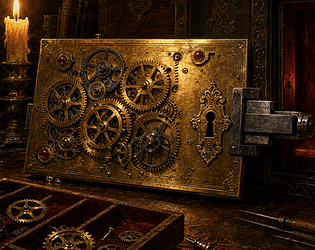
Every lock becomes a brass gear train the player must complete. Generated, always solvable, drawn in code.
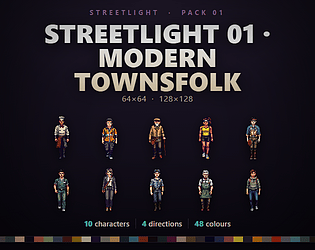
10 modern townsfolk, idle + 6-frame walk in 4 directions, 128px and 64px, palette-proven.
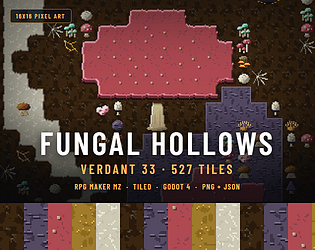
527 tiles: giant caps, mycelium, spore drifts, violet shale, damp rot. 8 complete autotile sets.
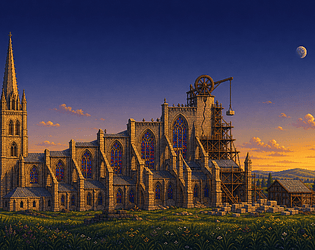
A cathedral incremental. Height is fame, and every vault you turn pushes its own walls outward.
Simulation
Play in browser
Swap a Blueprint component's class project-wide, keeping graph wiring, attachments and child overrides.
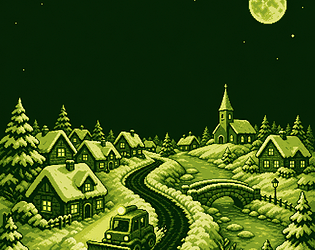
Clear every street of a snowbound village before dawn, doubling back as little as you can. One plough, one tank.
Puzzle
Play in browser
A recap screen no two players share: your run woven as an embroidered frieze. Drawn in GML, no sprites.
Bulk-edit transitions, build states from a clip folder, copy a sub-state machine, rename parameters safely.
198 deckbuilder card table sounds. Draw, shuffle, energy, relics, curses. Royalty free, commercial use.
43 track NES style JRPG score on 2 pulse channels and a triangle that cannot change volume. MIDI + OGG.
Reads your troops and draws the ground each band holds: worked earth, cast shadows, its camp and its marks.
637 tiles: hangar, bridge, reactor deck, bulkheads, conduit, 10 complete autotile sets.
Both Hearthhands packs. 19 villagers, 4 directions, idle, a 6-frame walk and a 7-frame job loop.
Seeded brackets and leagues your game draws, and a coat of arms for every rival. Pure GML.
You carry four engraved marks. Your movement is their sum. No mark is ever shown to you alone.
Platformer
Play in browser
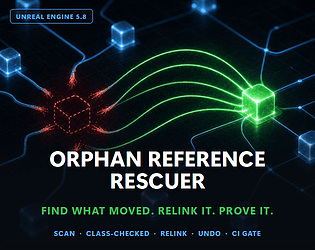
Finds every asset whose source file moved, proves which file it is by MD5, and relinks it reversibly.
An icehouse incremental in a hot country. Your ice is evaporating, and the only thing insulating it is more ice.
Simulation
Play in browser
740 tiles: coved vinyl, theatre flooring, stainless, resin, screens, 10 complete autotile sets.
Cloud shadows derived from your own map, landing by surface: water, roof and grass each lose different light.
150 engine, vehicle and machine SFX. Every motor ships a load ladder, not one loop.
12 JRPG character leitmotifs, each as a theme, a battle, a music box memory and a stinger. 50 tracks, MIDI + OGG.
Generate letter tracing lessons from your own font, in Latin, Cyrillic and Greek.
A GML route chart for branching stories: gold where they walked, fog where they did not, a mark for every ending.
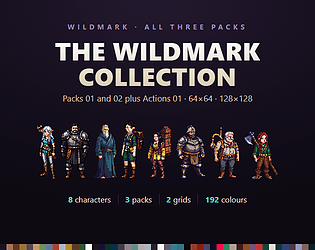
All three Wildmark packs. 8 adventurers, 4 directions, idle and walk. Strike, hurt and death for 4. 128 and 64.
Renames a DataTable row and rewrites every reference to it, then proves it from disk.
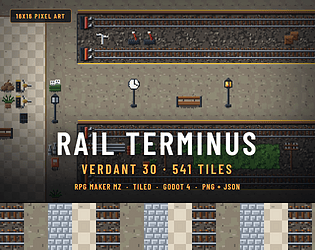
541 tiles: ballast and rail, platform concrete, concourse tiling, setts, weeds and cinder, 7 complete autotile sets.
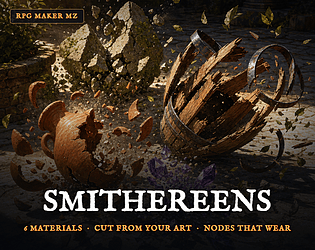
Pots, crates, rocks, crystals, ice and bushes break the way their material would, cut from your own art.
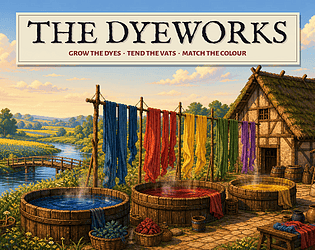
A dye house incremental. Grow the dyes, tend the vats, and match the colour the town ordered.
Simulation
Play in browser
A GML sailing system: wind, points of sail, cargo and storms, drawn on a generated sea chart with six ships.
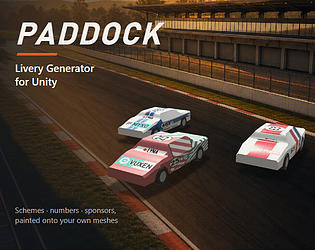
Designed racing liveries for every car in your roster, painted onto your own meshes in Unity.
A GML sanity system for horror: as dread rises, 48 drawn apparitions appear and the screen itself goes wrong.
Relinks every reference to an asset that was moved without a redirector, and proves it from disk.
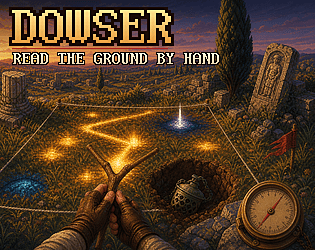
Minesweeper with no numbers. Sweep a dowsing rod, read the ground by hand, dig the relics and leave the shells.
Puzzle
Play in browser
Butterflies, dragonflies, koi, frogs, fireflies and bats, drawn in code and placed by your map. No events to set up.
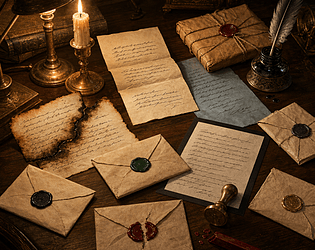
A GML letter system: every letter in its sender's own handwriting, on their paper, folded, sealed and opened.
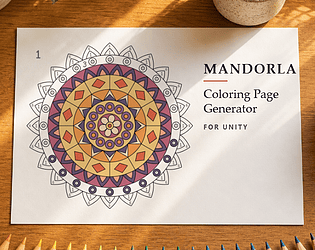
Generate closed-region coloring pages and colour-by-number sets in Unity, or convert your own line art to the same.
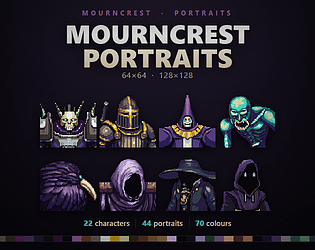
44 pixel-art dialogue portraits for the Mourncrest cast, neutral and fury, each drawn from the character's own sprite.
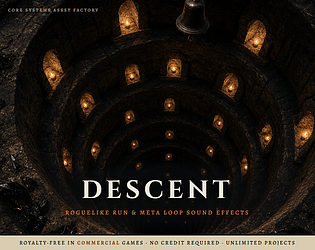
119 roguelike SFX for the run itself: descent, threat, rarity, low HP heartbeat loops, shrines, shop, death. wav + ogg.
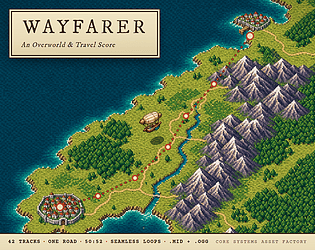
42 track JRPG overworld and travel score: one road theme through every vehicle, hour and weather. MIDI + OGG.
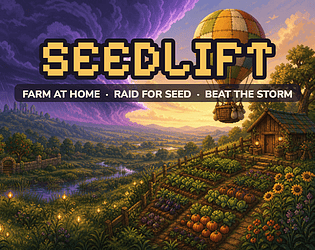
A cozy farm that grows while you raid the wilds for seed. Beat the storm to the balloon lift.
Simulation
Play in browser
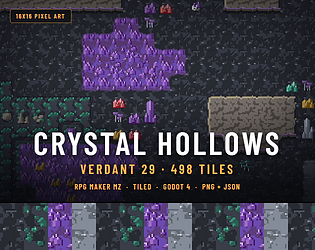
498 tiles: cavestone, glow lichen, amethyst, quartz sand and raised geode walls, 7 complete autotile sets.
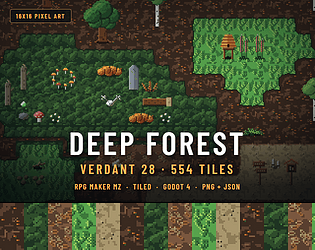
554 tiles: moss, fern, leaf litter, a trail and a raised root bank, 8 complete autotile sets.
Finds node clusters copy-pasted across your Blueprints and turns every copy into one call to a shared function.
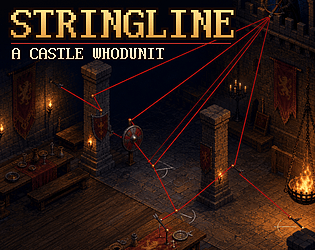
A castle whodunit where every clue is a line you draw. Pull red strings back from crossbow bolts until they meet.
Puzzle
Play in browser
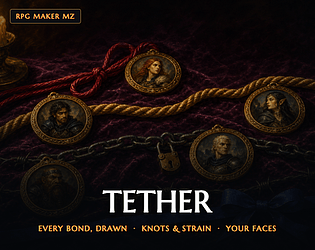
Every bond between your characters, drawn as a cord: silk, rope, chain, barbed wire or ribbon, with knots and strain.
A GML quest system that prints every quest as its own notice: seals, engraved jobs, stamps, age. Choices branch.
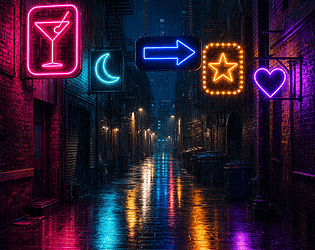
Generated neon signs in GML: bent-glass lettering, boards, frames, glow, flicker, dead letters and wet reflections.
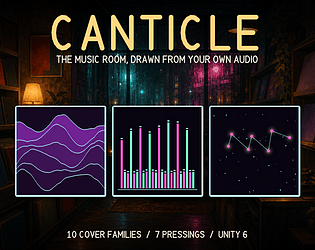
Your game's music room, drawn from its own soundtrack: one generated cover per track, shaped by that track's audio.
Ten more tradesfolk from the Hearthhands village: idle and walk in four directions, and their trade in three.
A racer whose road is the beat. Steer on it and the song, and your car, speed up.
Racing
Play in browser
864 tiles: fire, ice, flora and storm halls, 13 complete 47-mask sets. MZ, Tiled, Godot.
Every map and every boss announces itself with a title card composed in code from its own data. RPG Maker MZ plugin.
Draws the battle pass screen from your own reward table: 61 drawn emblems, 7 liveries, rarity rims. Claim, it redraws.
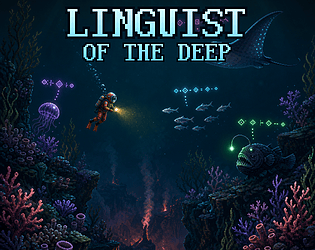
Swim an alien reef, overhear its creatures speak in light, and learn their language. Nothing unlocks but understanding.
Puzzle
Play in browser
Every shop in your MZ game hangs its own sign, composed from what it actually sells. 48 different signs in the demo.
A save system whose every slot is drawn as a printed leaf from the run it holds: device, paper, binding and wear.
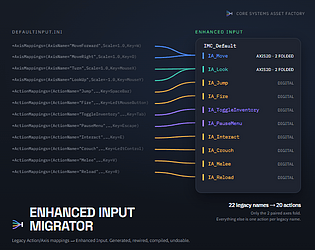
Convert a legacy Action/Axis UE5 project to Enhanced Input, with a journal that undoes it
A calendar that prints itself: months, seasons, moon and festivals drawn as almanac pages and a HUD date plaque.
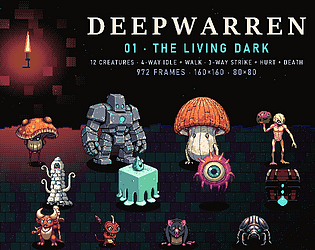
12 dungeon monsters, each with idle, walk, strike, hurt and death. 160px and 80px pixel art, one 44 colour palette.
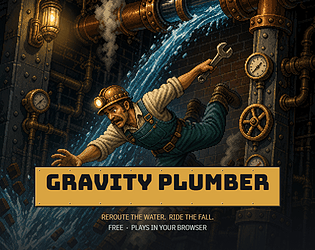
Reroute the water. Ride the fall. A free browser puzzle platformer where the room tips toward its heaviest tank.
Puzzle
Play in browser
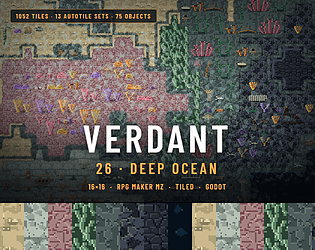
1052 tiles, 13 complete 47-mask sets, 75 objects. MZ, Tiled and Godot importers.
Ground that burns, freezes, floods and conducts: fire, ice, oil, lava and lightning on one drawn surface.
One world, drawn four times over. Turn the season and hold it — the year pulls back the whole time.
Adventure
Play in browser
42 track survival horror score: one lullaby in every room of a haunted house. Seamless loops, MIDI + OGG.
144 medieval combat impacts filed by what hits what: 8 weapons x 6 armours, wav + ogg, royalty free.
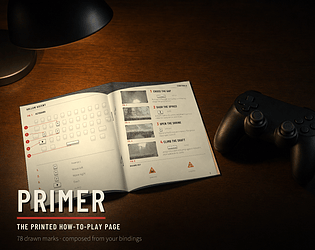
A printed how-to-play spread drawn from your own input bindings and tutorial steps. It redraws when a key is rebound.
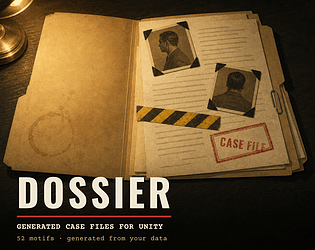
Your mystery game's suspects, clues and statements, typed up as a drawn case file spread. 52 motifs, drawn in code.
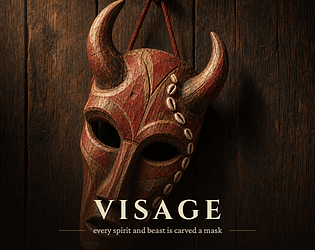
Every enemy and actor in your database is carved a mask, generated from its own record. 56 in the demo.
Repair broken Level Sequence bindings across a whole tree of shots without opening one of them.
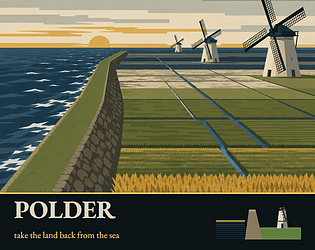
Take the land back from the sea. A free browser incremental where water is terrain, not a counter.
Play in browser
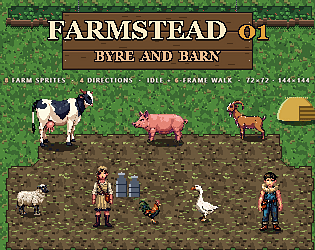
The livestock a farm scene actually needs, in four true directions, on one locked palette.
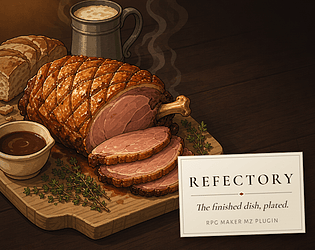
Your cooking system makes a dish. Refectory draws it: a plated meal, on a table, with a menu card.
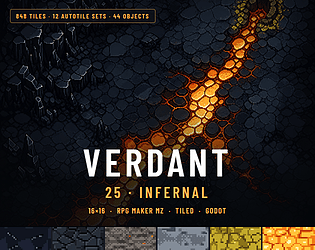
848 tiles, 12 complete 47-mask sets, 44 objects. MZ, Tiled and Godot importers.
One corrupt package makes UE emit 1,000+ errors. Exactly one is true. This finds it, proves the rest false, fixes it.
A winter railway where capacity is signalling, not mileage. One train per block section. Two is a wreck.
Play in browser
42 track Game Boy adventure score written to the real 4 channel budget. Never more than 3 notes at once. MIDI + OGG.
A Game Boy deduction game. Read a cut bank of layered ground and prove which events came before which.
Puzzle
Play in browser
Draws the places your party has heard of but never entered, read from your own dialogue and quests.
Six goblins and four orcs in one style, drawn at true size beside each other. Idle and a 6-frame walk, four ways.
132 game sounds for tower defense. 8 escalation ladders, mechanically proven to rise. Free demo.
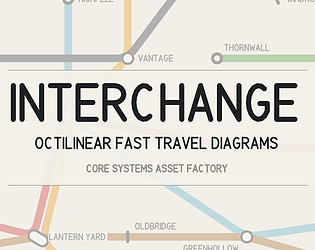
Turns your fast-travel graph into a drawn transit-style route diagram. Unity 2022.3+, no textures, no shaders.
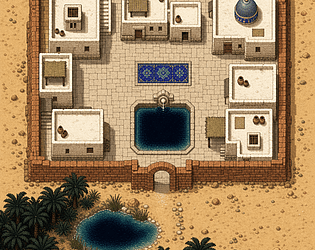
640 tiles, 11 complete 47-mask autotile sets, an animated oasis. MZ, Tiled and Godot importers.
Rename a Niagara user parameter and Unreal silently creates an orphan nothing reads. This audits your call sites.
The ground burns, freezes, floods and conducts, and every tile remembers.
A plant that thrives shades the ones beside it. The bed you laid out perfectly stops working because it worked.
Simulation
Play in browser
108 synthesised spell sounds. 6 elements, each with the same 12-stage casting chain.
42 track neon city score. Skyline, street, rain, alley, club, netrun, chase, tower. Editable MIDI.
A wood-fired kiln incremental whose score is a shelf of pots that will never exist again.
Simulation
Play in browser
Draws your world-event records as an illuminated chronicle page. 58 hand-authored marks, 7 media, no images.
Your menu, item list and status page redrawn as a ruled ledger. 50 drawn letterforms, 24 devices, six houses.
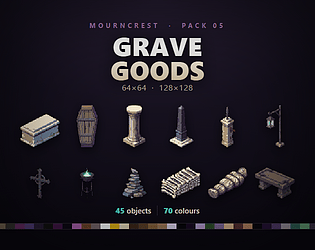
45 static graveyard props on one shared scale. Every pixel proven inside a 70-colour palette.
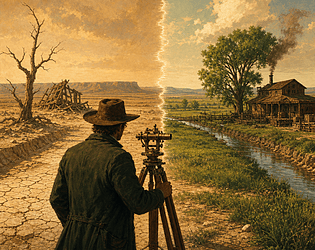
A resurveyor re-stages 1873 and watches 1899 redraw. Free browser demo, paid Windows build.
Adventure
Play in browser
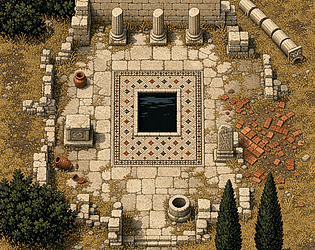
698 tiles, 12 complete 47-mask autotile sets, a mosaic plaza. MZ, Tiled and Godot importers.
Finds every hardcoded colour and font in your Widget Blueprints, shares them from one asset, and gates drift in CI.
A courtroom brawler. Objections are parries. Hitting opposing counsel works, and costs you.
Play in browser
Draws the face of every card from your own skill and item data. 12 builds x 8 cuts x 6 stocks, engraved, no image files.
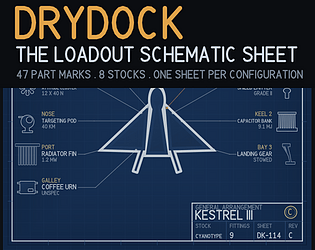
Draws a technical schematic of the player's craft from your own parts list. 47 part marks, 8 stocks, zero images.
Bullet patterns for GameMaker where every shot's art is computed from the pattern that fired it.
You start at level 99. Every boss you beat, the cairn takes one of your powers and gives it to what is below.
Play in browser
689 tiles, 12 complete 47-mask autotile sets, a flowing channel. MZ, Tiled and Godot importers.
The three states character packs leave out. Strike, hurt and death for the Wildmark cast, in three directions.
A match-3 where the board is your mech. Getting hit shatters the plates where it lands.
Puzzle
Play in browser
Your bestiary has beetles in it. This draws them: 224 specimens from an untouched database, no image files.
A real time JRPG battler whose only input is where your four characters stand.
Strategy
Play in browser
Rename a UPROPERTY and Unreal silently drops the data. This generates the redirects that keep it.
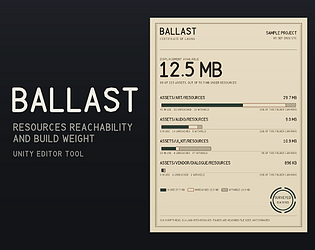
Cut the Resources folder out of your Unity build, and prove the bytes.
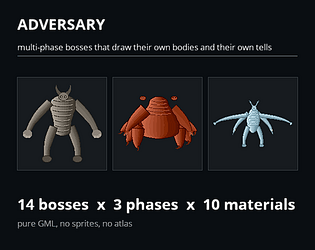
Bosses that draw their own bodies AND their own attack telegraphs from the same numbers. Pure GML, no sprites.
783 tiles, 12 complete 47-mask autotile sets, 42 objects. MZ, Tiled and Godot importers.
Three minutes of an overture, played over and over. Only what you work out survives.
Puzzle
Play in browser
Reorder a collision channel and Unreal silently repoints your assets. This puts every one back.
Your calendar plugin does not draw anything. This does: 12 engraved months, 48 leaves, no image files.
10 animated pixel VFX at 128 and 64px, each with its frame rate, loop flag and impact anchor declared.
750 tiles, 12 complete 47-mask autotile sets, 36 objects. MZ, Tiled and Godot importers.
Cut your leaderboard into a carved stone monument. 48 hand-authored marks, 7 stocks, no image files.
NPC schedules for GameMaker where the visible half is the product: 46 work loops, drawn in pure GML.
Your gold is a number. This draws the coins: 36 devices, 8 metals, 6 flans, 72 letterforms, no image files.
One row of five cards. You and the end of the world draft from it. Every card is a ward, or a horror.
Card Game
Play in browser
A cute'em up where every enemy wears its guns on the outside. Read the ship in the half second before it fires.
Shooter
Play in browser
748 tiles, 12 complete 47-mask autotile sets, 34 objects. MZ, Tiled and Godot importers.
A metroidvania with no keys and no items. Every door was already open to somebody who knew where it was.
Platformer
Play in browser
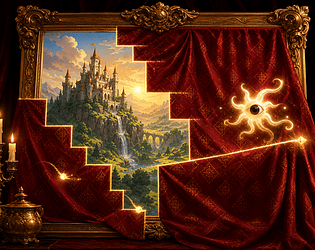
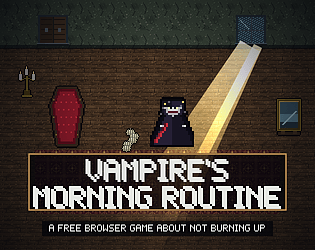
Dawn is coming. Shut every window, drape every mirror, get in the coffin. The sunlight is a real, bendable beam.
Play in browser
Your fishing plugin does not draw the fish. This does: 96 silhouettes, 11,520 specimens, no image files.
Nine village tradesfolk who actually do their job: idle and walk in four directions, and their trade in three.
Export every Material Instance parameter override to one CSV, edit it in a spreadsheet, import it back.
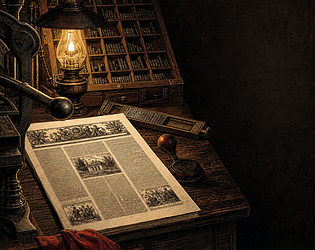
Your event log becomes a printed broadsheet. 74 drawn woodcuts, six presses, and not one stored image.
799 tiles, 13 complete 47-mask autotile sets, 35 objects. MZ, Tiled and Godot importers.
741 tiles, 12 complete 47-mask autotile sets, 33 objects. MZ, Tiled and Godot importers.
Draws the workplace each trade needs and puts the NPC to work in it. 24 trades, 8 worked grounds, no image files.
Eight minigames for GameMaker. Every board is generated - no sprites, no atlas, no PNG anywhere.
A narrator describes the room. His sentences are not true until you accept them.
Adventure
Play in browser
A JRPG where the lantern is your light, your fuel and your information. When it goes out, you are guessing.
Role Playing
Play in browser
Bodies, garments and armour for GameMaker, drawn in pure GML from what a character is and what they wear.
A different message box for every speaker, built from who is talking. 40 materials, 26 corners, no image files.
678 tiles, 11 complete 47-mask autotile sets, 27 objects. MZ, Tiled and Godot importers.
You have no weapon. The garden shoots. Harvesting a plant pays you and takes its covering fire away.
Action
Play in browser
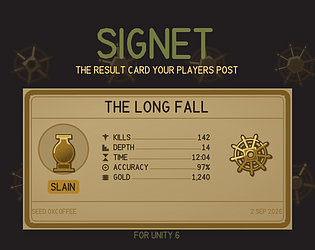
At the end of a run, Signet composes a struck metal result card from that run's own numbers, ready to post.
490 tiles at 32x32, 8 complete 47-mask sets, 26 objects. Godot + Tiled. No MZ.
Replaces the MZ save screen with printed leaves, each generated from what that save actually contains.
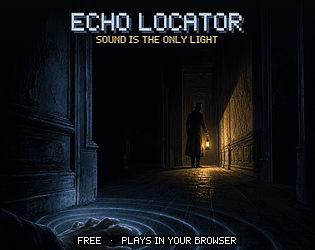
A pitch-black stealth game where sound is sight: every noise you make draws the room and gives you away.
Adventure
Play in browser
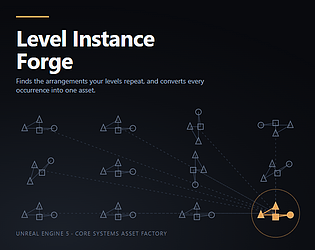
Find the actor arrangements your levels repeat, and convert them all to Level Instances at once.
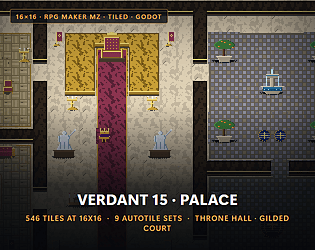
546 tiles, 9 complete 47-mask autotile sets, 21 objects. MZ, Tiled and Godot importers.
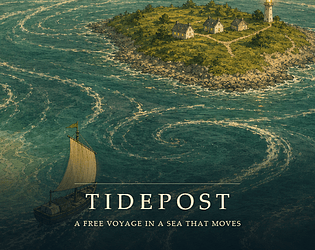
Carry the mail between nine islands across a real current field. The ocean is the mechanic, not the backdrop.
Simulation
Play in browser
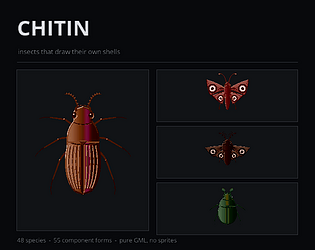
48 insects for GameMaker, drawn in pure GML from numbers, with the field layer and cabinet that make it a game.
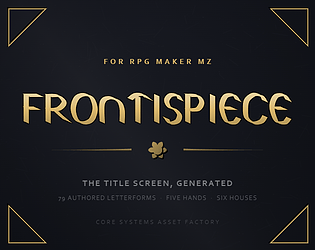
Generates your title screen: the title CUT from 79 authored letterforms into worked stone, vellum, leather or steel.
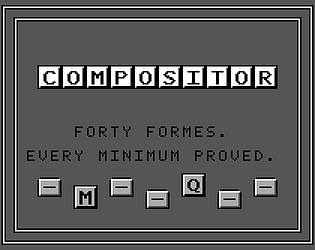
A Game Boy type-setting puzzle. Push lead sorts until the line reads. Every forme ships its proved shortest setting.
Puzzle
Play in browser
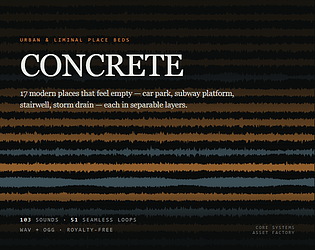
17 urban and liminal places, each a seamless bed plus layers you fade at runtime. Royalty-free, free demo.
13 escalation ladders and 31 cues for clickers and idlers. The feedback climbs with your multiplier tier. Free demo.
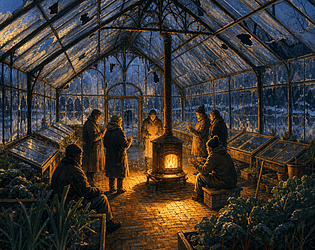
Keep a derelict glasshouse alive through one winter. The heat in the room is made of the people in it.
Simulation
Play in browser
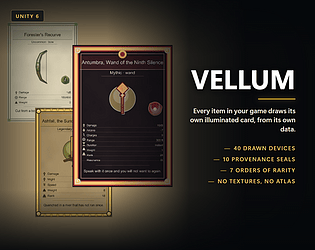
Every item in your game draws its own illuminated card, from its own data.
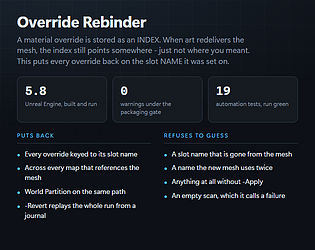
Put per-actor material overrides back on the slot they were set on, after art redelivers the mesh.
24 dungeon mechanisms with whole lifecycles: start, loop, stop, locked. 22 seam-proven loops. Royalty-free, free demo.
Six ships in the dark and one lamp. Every case is generated, then proven to have exactly one answer.
Puzzle
Play in browser
635 tiles at 16x16. Office, lobby, corridor and studio, with 11 complete 47-mask sets.
A typing roguelite in a letterpress shop. You do not have a word list, you have a type case.
Action
Play in browser
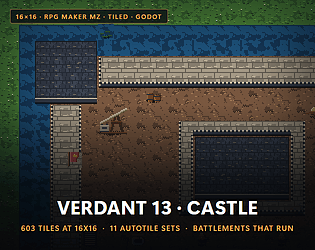
603 tiles at 16x16. Crenellated walls that run unbroken in every direction, 11 complete 47-mask sets.
Generates every character's HUD plate as worked metal: real rims, struck devices, gauges that end in something.
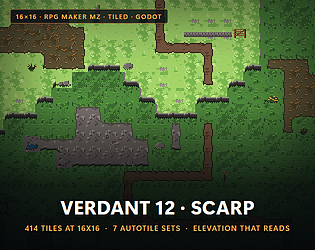
414 tiles at 16x16. Elevation that reads at sixteen pixels, 7 complete 47-mask sets, MZ, Tiled and Godot importers.
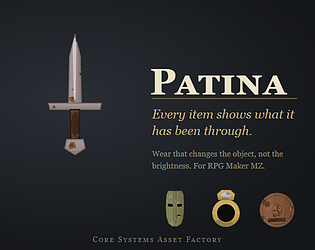
Draws every weapon and armour as the object it has become. Wear that changes the shape, not the brightness.
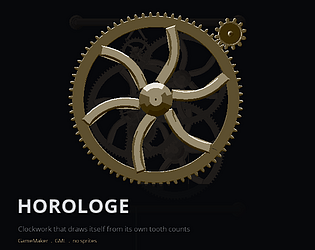
Clockwork for GameMaker computed from tooth counts and drawn in pure GML: 12 machines, 66 component forms, no sprites.
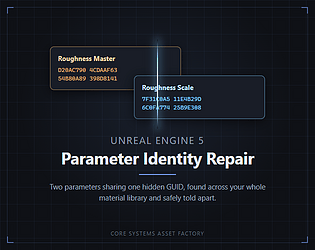
Finds material parameters sharing one hidden ExpressionGUID, and safely re-mints them. UE 5.8.
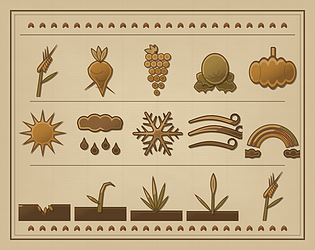
The illustrated year, drawn from your own season and crop data. 62 hand-authored marks, no PNG anywhere.
42 track combat score. Encounters, elites, duels, siege, four bosses, a three phase finale. Editable MIDI.
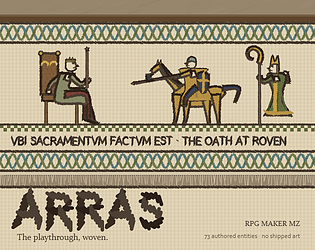
Weaves what your playthrough did into a Bayeux-style embroidered frieze. 70 authored entities. RPG Maker MZ.
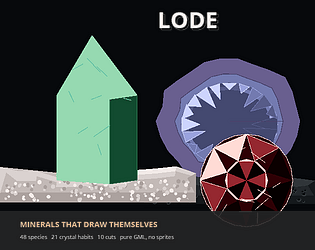
Ore, gems and specimens generated in pure GML: 48 species, 21 crystal habits, 10 cuts, drawn from a seed.
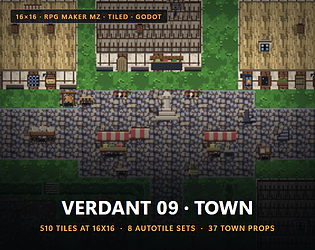
510 tiles, 8 complete 47-mask autotile sets, 37 town objects. MZ, Tiled and Godot importers included.
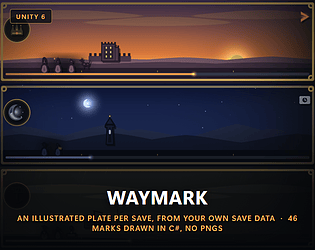
An illustrated save-slot plate drawn from your own save data. 46 marks, 8 hours, no PNGs.
497 tiles at 32x32. Two ground levels, 8 complete 47-mask autotile sets, 26 objects, animated water and fire.
Every ship in your project drawn as a shipwright's draught: lofted hull, rigging, paint, damage. RPG Maker MZ.
A tower defence whose towers never shoot. Hang bells; where two rings touch, a spark is born.
Strategy
Play in browser
Forty assay problems for the Game Boy. The docket grants the proved minimum weighings, never one more.
Puzzle
Play in browser
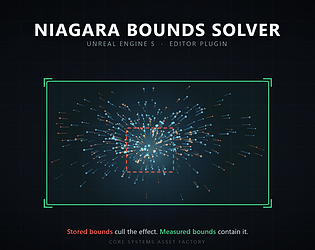
Simulates every Niagara system, takes the union of its bounds over the whole lifetime, and writes FixedBounds in batch.
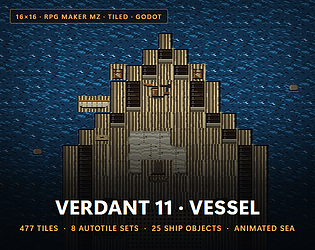
477 tiles of working ship. 8 complete 47-mask autotile sets, animated sea, 25 objects, and MZ / Tiled / Godot importers.
Thirty-seven weapon forms drawn in GML, and a history layer that changes them as they are used.
A soda works on a drying salt lake. The brine is finite, it moves, and the works has to follow it.
Simulation
Play in browser
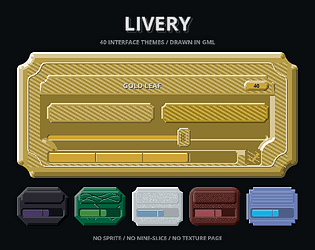
40 complete interface themes for GameMaker, drawn in GML. No sprite, no nine-slice.
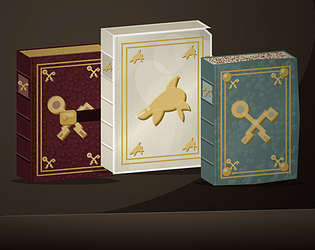
Every book in your database drawn as a bound volume: leather, raised bands, gold tooling, clasps. RPG Maker MZ.
The ground gives more every winter. You pay for it out of the things you can still be moved by.
Simulation
Play in browser
A complete cooking system for GameMaker that draws every dish it makes. Pure GML, no sprites, no image files.
Every death your game records carves its own marker, cut and weathered from who died.
Lay out every Blueprint graph in your UE5 project in one pass, reviewed as a before and after diagram.
Every gem in your database drawn as a real cut stone: facet geometry, one fixed light, no PNG. RPG Maker MZ.
A different illuminated journal page for every quest, drawn from your own quest data. 80 forms, no bitmaps.
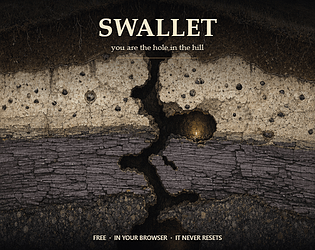
You are the hole in the hill. Cut chambers, set wards, and decide who gets back out. Free, and it never resets.
Simulation
Play in browser
Generate a mystery, draw every exhibit, and let the engine find the contradiction. 220 plates, pure GML.
Everywhere the party walked, redrawn as a hand-inked survey: relief, woodland, rivers, roads. No PNG.
470 tiles of peat bog. 8 complete 47-mask autotile sets, animated blackwater, and MZ / Tiled / Godot importers.
Finds every asset whose source file moved or vanished, matches it back, writes the path. Previews first.
A Game Boy Color game about catching forged paintings. Change the lamp until the pigment gives itself away.
Puzzle
Play in browser
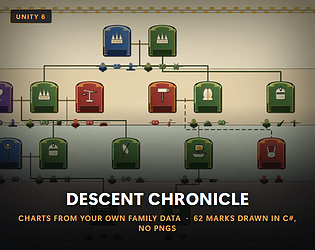
Illuminated dynasty charts drawn from your own family records. 62 hand-authored marks, no textures.
Spread a fungal network through a forest floor. Digest what you reach. It never wipes your board.
Simulation
Play in browser
An invented writing system your player learns to read. 36 letters, six families, proven readable at 14 pixels.
Creates and wires the six to ten assets every new item needs, from an editable recipe. Previews first.
Paint terrain in your browser and watch a complete 47-mask autotile set resolve every corner, live.
Run in browser
Six Game Boy cartridges in one collection. Play every one in your browser; buy the real ROMs.
Puzzle
Play in browser
Re-import a CSV without destroying editor edits. Merges per cell, previews first, and can be undone.
An indirect god game where your only lever is the moon. Set the orbit; the tide does everything else.
Simulation
Play in browser
A night telegraph operator on a single-track railway. Key the order out by hand before the trains meet.
Simulation
Play in browser
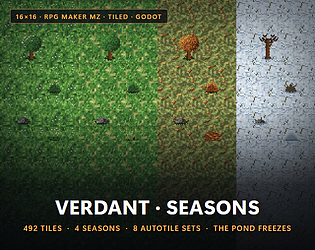
492 tiles. One meadow in spring, summer, autumn and winter. One 16x16 grid, one palette. The pond freezes.
Every potion is thrown its own pot. 14 wheel forms x 12 glazes that pool, craze and drip. No PNG.
Tell it what the room is for and who lives there. It furnishes the room. Pure GML, 72 generated forms.
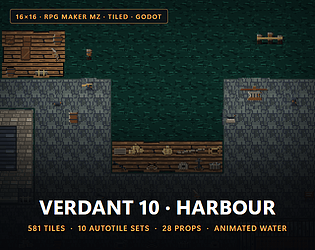
581 tiles, 10 complete 47-mask autotile sets, 28 objects, animated water. MZ, Tiled and Godot importers.
Illustrated character sheets, generated from the stat block you already have. 48 emblems, 24 charges, drawn in C#.
A Game Boy cartridge. Survive inside a guilloche rosette as the lathe cuts it around you.
Action
Play in browser
Set, swap and tag actors across every map in your UE5 project. Previews first. Journals every write.
A herding dog, a draught horse, a brown bear and a lion. Four true directions, nine-frame walks, two native grids.
104 dialogue blips. 13 speakers built from 13 different synthesis methods, not one blip pitched 13 ways.
104 weather sounds in 8 systems. Separate loopable layers you mix to ramp intensity. WAV + OGG.
A GameMaker town that builds itself: 44 authored forms, and every facade is composed from the settlement's own state.
42 track sea score. Harbour, night watch, fog, squall, wreck, landfall. One theme in all 42. Editable MIDI.
135 water sounds indexed by depth. Damp ground to thigh deep, swimming, beds. WAV + OGG, commercial use.
Pour it big. Pour it right. You rarely get both. A free foundry game about size and temper.
Puzzle
Play in browser
141 uncanny cues, each wrong in exactly one named way. Commercial use, no credit. Free demo.
42 track narrative score. Every theme played on piano, then remembered on a music box. Editable MIDI.
Every bounty prints its own wanted poster: engraved beast, period type, wax seal, on paper that ages.
Forty-eight generated warded locks for the Game Boy. Every one ships with its proven fewest moves.
Puzzle
Play in browser
A GameMaker sky system that DRAWS its backdrop: 43 forms, real solar maths, weather, and a light state your scene reads.
A Game Boy deduction game. Five suspects, a handful of witness marks, and a proof that the answer is really there.
Puzzle
Play in browser
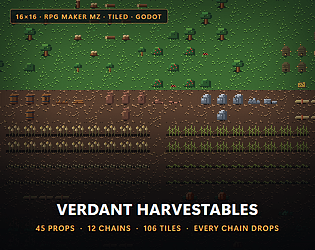
45 props in 12 harvest chains — tree to stump to sapling, ripe to reaped, and the item each one drops.
165 ship, sea and harbour sounds in one voice. Commercial use, no credit needed. Free demo to hear it.
42 track wilderness score. One road-tune, bent by every country. Editable MIDI, seamless loops.
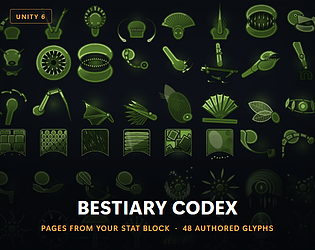
An illustrated bestiary page composed from each creature stat block. 48 hand-authored trait glyphs. Unity 2022.3+.
The flood is not the disaster. The flood is the harvest. A cozy town builder you play by aiming a river.
Play in browser
Reset or push Blueprint defaults across every placed actor, per property, with a preview first.
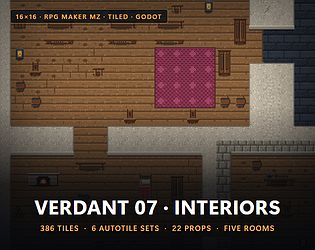
386 tiles. Six complete 47-mask autotile sets, 22 props shipping transparent AND grounded, three animated lights.
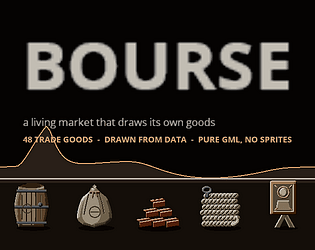
A GameMaker market that simulates supply and demand and draws its own 48 trade goods. Pure GML.
112 anime/JRPG sounds in one palette. Six elements, cast and impact. Commercial use, no credit. Free demo.
Every song your player collects becomes a real engraved score. Ten traditions. And the sheet plays what it shows.
42 track folk village score. One tune, every room. Editable MIDI and seamless loops.
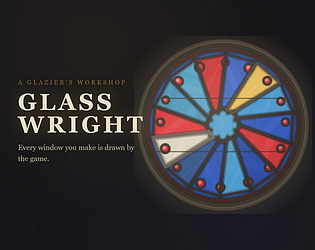
Run a medieval glassworks. Every window you complete is drawn by the game.
Simulation
Play in browser
42 track gothic dungeon score. One hymn at every depth. Editable MIDI and seamless loops.
Every item draws its own plate from the ore it was made of. 40 hand-authored motifs, eight realms.
A Game Boy deduction game. Every day the mint changes what "genuine" means, and nobody tells you what.
Puzzle
Play in browser
Every award strikes its own medal. 42 hand-drawn devices, 12 blanks, 7 alloys, 8 ribbons. Pure GML, no sprites.
17 places in separable layers. 30 second beds, no repeat. Commercial use, no credit. Free demo.
109 clockwork and machine-room sounds in one voice. Commercial use, no credit needed. Free demo inside.
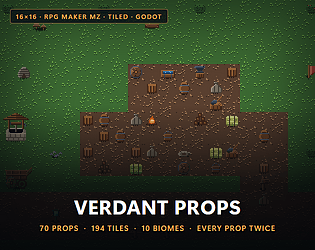
70 pixel-art props across 10 biomes. Every prop ships twice: transparent, and grounded with its shadow.
42 track fantasy score. The same road home, every mode raised. Editable MIDI and seamless loops.
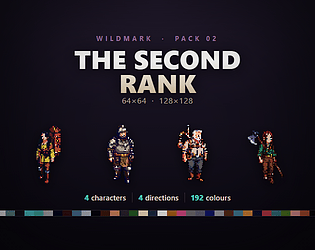
Priest, vanguard, alchemist, forester. Four directions, six-frame walks, native 128px and 64px.
Proves which overlap flags Unreal can never fire, clears them, then re-scans to prove it worked.
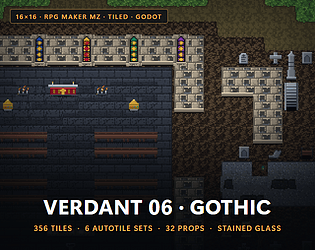
Verdant 06 — Gothic Tileset for RPG Maker MZ, Tiled, Godot & Unity: Chapel, Graveyard & Ruin [16x16]
A ruined chapel and its graveyard, in stained glass. 356 tiles, 6 complete 47-mask autotile sets, 32 props.
A 50 track European fantasy score built on one oath. Editable MIDI, seamless loops, RPG Maker tags.
Every battle opens on an illustrated arena the plugin drew. 44 motifs, 240 combinations, no image files.
A 42 track fantasy score led by koto and bamboo flute. Editable MIDI, seamless loops, RPG Maker tags.
Ten combat tracks built on one theme. Editable MIDI, seamless loops, RPG Maker loop tags.
Draws your crafting screen from your own recipe data - every reagent and result mark generated, no PNGs
The same 14 slots as Vol. I, every mode darkened. Editable MIDI, seamless loops, RPG Maker loop tags.
Every letter your game sends becomes a drawn document: a real hand, a struck wax seal, and a forgery you can catch.
48 species drawn in GML from 84 authored parts. 20 lookalike pairs. Learn the tell or find out the hard way.
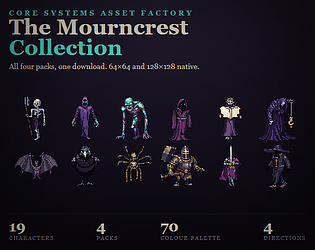
All four Mourncrest packs. 19 characters, 4 directions, walk cycles. 64x64 and 128x128, one palette.
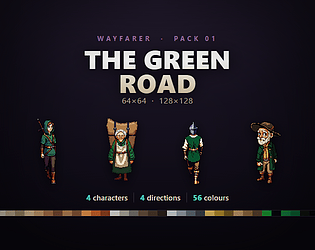
Four road travellers. 4 directions, 6-frame walk, idle. 128x128 and 64x64, one 56-colour palette.
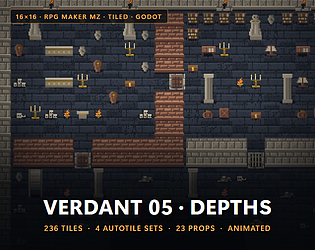
A dungeon, cave and crypt tileset whose walls actually read as raised. 236 tiles, 4 complete autotile sets.
Every character draws its own portrait from its own traits. Ageing, mood and injury re-derive the same face.
A complete 14 track JRPG score in one voice. Editable MIDI, seamless loops, RPG Maker MV and MZ loop tags included.
Proves which Movable actors can never move, then stops them invalidating your shadow cache.
A horror game about the cost of staying warm. Burn what made you a person, or freeze holding on to it.
Survival
Play in browser
Progression screens drawn from your own chart data. Forty stellar forms, ten houses, no PNGs.
Four playable adventurers. 4 directions, 6-frame walks, native 128px and 64px, with a proof you can re-run.
Draws all 78 tarot cards itself - no image files - and every card can bind as a real contract.
A fishing system that draws its own fish. 96 silhouettes, 10 patterns, 10 palettes - and no sprites.
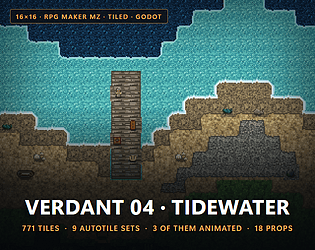
771 tiles, 9 complete 47-mask autotile sets — 3 of them animated, including the coastline
Every weapon and armour draws its own engraved plate — and the plate records what the item has done.
Three armoured wardens, four directions, three-frame walks. Native 64px and 128px, one 70-colour palette.
Rewrites the Asset Manager config that leaves GetPrimaryAssetIdList empty, then re-scans to prove the repair worked.
Faction and reputation for GameMaker, and every house's banner is composed - not drawn.
Every recipe in your game draws its own alchemical plate, generated from its own ingredients.
A Game Boy roguelike where a monster's shape IS its stat block. 8,640 creatures, drawn by the cartridge.
Role Playing
Play in browser
Generates a distinct emblem for every skill-tree node from its own data. 48 motifs, 5,760 marks, no PNGs.
Five dungeon beasts, 4 directions, 3-frame walks. Native 64px and 128px, one 60-colour palette.
A hand-drawn manuscript chart that inks itself as your player explores. No sprites - every mark is drawn in GML.
A duel where the opponent is openly building a read on you — and shows you exactly what it has learned.
Fighting
Play in browser
Every skill draws its own star. 56 motifs, 336,000 constellation marks, no image files.
Rewrites the UMG property bindings that call a Blueprint every frame - and names every one it refuses.
Six undead characters, 4 directions, full walk cycles. Native 64px and 128px, asserted pixel by pixel.
Every herb in your game draws its own botanical plate. 97 motifs, 32 billion plates, no PNG.
Stacking, resistance, cleanse, DoT and chains - plus 960 icons the system generates itself. Pure GML, no sprites.
Something is in the room with you. Three instruments, one lamp, no second guess. Work out what it is.
Puzzle
Play in browser
Five cultists, 4 directions, 3-frame walks. Native 64px and 128px, one 48-colour palette.
Every weapon and every piece of armour strikes its own maker’s mark, drawn from what your loot system rolled.
330 tiles: three biomes, six 47-mask autotile sets, animated lava and water, a shadow under every prop.
Seven bands leave your horn at once. Each one is a verb, and they fire together — you aim all seven or none.
Action
Play in browser
Deck, hand and pile logic - plus the deck. Every card face is drawn from that card's own data, in pure GML.
Collapse duplicate UE5 base materials into one parameterised master. Every original becomes an instance.
A branching evolution atlas for MZ. 65 body plans x 8 elements x 6 stages = 3,120 marks, zero images.
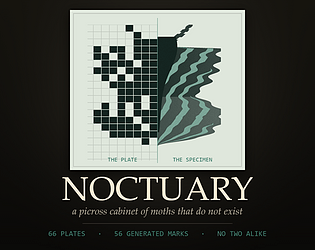
A picross cabinet of moths that do not exist. 66 plates, every one solvable by logic alone.
Puzzle
Play in browser
Epilogue fates compiled from your switches and variables, each with a coat of arms the plugin generates.
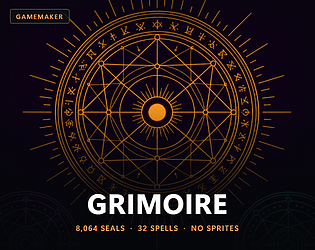
A complete spell and casting system that draws its own seals. 8,064 generated. No sprites.
Generate a complete 228-tile pixel tileset in your browser. 8 palettes, Tiled + Godot + MZ exports.
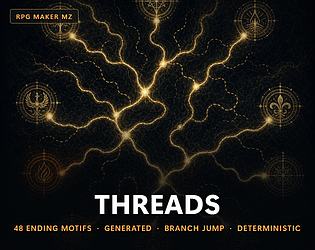
Multiple endings your players can finally see: a story flowchart, branch jump, and a generated emblem per ending.
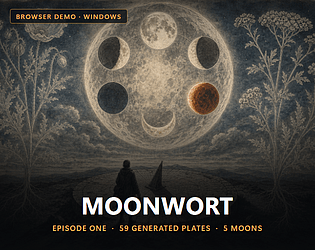
A botanical RPG where every spell is a recipe, rendered — and the moon changes what plants are.
Role Playing
Play in browser
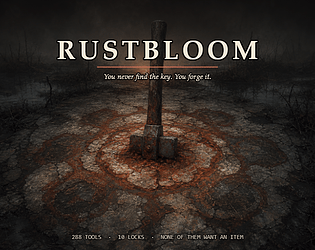
You never find the key. You forge it. A top-down adventure where every lock has many answers.
Adventure
Play in browser
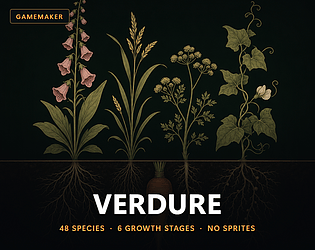
Plants, growth and gardens for GameMaker. 48 species, 6 stages each, all drawn by the product.
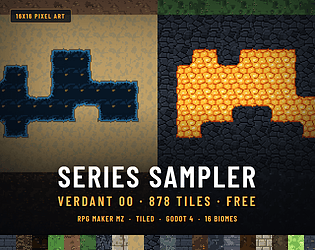
Free: 878 tiles, one complete autotile set from each of 16 paid Verdant packs. 16x16, 3 engines.
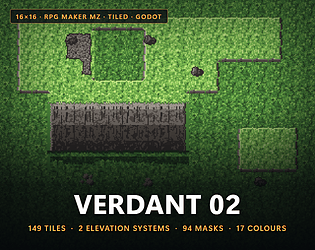
149 tiles of top-down elevation: a 47-mask plateau autotile, a four-band cliff, and the proof.
One value falls, and the world answers. 44 apparitions drawn by code - no image files ship.
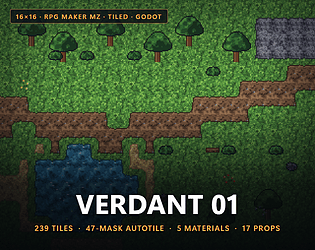
239 tiles, 4 complete 47-mask autotile sets. Real RPG Maker MZ A2 autotiles, Tiled and Godot.
A companion system that draws its own heraldry: breed two and the child's emblem composes from its ancestry.
A loot system that draws its own item cards — 900 base variants, 40 affix glyphs, seeded rolls. Pure GML.
A star is not a tree. You do not climb it — you close shapes in it.
Role Playing
Play in browser
A crafting system that draws its own art: 144 reagent glyphs, composed seals, a transmutation circle. Pure GML.
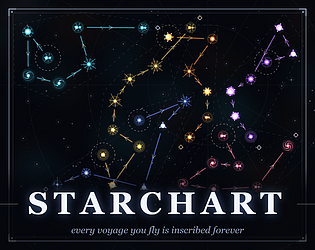
Every voyage you fly is inscribed forever — the route you took becomes the constellation.
Strategy
Play in browser
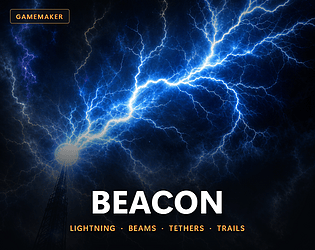
Lightning, beams, chains, tethers and trails drawn as geometry every frame. Pure GML, one renderer, four preset styles.
Prove a serialized-field rename actually migrated - before you delete [FormerlySerializedAs].
Push blocks, mirrors and light beams for RPG Maker MZ — every shove previewed before you commit.
Your army is a crowd you shape with movement alone — and it dies.
Action
Play in browser
Groups genuinely interchangeable StaticMesh assets and merges them in one batch. For Datasmith, Revit and CAD imports.
Give every NPC a real day - overnight shifts included, because spans break at midnight.
Six otters, one raft, and a river that never ends the same way twice.
Strategy
Play in browser
Turns off the engine plugins nothing references — rewrites your .uproject behind a timestamped backup you can restore.
Drive a storm ironclad up a hostile coast. Volts buy the hull; surge buys the miracle; the ram is a decision.
Action
Play in browser
Restores lost .meta files from git, resolves GUID collisions explicitly, and blocks the commits that cause them.
An invented written language your players actually learn - untranslated glyphs resolve forever once deduced. MZ engine.
Plant the banner and the whole House charges it. The dead stay dead — their heirs inherit the blood, flaws and all.
Strategy
Play in browser
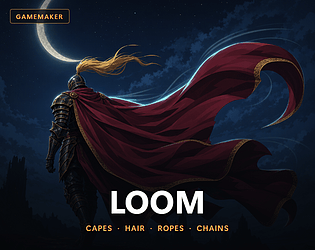
Capes, hair, tails, ropes and chains that follow any sprite with physical lag. Pure GML - no physics room, 3 lines.
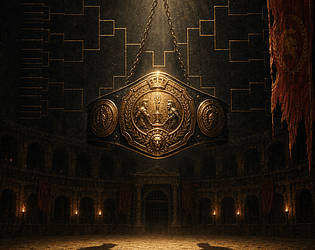
Seeded brackets, rivals that level and remember, weight classes, seasons and belts. The championship above your arena.
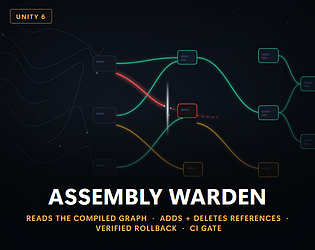
Your .asmdef reference lists, written from the compiled truth - adds, deletes, verifies, rolls back
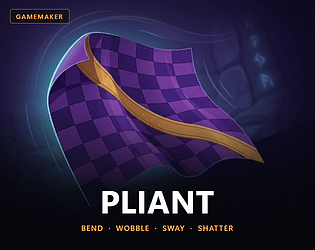
Bend, wobble, sway and shatter any sprite. 12 stackable mesh deformers driven by springs. Pure GML, no extension.
The sea stops being a loading screen. Wind, points of sail, cargo that rots, storms that cost.
The world resets. The player does not. Anchor a day, rewind it, and keep everything they learned.
Deletes the dead lines in your UE5 config, then re-resolves every value to prove nothing moved.
A skill tree that draws its own icons: 480 procedural marks, four layouts, full progression. No sprites.
A real viewfinder, real depth of field, and an album of developed prints. The engine judges the photograph.
Your upgrade compiled clean and parts of it silently stopped working. Find them, and write the fix.
Rewrites the Android .so files that will block your Play update on 1 Feb 2027 — real 16 KB ELF alignment.
75 item icons drawn from code, not pixels - plus a spring-animated inventory. 900 variations, zero sprites.
Your spells draw their own art. Every skill gets a unique animated magic circle, derived from its own data.
Menus, HUDs and modals drawn from primitives and animated by real springs. No sprites, no fonts.
Rewrites the Mono-era C# that Unity 6.8 will break — preview every edit, then burn the list down in CI.
The mystery layer RPG Maker has no answer for: present an exhibit against a claim and find out if you were right.
Renames, moves and clamps the assets that break your standards — then re-scans to prove the repair actually worked.
Stock that depletes and restocks. Prices derived from what is on the shelf. Regional spread. Trade routes.
Branching quests, choices that foreclose, faction reputation & world state for MZ. Keep your quest log.
Spawn tables, rarity tiers, level bands & variant rates for RPG Maker MZ, feeding a Dex. Keep your encounter plugin.
Type chart, move sets with PP, status effects & matchup-reading AI for RPG Maker MZ. Untagged skills untouched.
Genetics, breeding, branching evolution & box storage for RPG Maker MZ. Works with any capture plugin.
Recent community posts
itch.io Community » General » Release Announcements · Created a new topic Sound Cue Forge is an Unreal Engine 5.8 plugin that ports Sound Cues to MetaSound Sources and relinks what played them
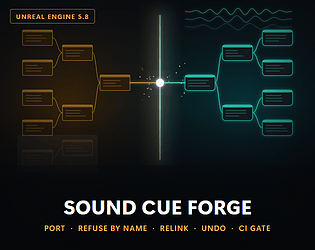
Sound Cue Forge is an Unreal Engine 5.8 editor plugin for moving a Sound Cue library to MetaSound Sources. An audit run reads every cue in the folders you name and marks it portable, approximated or refused. A refused cue names the node that stopped it, so nothing is half ported.
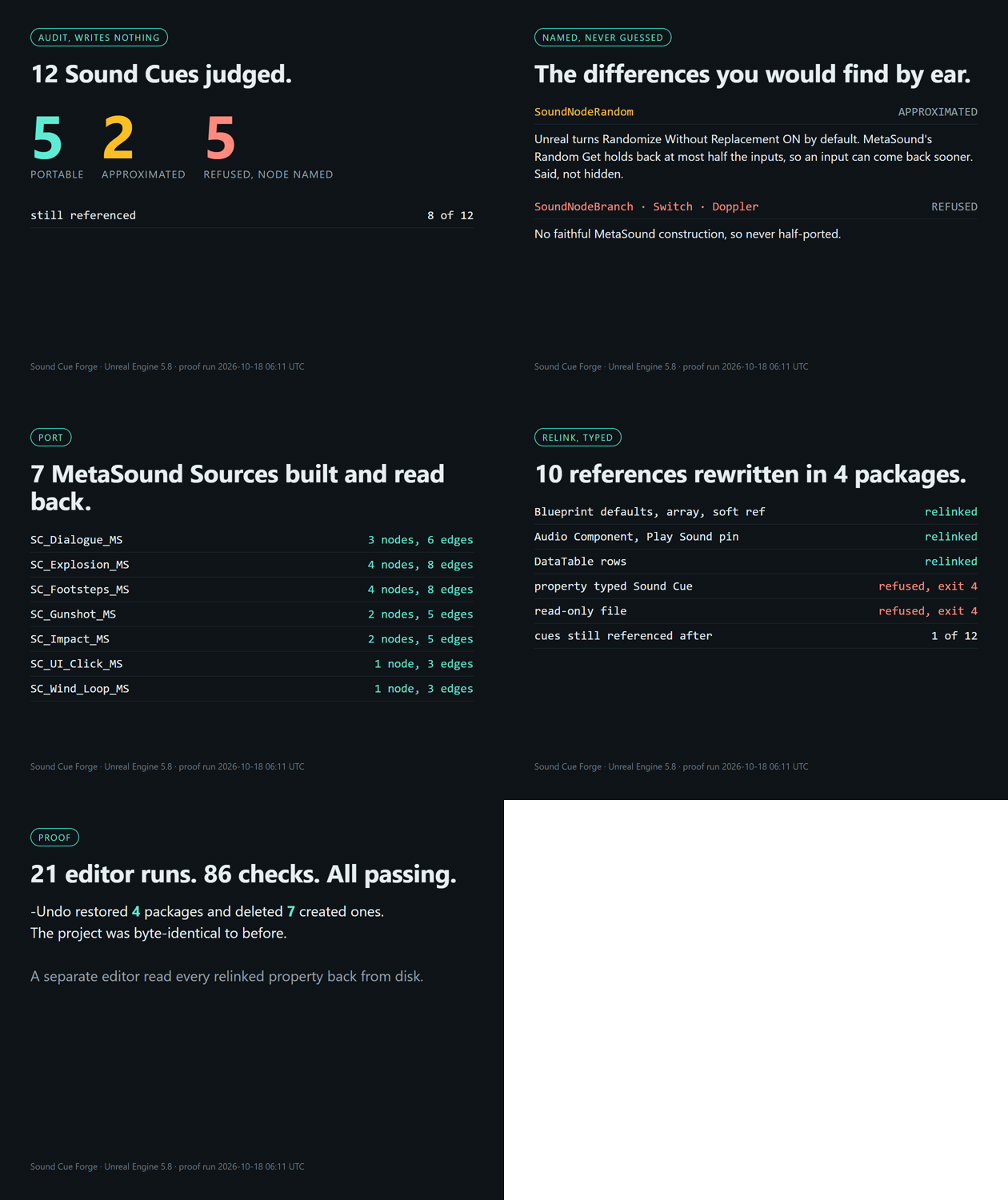
The port builds a MetaSound beside each portable cue and reads it back before saving. Relink then points Blueprint defaults, components and DataTable rows at the new asset. Every write is journaled, and one command restores the project byte for byte. It runs from a terminal or a CI job.
The code was written with AI tools and tested in the engine. It costs $14.99.
itch.io Community » General » Release Announcements · Created a new topic Socketwright is a Unity editor tool that derives snap sockets from kit meshes
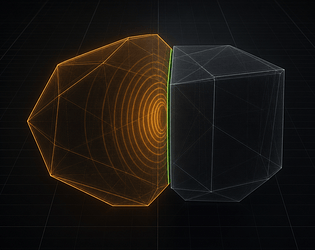
Socketwright is a Unity editor tool for modular kits. Point it at a folder of kit prefabs and it writes the connection sockets directly from geometry. Every hole in a boundary face becomes an opening socket, while every thin full face becomes an edge socket. On the 11 piece demo kit it derived 33 sockets and found the 4 m module by itself.
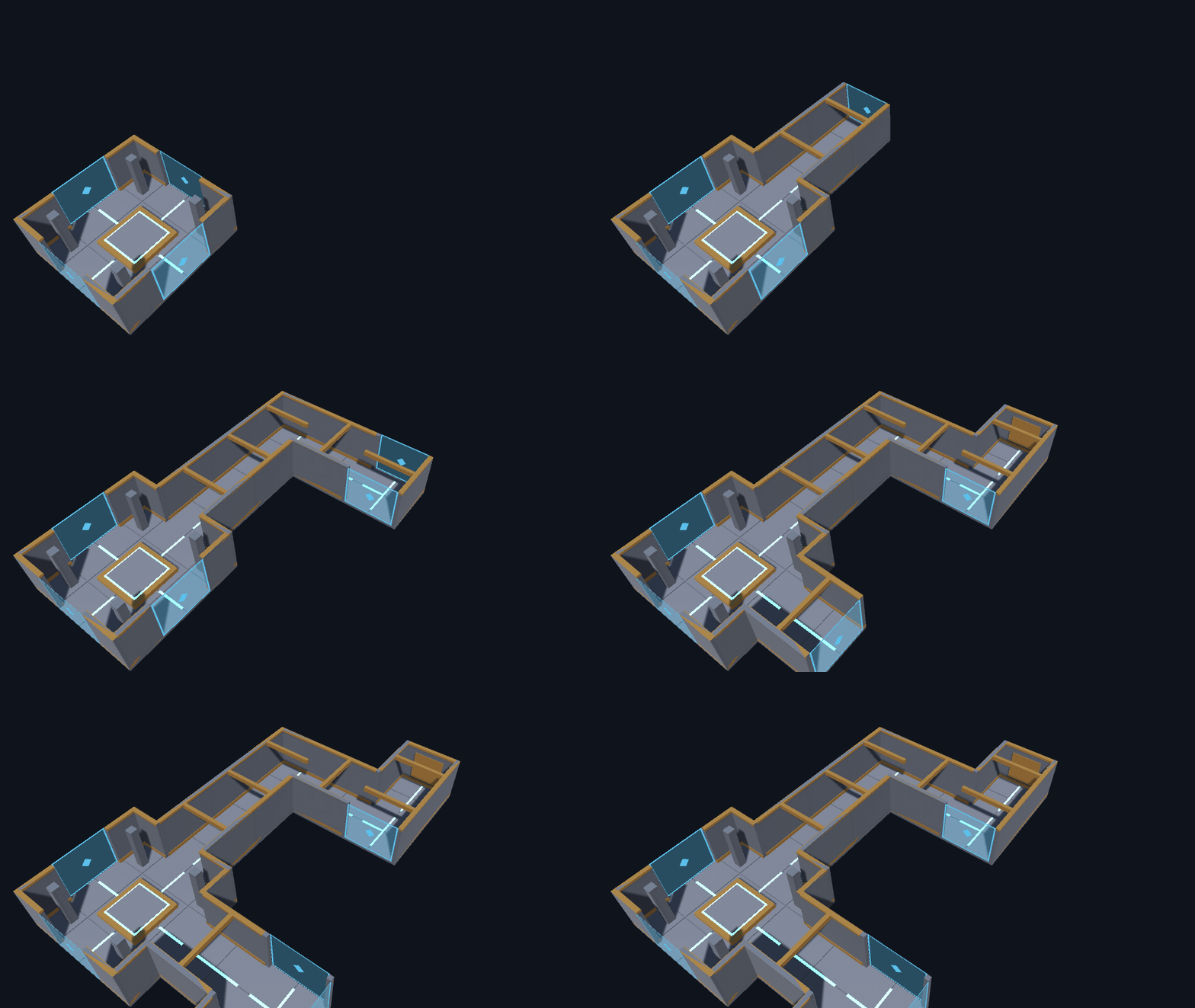
Dragging a piece near another snaps it on release with rotation resolved in one Undo step. The same sockets drive procedural levels at runtime.
The code was written with AI tools and tested in Unity 6000.5.7f1. It costs $14.99.
itch.io Community » Game Development » Get Feedback · Created a new topic TORCHWATER: on a full moon, can you tell why the torch stops drawing fish?
TORCHWATER is a free browser incremental about a fire fishing fleet. Each boat's torch draws shoals up close enough to net.
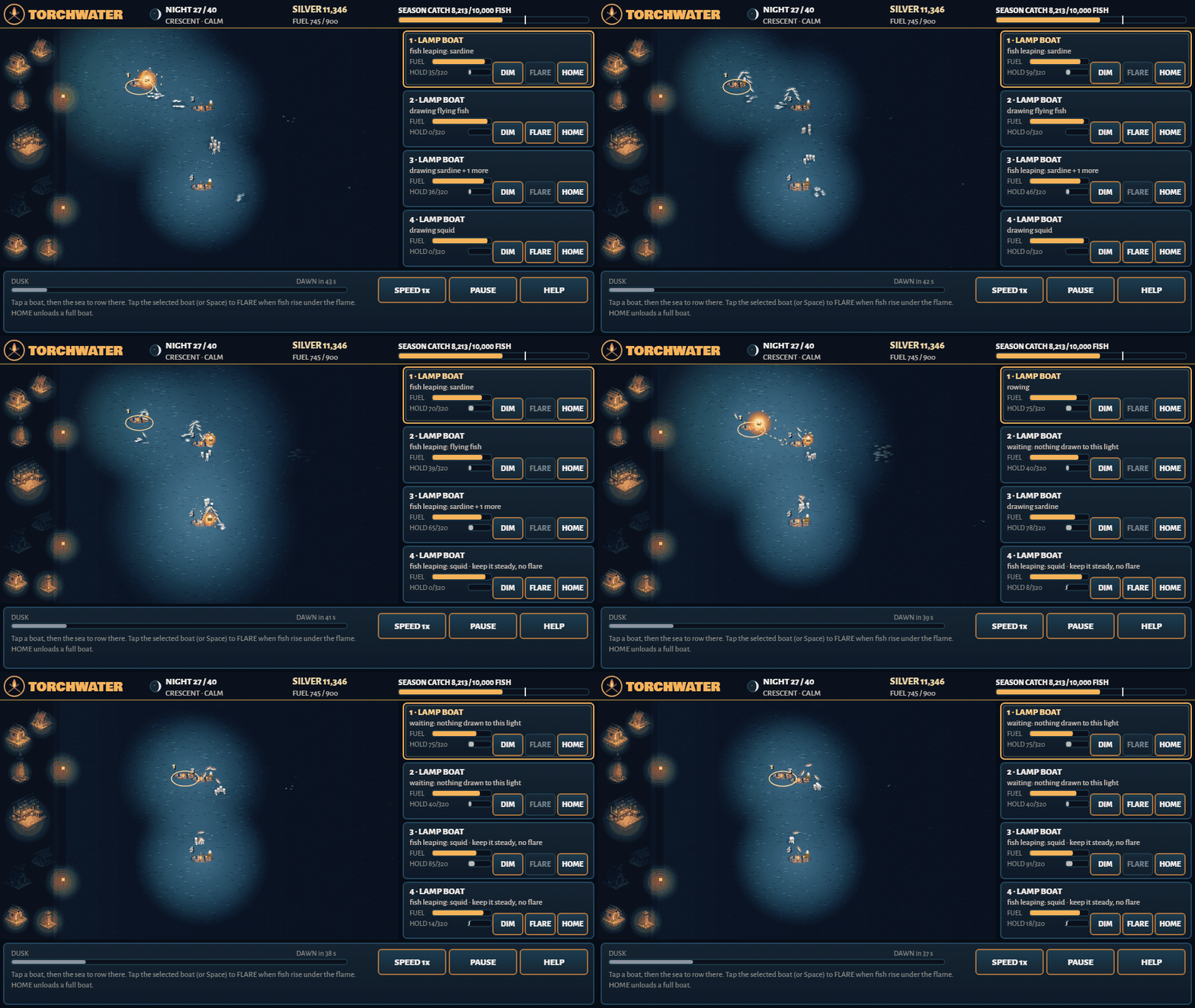
The moon runs in a cycle of eight nights. On a new moon any torch draws hard. On a full moon the water is already bright, so only a flare pulls fish in, and a flare burns fuel four times as fast.
That is what we want feedback on. The first time a full moon comes round, does it read as a rule you can plan for, or like your boats stopped working? If it read wrong, where did you notice?
About half an hour to Lantern Night, in the browser.
https://csaf.itch.io/torchwater
Disclosure: the code, art and text were made with AI tools.
itch.io Community » Tabletop Gaming » Resources » Business · Created a new topic Sengoku: 106 feudal Japan sound effects for a samurai table, with six loops for scene ambience
For a GM running a samurai or shinobi session, Sengoku is 106 sound effects built from one palette: tamahagane steel, hinoki and bamboo, paper and silk, temple bronze and lacquer.
Six are loops, with loop points written into the files, for setting a scene: a castle at night, a bamboo grove, rain on a shrine, a war camp, cicadas at dusk and drifting smoke. The rest are cues for a soundboard or VTT: a katana drawn quick, steady or slow, a nightingale floor under a light, medium or heavy step, a war drum struck soft to full, a smoke bomb from throw to clear, and a grappling hook from throw to release.
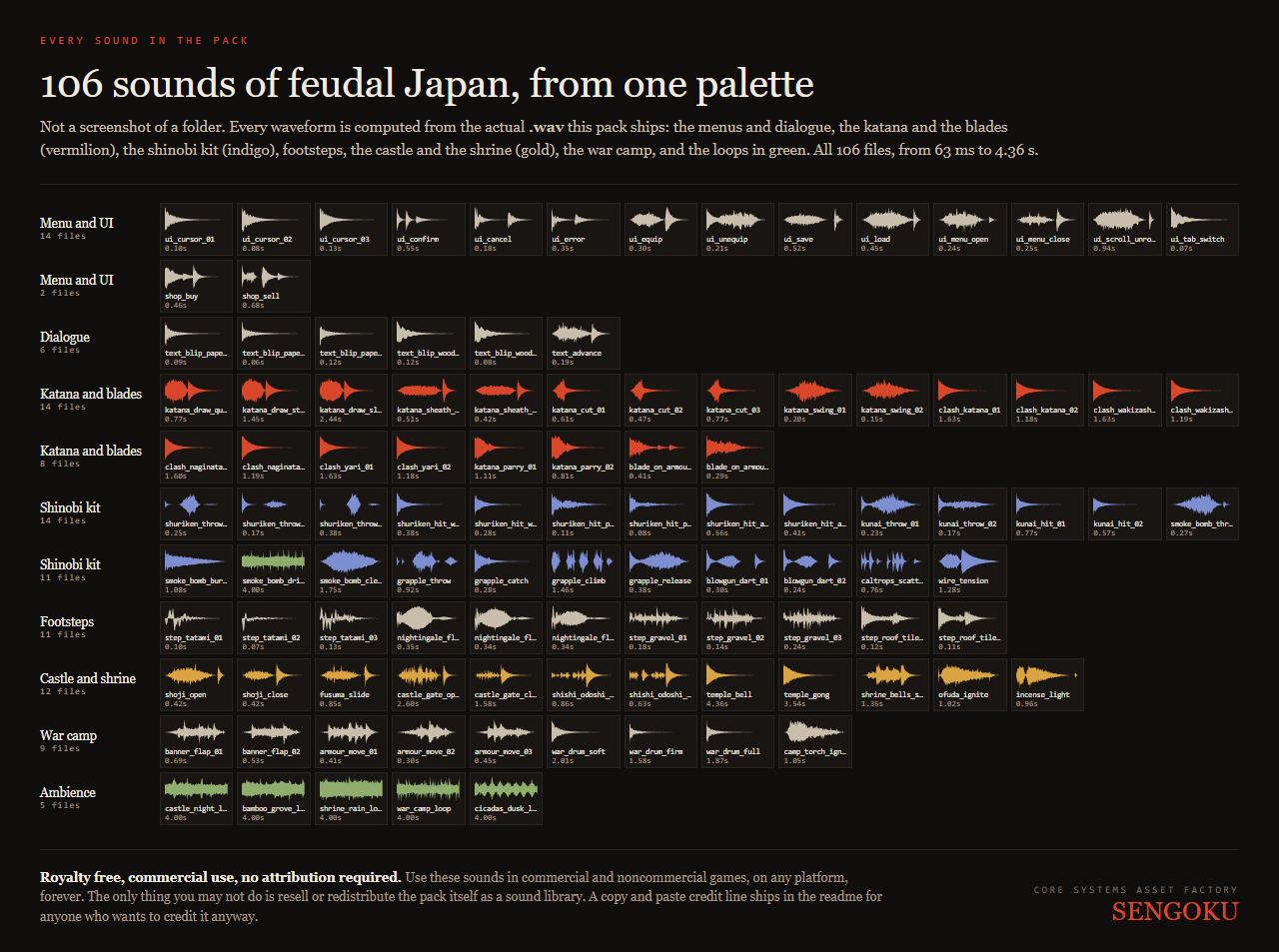
WAV and OGG, royalty free for commercial use. Every sound is synthesised from code written with AI tools, with no samples or recordings. It's $10.99.
itch.io Community » Creativity & Art » 2D Art · Created a new topic Verdant 66 Bounds: 16x16 connecting fences in 8 materials, each with a gate on every side
Verdant 66 Bounds is a connecting fence tileset for 16x16 maps: 729 tiles in one 55 colour palette.
There are 8 materials: split rail, white picket, wattle hurdle, stained plank, dry stone wall, wrought iron, post and wire, and bamboo. Each is a full set of 16 pieces (a post, end caps, straights, corners, T junctions and the cross), plus broken and leaning pieces for ruins. Every material has a gate in an east west run and in a north south run, in four states from closed to open, and the north south gate is drawn for the 3/4 view.
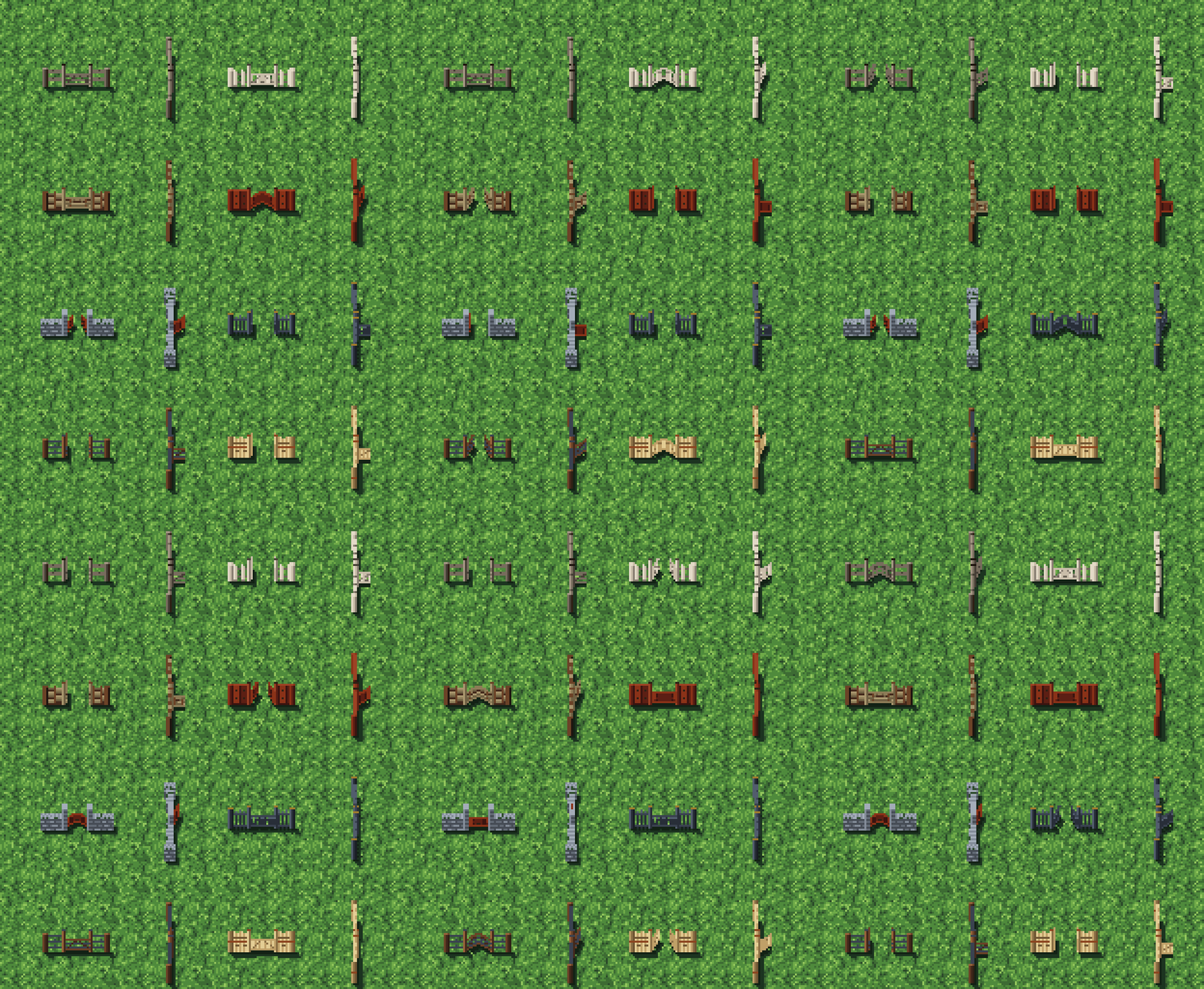
Every set also comes drawn on the Verdant grounds. The tiles are generated by code written with AI tools. Commercial use in unlimited projects. It's $4.99.
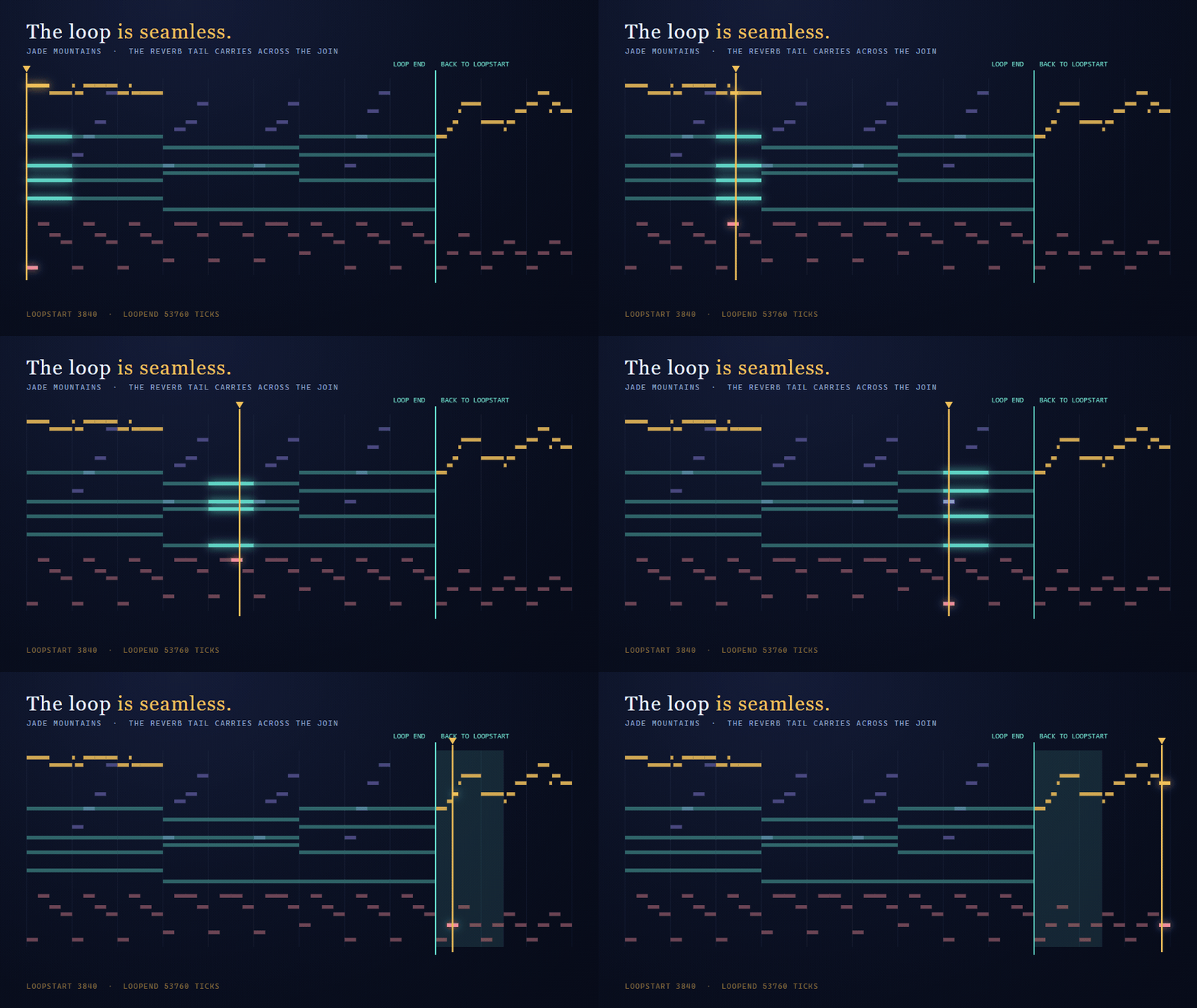
itch.io Community » Creativity & Art » Music & Audio · Created a new topic Jade Mountains is a 44 track wuxia score where no part leaves its five pentatonic notes
Jade Mountains is a score for wuxia and martial arts games. Every track stays strictly within five pentatonic notes, including bass and chord parts. A check on the shipped MIDI counted 10,015 notes and 0 outside. Editable MIDI files and OGG audio with RPG Maker loop tags are included. The music is royalty free for commercial projects and composed by code written with AI tools. Price is $12.99.
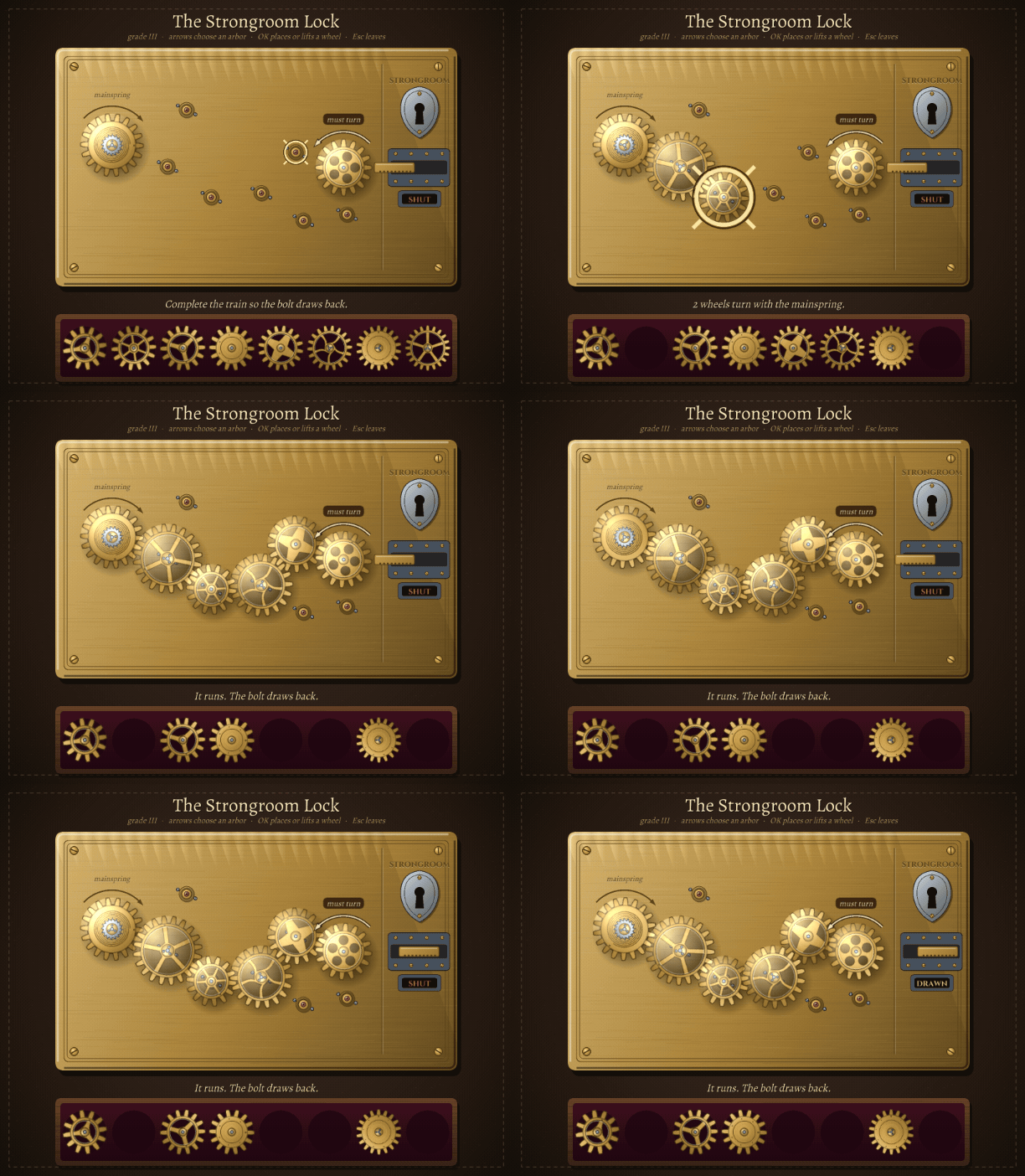
itch.io Community » General » Release Announcements · Created a new topic Escapement for GameMaker generates clockwork gear puzzles in five grades
Escapement is a GameMaker package that turns a locked door into a gear puzzle. Players arrange loose wheels on a brass plate to complete a working train. Every puzzle is generated from a seed, so it can't be unsolvable. The package draws all art in GML without loading image files. The code and the art were made with AI.
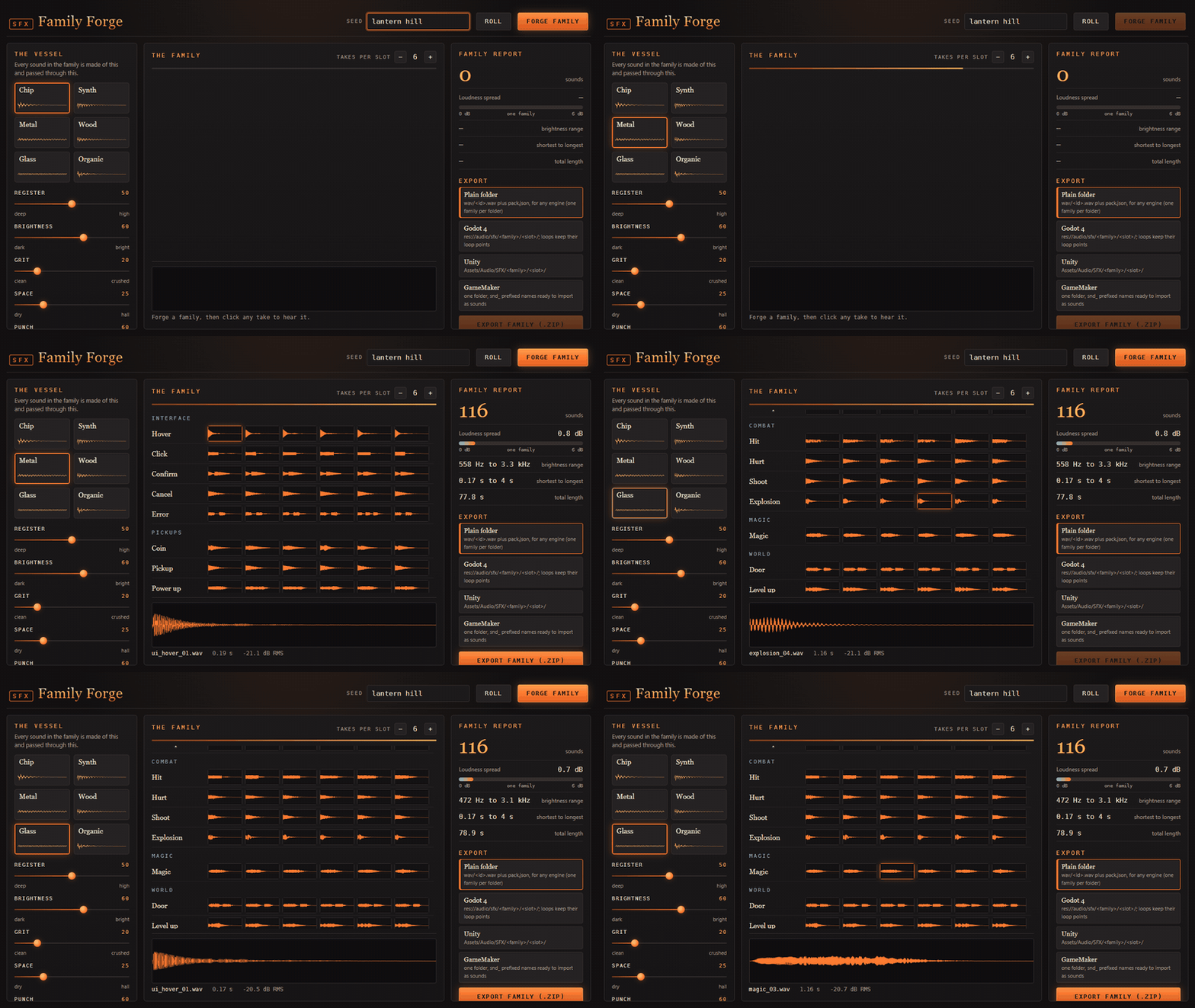
itch.io Community » General » Release Announcements · Created a new topic SFX Family Forge generates 116 matching sound effects from a material choice
SFX Family Forge is a sound generator that builds matching audio sets for games. Select a material, press Forge, and export audio files that belong together in your engine. A free demo runs in the browser on the page with two of the six materials. Every sound is synthesised by code without recorded audio, so generated assets can go into commercial projects with no credit required. The app code was written with AI tools. It costs $7.99.
itch.io Community » Game Development » Get Feedback · Created a new topic Summit Pound, a canal incremental where the money is water: does the reserve line make sense on a first play?
Summit Pound is a free browser incremental about running the top stretch of a canal. Every boat that crosses takes a lockful of water, rain and your reservoirs refill it, and if the level falls below the dead line the canal shuts.
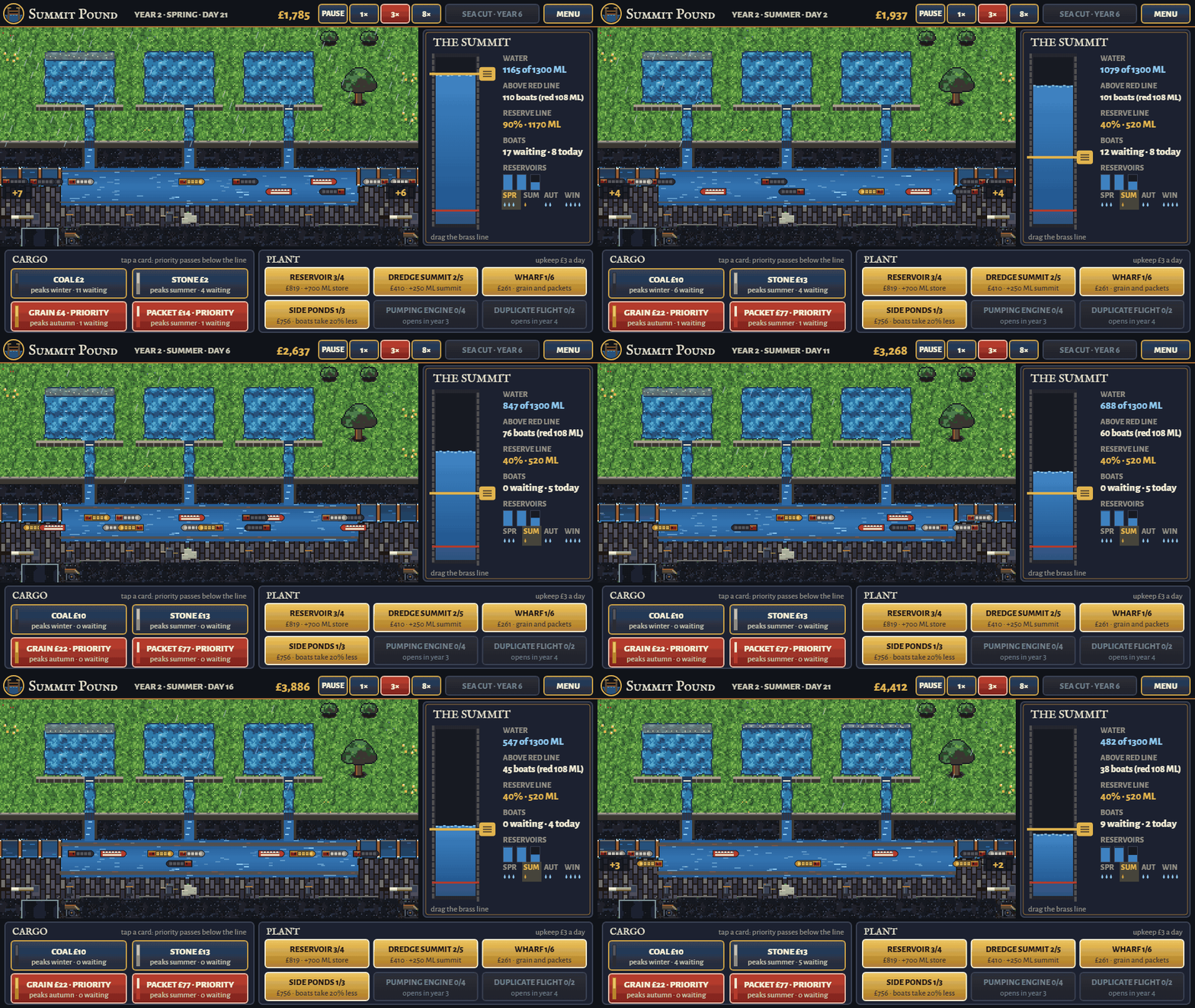
The game hangs on one control: a brass reserve line you drag on the summit gauge. Above it every boat passes. Below it only the cargo you marked priority gets through. Summer tolls pay 3.2 times the usual rate, so holding water through the wet months is meant to pay off.
What we'd like to know: in your first year, did you understand what the reserve line does without opening the help? And did the canal shut on you before you understood why?
Made with AI tools. https://csaf.itch.io/summit-pound
itch.io Community » Tabletop Gaming » Resources » Tools · Created a new topic Dread: 101 horror sounds and 15 looping beds for running a haunted house session
If you run horror at the table or on a VTT, Dread is a sound pack built around pacing: quiet, then worse, then the scare.
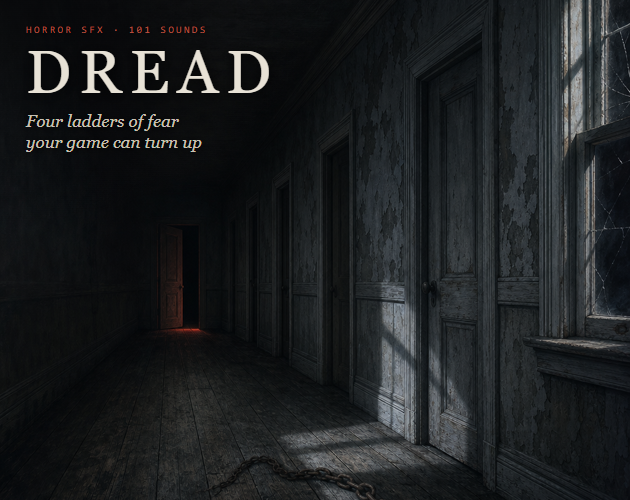
It has 15 loops that repeat without a gap, to sit under a scene, plus an old house at night: doors, boards and stairs that creak, knocks, chains, drips, breath, a bell far off and things falling. Four ladders step up from low dread to the scare itself, so you can raise the tension in stages as the players get closer to whatever is in the cellar.
101 sounds in WAV and OGG, 4 minutes 9 seconds of audio in total. Royalty free.
Every sound is synthesised by code written with AI tools. There are no samples or recordings. It's $9.99.
itch.io Community » Creativity & Art » 2D Art · Created a new topic Lantern and Tallow, a pair of 1x pixel fonts for JRPG text boxes and titles
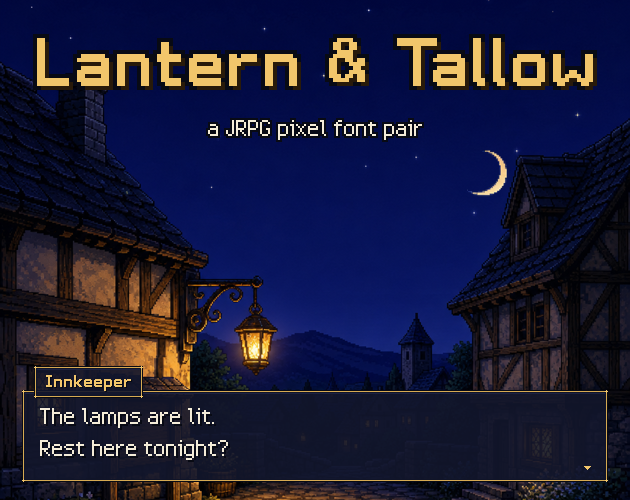
Lantern and Tallow are two original pixel fonts drawn as a pair for RPG screens. Tallow is the dialogue face at 14 px for text boxes, menus, item names and numbers. Lantern is the display face at 22 px for titles, chapter cards and names.
Both cover 197 characters, including the accented letters for most Western European languages. Every Tallow digit sits in the same 5 px box, so HP and price columns line up, and its zero is slashed so it never reads as an O.
Each face ships as a white glyph sheet, an AngelCode BMFont file with kerning and a TTF that draws the same pixels.
Every glyph was drawn pixel by pixel by an AI agent as code. No image model and no third party font was used. It's $4.99.
itch.io Community » Creativity & Art » Music & Audio · Created a new topic Elven Realms: 44 fantasy RPG tracks written from one family of 5 themes
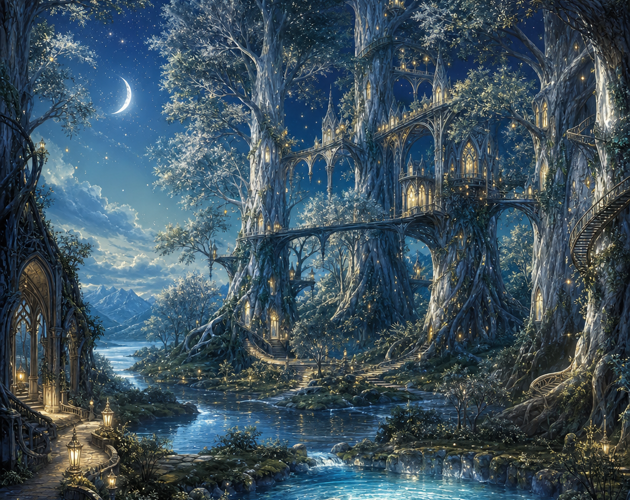
Elven Realms is a fantasy RPG score for an elven setting. It has 44 tracks and 46 minutes, from a title theme through a canopy city, the high court, the barrows and four battles.
It's written as one album rather than a grab bag. Every track draws on the same 5 themes, and a check on the finished MIDI counted 1,864 statements of them across the record. The bright places are in Lydian and the deep wood, the barrows and the battles are in Dorian.
You get 44 OGG files with sample accurate loop points that RPG Maker MV and MZ read, and the 44 editable MIDI sources, so you can re voice any track.
Royalty free for commercial games. The music is composed by code written with AI tools. It's $12.99.
itch.io Community » General » Release Announcements · Created a new topic Scales for GameMaker: weighing puzzles on a drawn brass balance, with a counterfeiter that answers every weighing
Scales adds two weighing puzzles to a GameMaker game. In the first, a hoard of 3 to 13 coins hides one false coin and the player finds it in the weighings allowed. In the second, they weigh out an exact amount of goods with a box of weights.
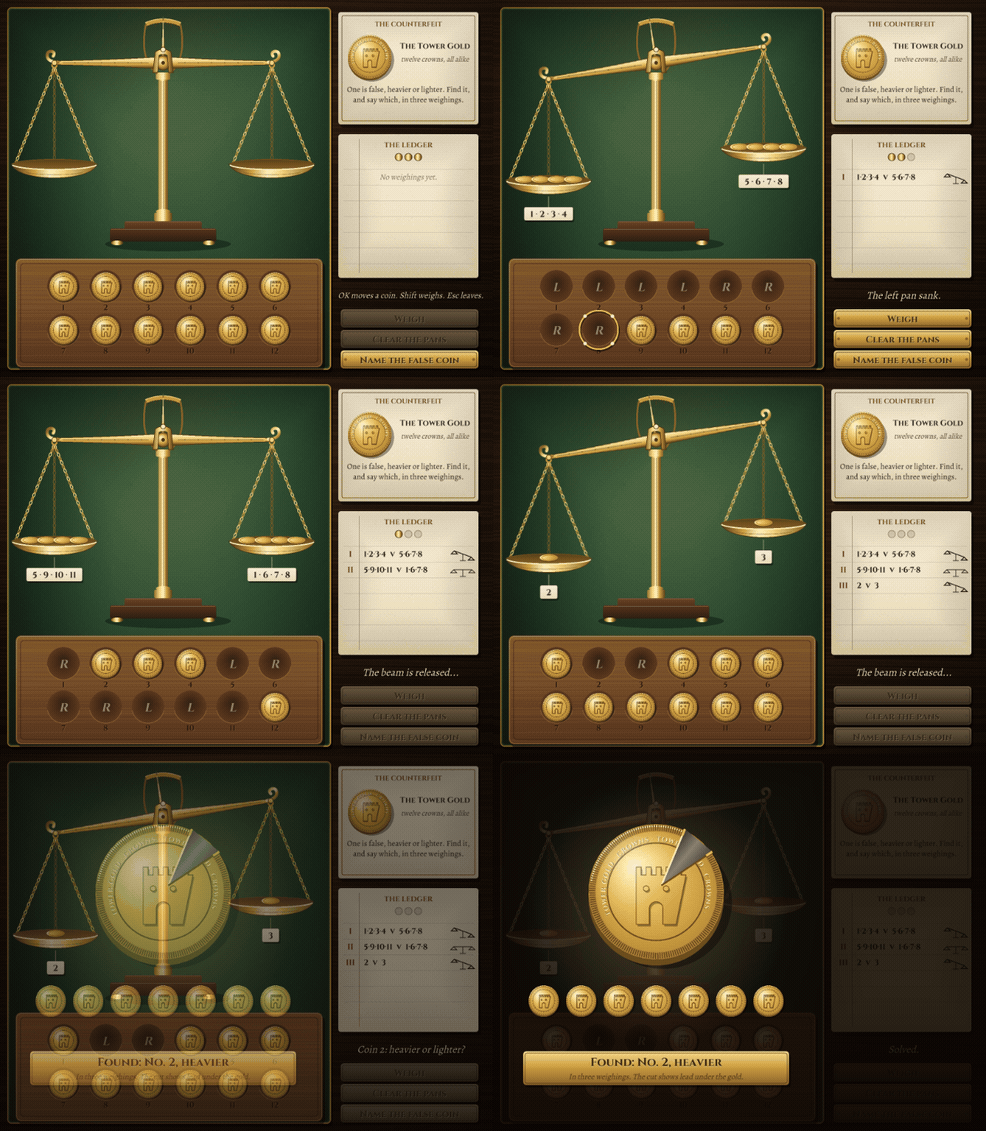
The false coin isn't picked in advance. Each weighing falls the worst way for the player, so a lucky guess never wins, and every puzzle allows exactly the fewest weighings that always suffice. A hint function gives a weighing that keeps the puzzle winnable.
Everything is drawn in GML with no image files: the counter, the balance with a swinging beam, 90 coin designs, the weights and the goods.
The code was written with AI. It's $11.99.
itch.io Community » General » Release Announcements · Created a new topic Counter 01 is 120 shopkeeper and innkeeper voice lines for RPG shops and inns
Counter 01 is a voice pack for RPG shop and inn screens. Four invented shopkeepers each speak 30 lines: a gruff blacksmith, a gentle apothecary, a warm innkeeper and a fast talking trader.
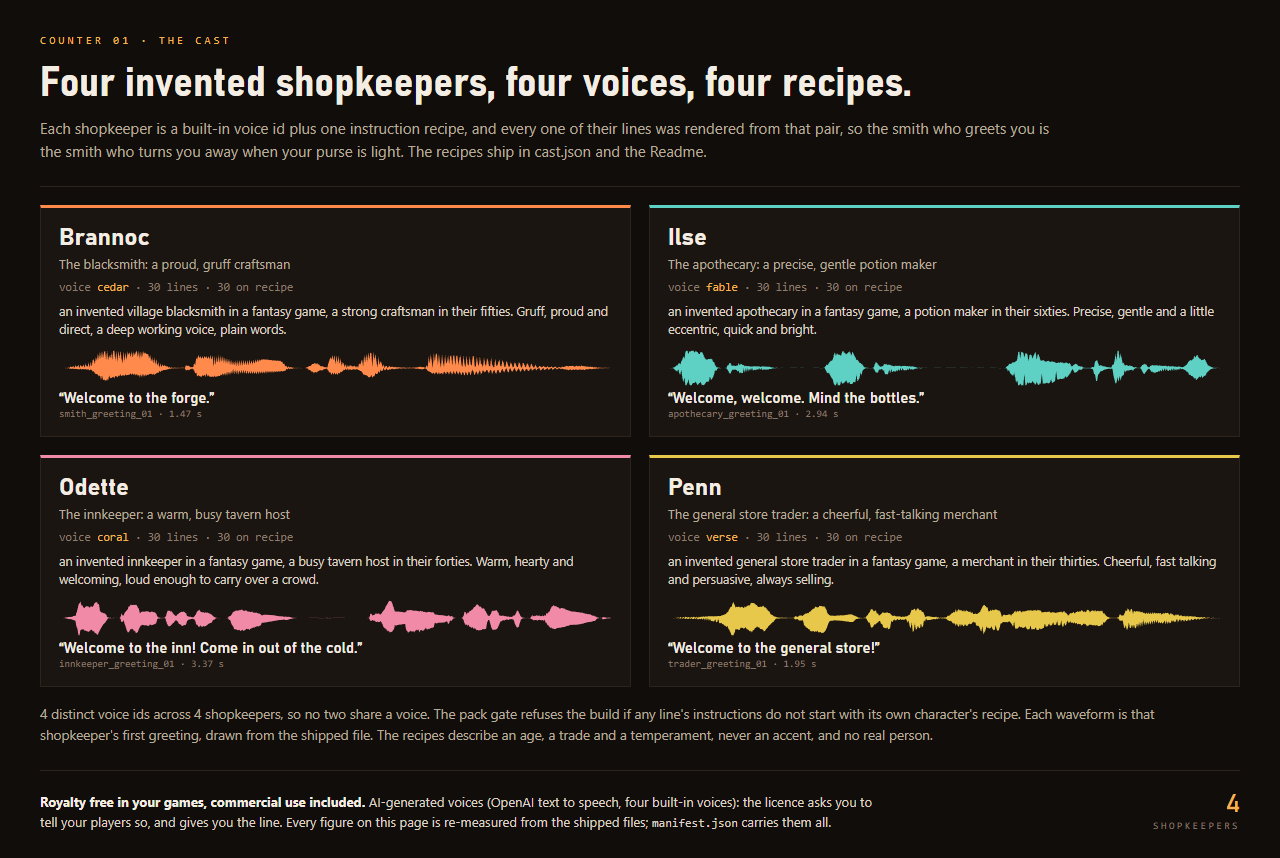
They all cover the same ten steps with the same number of lines, from greeting and browsing through not enough gold, rumours and farewell, so your shop code calls the same line ids for every merchant.
Each line comes as a 48 kHz WAV and an OGG, with a manifest of the exact text, duration and loudness. Files are loudness matched to around 16 LUFS and a speech to text check read all 120 back word for word.
The voices are AI generated with OpenAI text to speech, and the licence includes the credit line you'd show your players. It's $5.99.
https://csaf.itch.io/counter-01-shopkeepers-and-innkeepers-voice-pack
itch.io Community » General » Release Announcements · Created a new topic Verdant Hex 02 is 416 hex tiles at 32x32 for Godot 4 and Tiled: ash, lava, jungle and swamp
Verdant Hex 02 adds the wild biomes Hex 01 lacks. 416 pixel art tiles on a pointy top 32x32 hex grid, in one locked 56 colour palette.
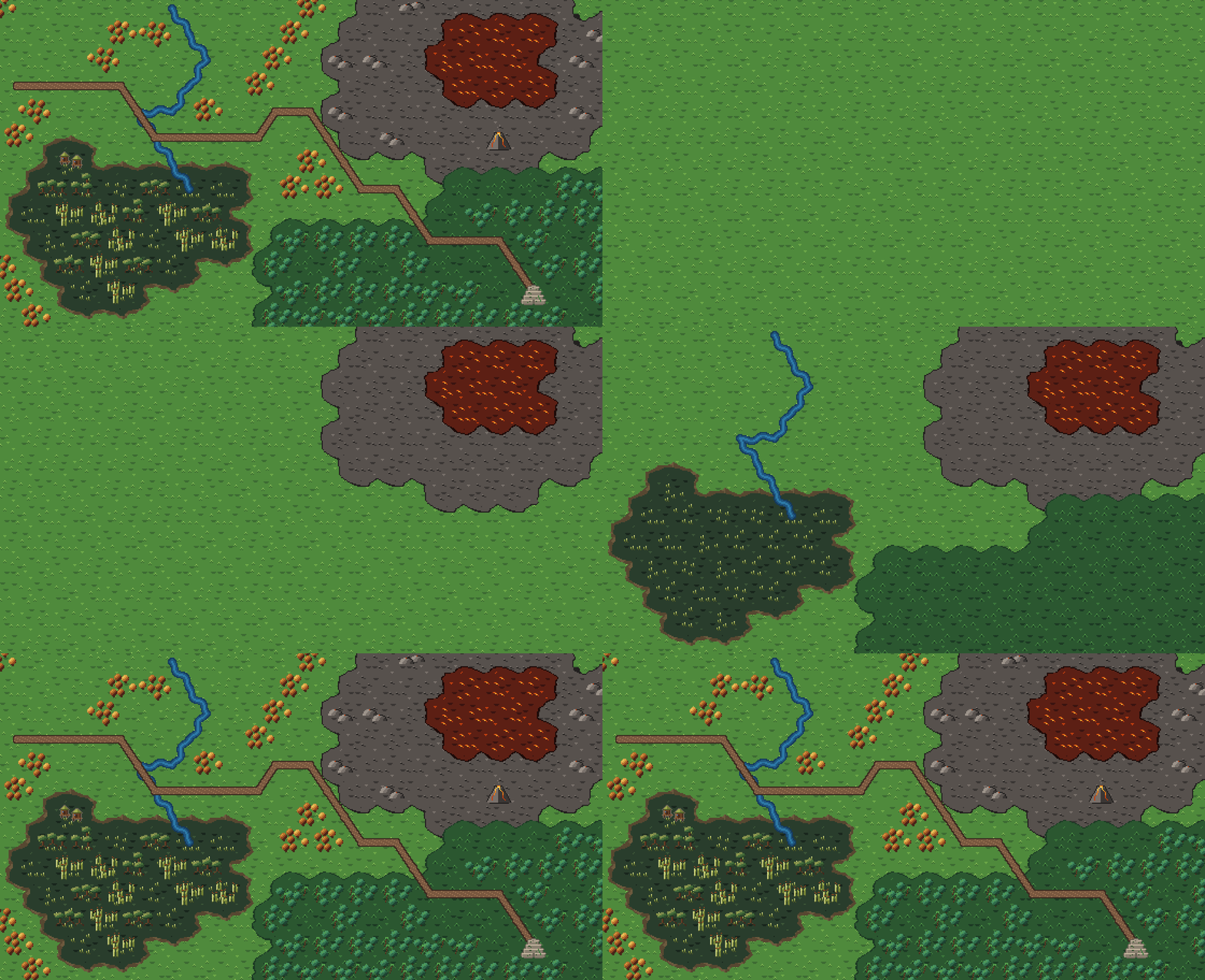
Each new terrain ships all 63 edge shapes where it meets grass. Roads and rivers join in any direction, and 16 feature tiles include a volcano, a jungle temple and a stilt village. The grass matches Hex 01, so both packs lay onto one map.
In Godot 4, painting a terrain draws its edges for you. Tiled gets 8 tsx tilesets and a sample hex map. MZ cannot draw hex maps, so there is no RPG Maker importer.
AI disclosure: the tiles come from a procedural pixel art engine whose code was written with AI. No diffusion model is used.
$5.99 on itch.
itch.io Community » Creativity & Art » 2D Art · Created a new topic The Kithfell Collection: 21 animal sprites in 4 directions at 128 and 64 px
The Kithfell Collection is all three Kithfell packs in one download. It has 21 animals on one locked palette, every one in four directions at 128x128 and 64x64: a herd dog, a draught horse, a bear and a lion; nine house pets from a beagle to a hedgehog; and eight wildwood animals from a badger to a red stag. Each has an idle and a walk cycle, and the wildwood animals also forage.
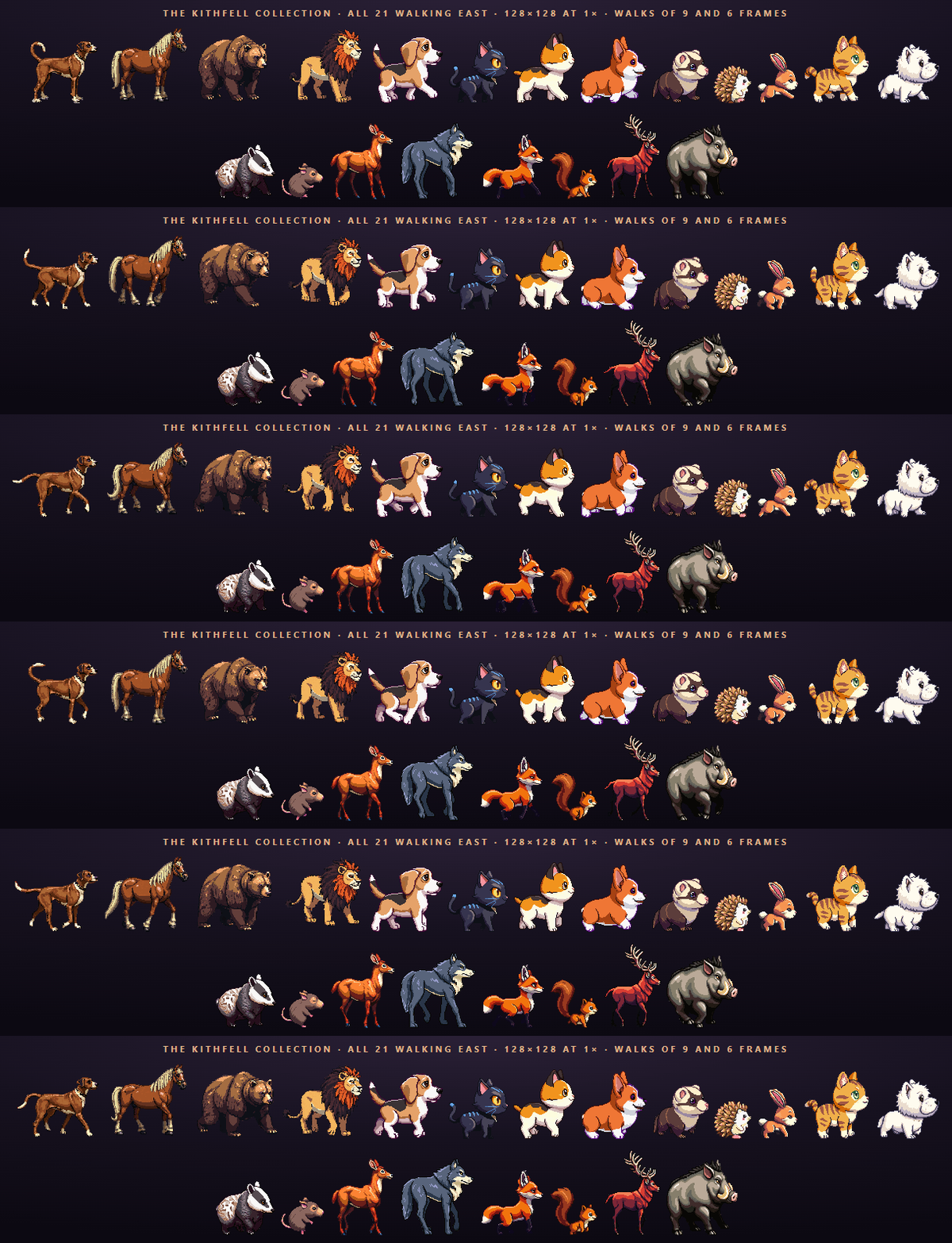
It ships one sheet per animation, frames.json with every frame rectangle, Godot 4 SpriteFrames and RPG Maker sheets.
AI disclosure: the sprites were generated with AI tools.
$11.99 on itch. Bought separately, the three packs list at $20.97, or $14.67 while their 30% sale runs to 20 October.
itch.io Community » Creativity & Art » Music & Audio · Created a new topic Creature Vocal Forge: 12 monsters, each with idle, alert, attack, hurt, death and a special
Creature Vocal Forge is 120 creature voice sound effects. There are 12 monsters, and every one ships the same six states: idle, alert, attack, hurt, death and a special. Each creature comes from one synthesised throat, so its attack and its death sound like the same animal, and your state machine can map one state to one file name across the whole bestiary.
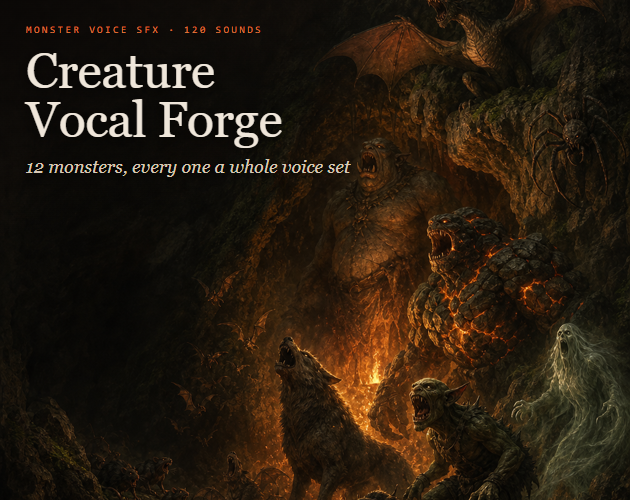
Everything is synthesised from code, so there is no sample licence behind it. Royalty free, commercial use, no attribution required. WAV and OGG, and there is a free demo to hear first.
AI disclosure: the code that makes the sounds was written with AI tools.
$11.99 on itch: https://csaf.itch.io/creature-vocal-forge-monster-voice-sound-effects